Systematic Investment Plans continue to attract millions of investors despite market volatility, highlighting the growing preference for disciplined wealth creation.
Monthly SIP inflows remain one of the strongest pillars supporting India’s mutual fund industry.
Highlights
- SIP investments continue to witness strong investor participation.
- Monthly inflows remain near record levels despite market fluctuations.
- More investors are choosing SIPs for long-term wealth creation.
- Rupee-cost averaging helps reduce the impact of market volatility.
- Financial experts recommend staying invested for long-term goals.
- Young investors are driving the next phase of SIP growth.
Systematic Investment Plans (SIPs) continue to emerge as one of the most preferred investment options for Indian retail investors, with monthly contributions remaining strong despite volatility in the stock market.
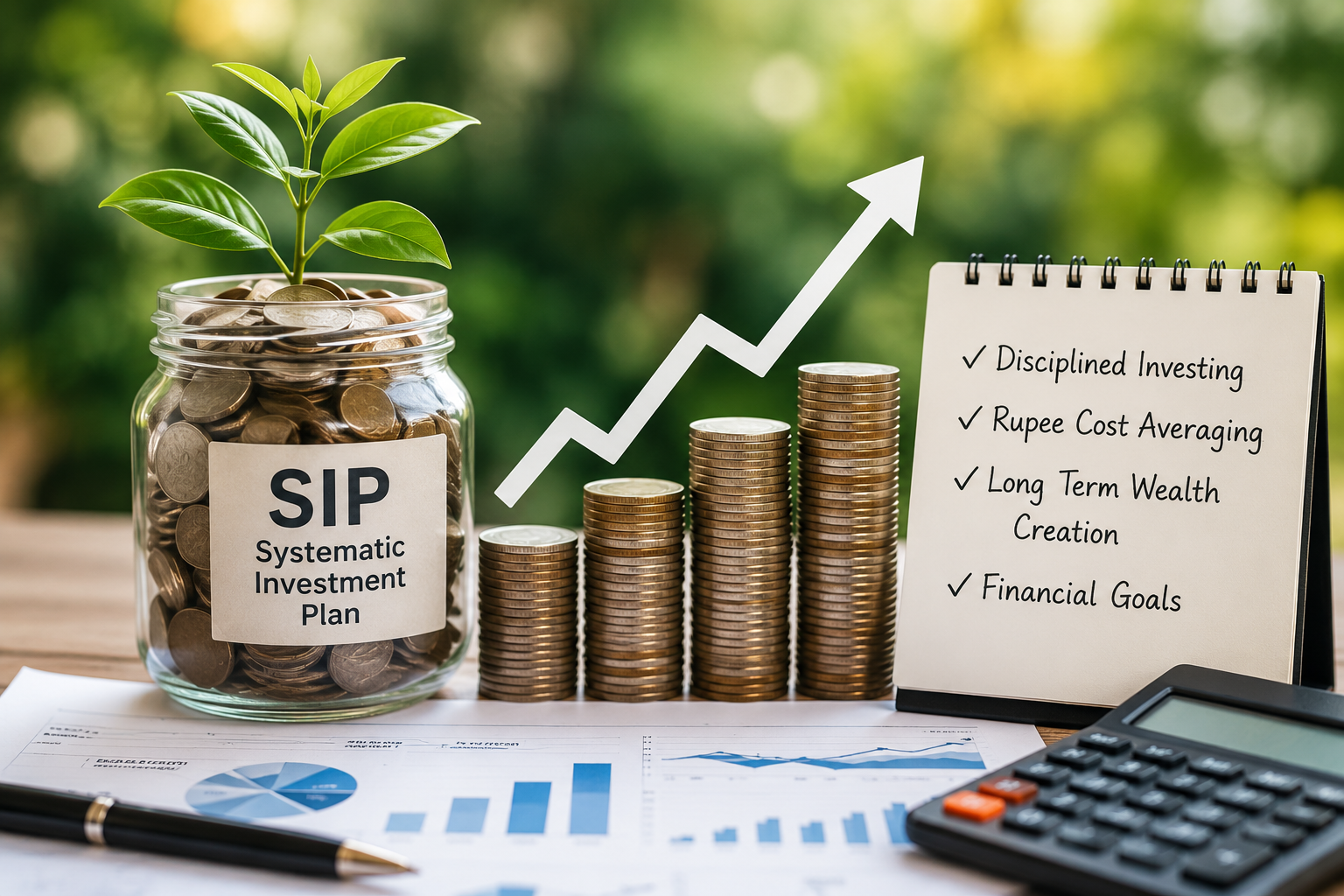
Financial planners say SIPs have become the backbone of long-term investing because they encourage disciplined savings and reduce the need to time the market. Instead of investing a lump sum, investors contribute a fixed amount every month, allowing them to buy more units when markets fall and fewer when markets rise. This strategy, known as rupee-cost averaging, helps lower the average cost of investment over time.
The growing awareness of financial planning, rising digital adoption, and easy access to mutual fund platforms have encouraged more first-time investors to start SIPs. Industry experts believe younger investors are increasingly using SIPs to build wealth for goals such as retirement, children’s education, and buying a home.
Experts also advise investors not to stop or pause SIPs during market corrections. Historically, periods of market weakness have often provided opportunities to accumulate more mutual fund units at lower prices, benefiting long-term investors when markets recover.
With India’s mutual fund industry continuing to expand and household participation in equity markets rising, SIPs are expected to remain a key driver of retail investments in the coming years.