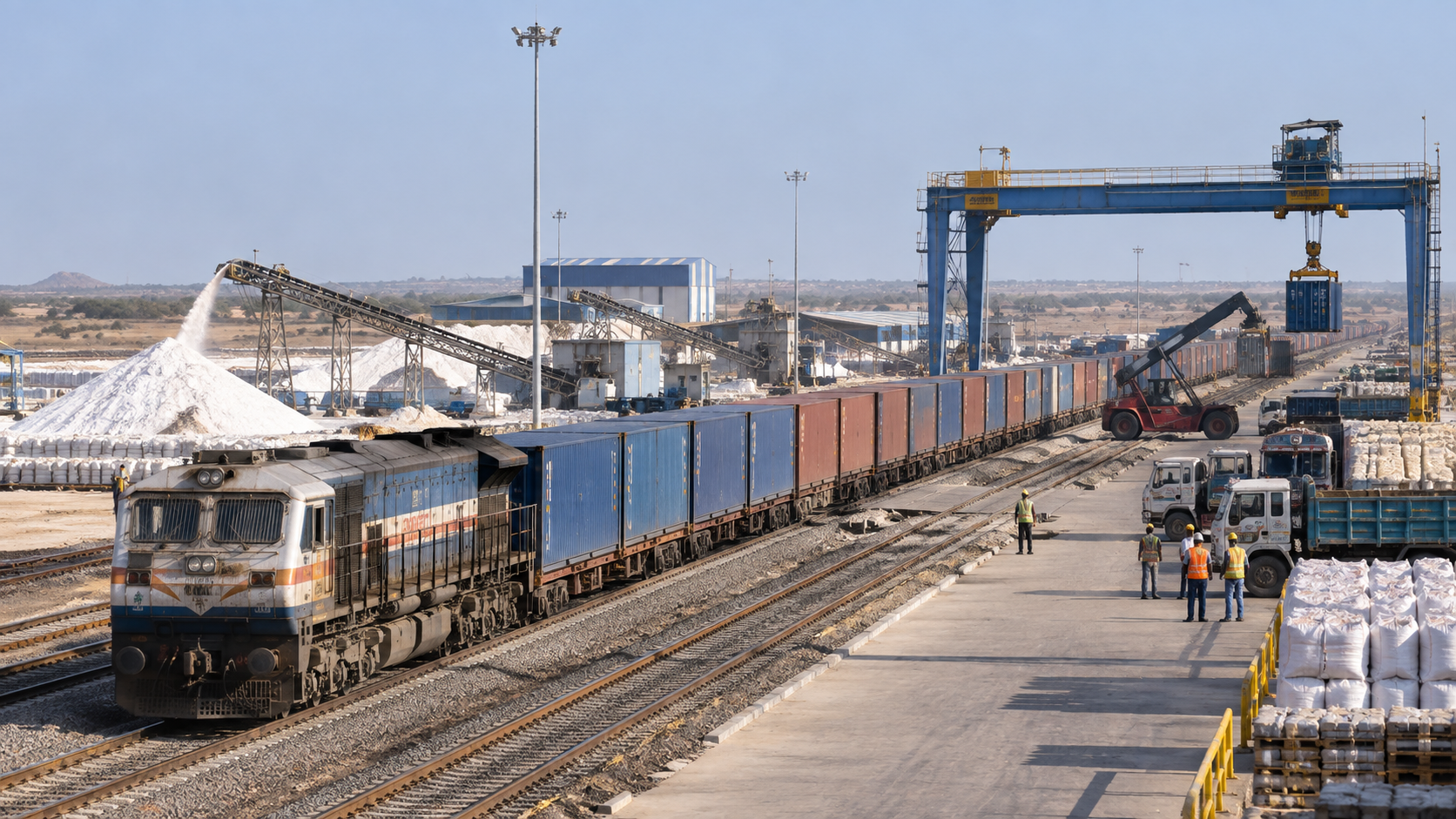
Tariffs: race to the bottom or passing fad?

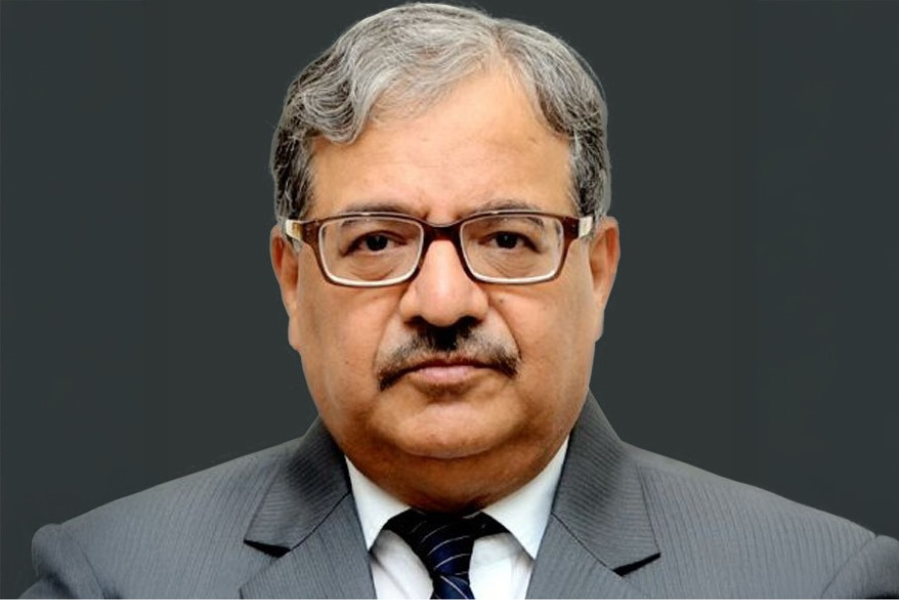
Former Vice Chancellor of IIFT, Dr. Manoj Pant, analyzes the strategic implications of US tariff actions, arguing they serve as negotiation tactics rather than a full-scale trade war. He highlights the potential weakening of the WTO and the growing shift toward bilateral agreements.

Dr. Pant discusses how tariffs could accelerate the China+1 strategy, creating opportunities for India if it addresses investment and regulatory challenges. He emphasizes prioritizing services in trade negotiations while cautioning against the risks of reciprocal tariffs and product dumping. To counter US protectionism, he identifies Africa, ASEAN, and Latin America as key trade diversification targets.

Tariffs

IBT: How do you see the current trade tensions due to US tariff actions playing out, and what strategic gains might the US seek to achieve through this approach?

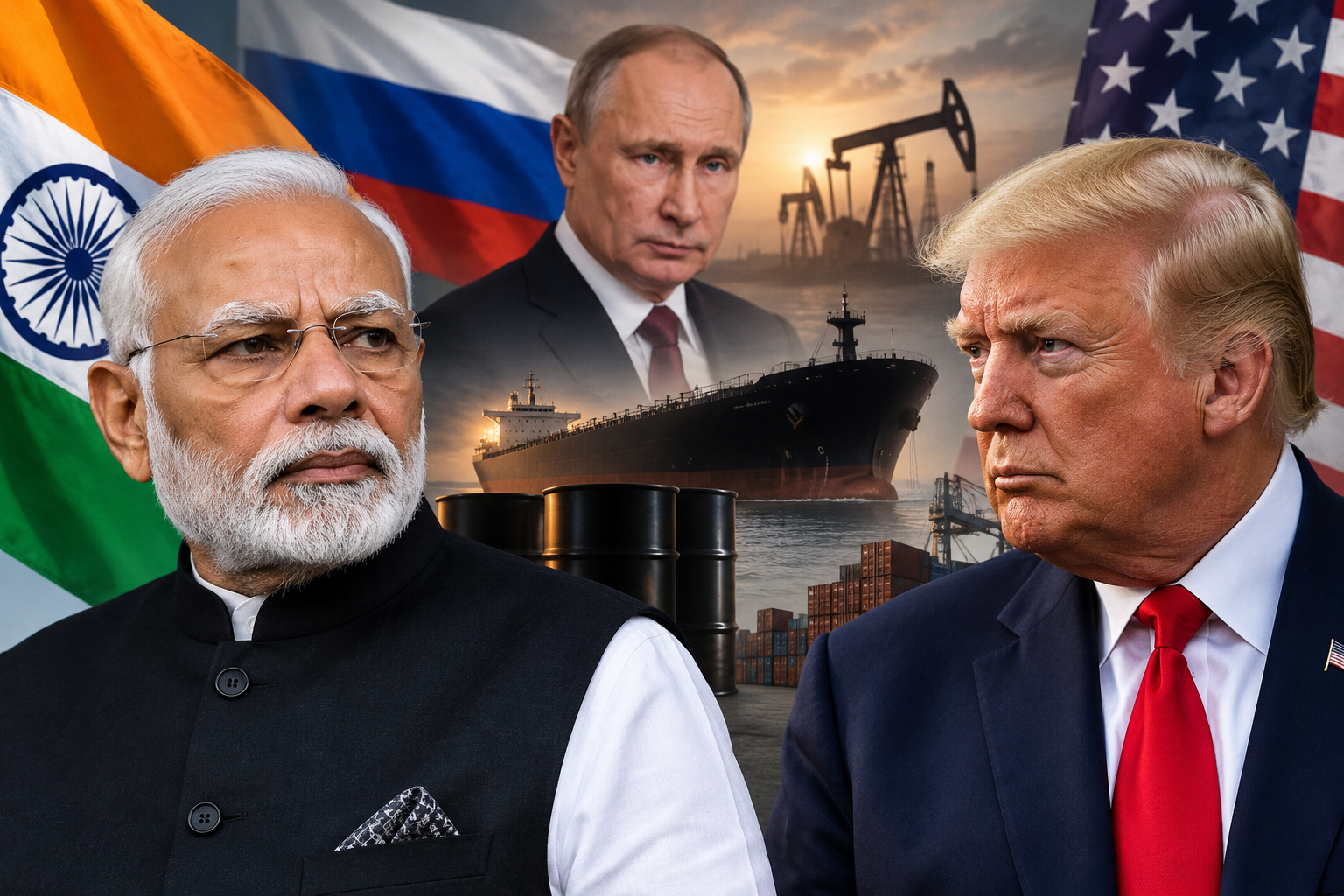
Dr. Manoj Pant: The current trade tensions arising from US tariff actions can be interpreted as a strategic manoeuvre rather than an outright trade war. Former President Trump has consistently framed trade deficits as a major economic issue and is once again leveraging US demand as a bargaining tool. While many global markets have historically depended on access to the U.S. economy, the landscape has since shifted.

Although tariffs are frequently justified on national security grounds, this approach is not new. Similar tactics were employed during the 2016 trade disputes with Mexico and China but were soon abandoned after securing favourable deals for the US Rather than signalling a full-scale trade war, these actions appear to be part of a broader negotiation strategy aimed at reshaping trade terms in America’s favour.

However, the economic consequences of sustained tariffs will not be one-sided; rising costs are likely to disproportionately affect middle-class consumers in the US Additionally, with the country’s heavy reliance on debt, its economic manoeuvrability remains constrained. Should trade tensions escalate further, global markets may witness a shift towards alternative alliances, potentially diminishing the US’s ability to dictate terms unilaterally.

IBT: What implications do these trade tensions have for the multilateral trading framework developed under WTO over the past three decades, and how might they reshape global trade governance?

Dr. Manoj Pant: While the original intent of the US was to establish the International Trade Organization (ITO) to oversee global trade, the WTO ultimately took on this role. Over time, the US has often been critical of the WTO’s constraints on unilateral action and has increasingly sought to bypass multilateral mechanisms in favour of direct economic leverage.

Today, the global economic landscape has evolved, with many countries diversifying their trade relationships and reducing their reliance on the US market. The risk of a “race to the bottom” remains, where escalating tariffs could lead to economic stagnation rather than strategic gains. If sustained, these disputes may accelerate a shift away from multilateral trade governance, further weakening the WTO’s role and making regional and bilateral trade agreements more dominant.

IBT: To what extent could the imposition of tariffs accelerate the China+1 strategy, and how might India benefit from this shift in global supply chains?

Dr. Manoj Pant: The imposition of tariffs, particularly in the context of escalating trade tensions between the US and China, could accelerate the China+1 strategy, wherein companies seek to diversify their supply chains beyond China. This shift is already underway as part of a broader realignment in global manufacturing, often framed as an “economic cold war.”

For India, the key to capitalizing on this shift lies in addressing investment bottlenecks and creating a more conducive environment for large-scale manufacturing. If even 10% of the trade currently routed through China is redirected to India, it could translate into substantial economic gains. However, India is unlikely to fully replace China as the world’s manufacturing hub. Instead, its strategic focus should be on specific high-potential sectors such as electronics, office equipment, and automobiles.

Success in this transition will depend on India’s ability to implement structural reforms, enhance infrastructure, and streamline regulatory processes. India must actively position itself as an attractive alternative, ensuring that companies see it not just as a backup to China but as a long-term manufacturing and investment destination in its own right.

IBT: What should be India’s key priority sectors and negotiating stance in the proposed Bilateral Trade Agreement (BTA) with the US to ensure favourable outcomes for its industries?

Dr. Manoj Pant: India’s negotiating strategy should focus on securing long-term gains in services while allowing tariffs on goods to naturally decline without making them a focal point of discussions. Given that services trade, particularly in sectors like IT, finance, and healthcare, is a key strength for India, the priority should be on locking in favourable terms for market access, regulatory recognition, and professional mobility.

A strategic silence on goods tariffs would allow India to benefit from any natural reductions without expending negotiating capital. Instead, India should concentrate on securing commitments in services, ensuring that it gains durable advantages in areas where regulatory barriers are more significant. By allowing the US to remain preoccupied with goods trade, India can subtly shape the agreement to reinforce its position as a global services leader while ensuring a stable and predictable trade framework for the future.

IBT: Which Indian industries are most exposed to the risk of reciprocal tariffs, and how might such measures influence their long-term competitiveness in the US market?

Dr. Manoj Pant: Industries such as steel, aluminium, textiles, and auto components are vulnerable to reciprocal tariffs. Such measures could increase costs for Indian exporters, making them less competitive in the US market. While China understands the necessity of measured responses, India must also be careful not to draw undue attention to its vulnerabilities. Instead, Indian exporters must focus on enhancing product quality, diversifying their export destinations, and investing in technology to improve efficiency.

IBT: There is a fear that the imposition of tariffs by the US could lead to the dumping of products into markets like India. Please share your views and possible sectors that could be impacted.

Dr. Manoj Pant: The immediate concern is the dumping of surplus goods into South Asian markets, including India. However, implementing anti-dumping duties is relatively straightforward for a country like India. Dumping occurs when excess inventory—unable to find a market in the US—is redirected at lower prices elsewhere.

India could see an influx of cheap imports in sectors like steel, electronics, and chemicals. However, the effectiveness of anti-dumping measures depends on how well India can enforce them without disrupting its own supply chains. Some industries, such as pharmaceuticals (e.g., insulin production), may not be easily safeguarded through anti-dumping measures alone. Hence, a balance must be struck between protecting domestic manufacturers and maintaining access to critical imports.

IBT: Trade diversification is considered a very potent strategy for India to minimize the impact of Trump tariffs. Which global regions present viable alternatives for India and why?

Dr. Manoj Pant: India has already established strong trade ties with the EU and the Middle East, which has been instrumental in reducing dependence on the US Moving forward, Africa offers immense untapped potential and should be a key focus. With a growing consumer base and expanding industries, it presents opportunities in pharmaceuticals, automobiles, agriculture, and digital services.

By strengthening trade agreements, investing in infrastructure, and expanding financial partnerships, India can solidify Africa as a long-term market. This will ensure greater trade resilience and reduce vulnerability to shifts in US policy. Diversifying exports towards ASEAN, Latin America, and Africa will help India navigate the risks posed by an increasingly protectionist global trade environment.



Previous Post
Next Post

Most Recent Posts

  • All Post
  • 8th Pay Commission
  • Aadhar
  • Aditya Birla Capital
  • Advertising Standards
  • Affordable Housing
  • Agriculture
  • Agriculture & Food
  • AI in Healthcare
  • AI Technology
  • Airlines
  • alcohol industry
  • Android
  • APEDA
  • Apple
  • Artificial Intelligence
  • Ashwini Vaishnaw
  • Asset Management
  • Atmanirbhar Bharat
  • Audio Devices
  • Audio Products
  • Auto Industry
  • Automobile
  • Automobiles
  • Automotive
  • Automotive Industry
  • Aviation
  • Bain Healthcare Report 2026
  • Bank
  • Banking
  • Banking Technology
  • Battery Industry
  • Beverage Industry
  • Beverages
  • Bihar
  • biotechnology
  • Bitcoin
  • BMW Group India
  • Brand Insight
  • BRICS
  • Bullion Market
  • Business
  • Business & Economy
  • Business & Trade
  • Business Leadership Post COVID-19
  • Business News
  • Business Terminology
  • Business Utilities
  • Buyback
  • Capital Goods
  • Capital Markets
  • CarsBusiness
  • CBIC
  • CCI
  • Child Investment
  • China
  • China technology news
  • Citizen Services
  • Clean Energy
  • Clean Technology
  • Cloud Computing
  • coal
  • Commerce
  • Commerce and Industry
  • Commercial Real Estate
  • Commercial Vehicles
  • Commodities
  • Communications
  • Companies
  • Competition Law
  • Compliance
  • Computer Accessories
  • connected cars
  • Consumer Affairs
  • Consumer Electronics
  • Consumer Finance
  • Consumer Goods
  • Consumer Health
  • Consumer Markets
  • Consumer News
  • Consumer Protection,
  • Consumer Rights
  • Consumer Spending
  • Consumer Trends
  • Content Creation
  • Copper
  • Corporate
  • corporate affairs
  • Corporate Earnings
  • Corporate Governance
  • Corporate News
  • Corporate Social Responsibility
  • Cost of Living
  • Country
  • CRED
  • Credit Cards
  • CREDIT RATING
  • Crude Oil
  • Cryptocurrency
  • CSR
  • Culture
  • Currency
  • Customs Duty
  • Cyber Security
  • Cybersecurity
  • Dairy Industry
  • Data & Analytics
  • Defence
  • Delhi Government
  • Delhi-NCR
  • Demographics
  • Derivatives
  • DGCA
  • DGFT
  • DigiLocker
  • Digital Assets
  • Digital Economy
  • Digital Health India
  • Digital Identity
  • Digital India
  • Digital Infrastructure
  • Digital passport for robots
  • Digital Payments
  • Digital Platforms
  • digital services
  • Diplomacy
  • Dixon Technologies
  • DPIIT
  • E Commerce
  • E-commerce
  • E-Governance
  • Ease of Doing Business
  • Economic Growth
  • Economy
  • Edible Oil Industry
  • Editor Choice
  • EdTech
  • Education
  • Electric Mobility
  • Electric Vehicles
  • Electronics
  • Employment
  • ENERGY
  • Engineering
  • Entertainment
  • Environment
  • EPFO
  • Ethanol Economy
  • EV Industry
  • EV Technology
  • Exports
  • EXTER
  • Farmers
  • Fashion
  • FINANCE
  • Finance Ministry,
  • Financial Marketing
  • Financial Markets
  • Financial News
  • Financial Planning
  • Financial Results
  • Financial Services
  • Fintech
  • FnTech
  • Food & Beverage
  • Food & Beverages
  • Food Exports
  • Food Industry
  • Food Manufacturing
  • Food Processing
  • Food Regulations
  • food safety
  • Foreign Exchange
  • Foreign Investment
  • Foreign Policy
  • Foreign Trade
  • Forex Reserves
  • fssai
  • FTA
  • Fuel
  • Fuel Prices
  • Future Energy
  • Gadgets
  • Gadgets & Apps
  • Gaming
  • GDP
  • Generative AI Healthcare
  • Geopolitics
  • GI Products
  • Global Brand Alliance
  • Global Economy
  • Global Markets
  • Global Politics
  • Global Tech
  • Global Trade Policy
  • Global Trends\
  • Gold
  • Gold Market
  • Gold Prices
  • Gols & Silver
  • Government
  • Government & Policy
  • Government Affairs
  • Government Bonds
  • Government Data
  • Government Initiatives
  • Government Policy
  • Government Policy & Regulation
  • Government Scheme
  • Government Schemes
  • Government Services
  • Green Energy
  • Green Mobility
  • GroupGlobal
  • GST
  • GST Council
  • GST Counsil
  • Hair Care
  • Hardware
  • Hatchback Segment
  • Health Supplements,
  • Horticulture
  • Housing
  • HSBC
  • Human Resources
  • humanoid robot market
  • Hyundai
  • IBT Infographics
  • iinvestment
  • Imports & Exports
  • Income Tax
  • India
  • India Auto Market
  • India Business News
  • India Inc
  • India News
  • India Retail
  • India-Canada Relations
  • India-China
  • India-Japan Relations
  • India-Russia Relations
  • India-South Korea Relations
  • India-US Relations
  • Indian Economy
  • Indian Navy
  • Industrial Pollution
  • Inflation
  • Infra
  • Infrastructure
  • Innovation
  • Instagram
  • Insurance
  • international
  • International Affairs
  • International Cooperation
  • International Relations
  • International Trade
  • Internet & Connectivity
  • Internet Policy
  • Internet Regulation
  • Interview
  • Investing
  • Investment News
  • Investments
  • iPhone News
  • IPO
  • IT Industry
  • Jewellery
  • Jio Platforms
  • JioBlackRock
  • Jobs & Careers
  • Joint Ventures
  • Kim Kardashian
  • Labour
  • Latest
  • Launches
  • Leadership
  • Leaderspeak
  • Lending
  • Lifestyle
  • Lifestyle Tech
  • List
  • Loans & Credit
  • Local News
  • Logistics
  • LPG
  • Luxury Cars
  • Machinery
  • Macroeconomics
  • Macroeconomy
  • maharashtra
  • Maharashtra News
  • Make in India
  • Makhana
  • Manufacturing
  • Market Outlook
  • Markets
  • Maruti Suzuki
  • Mergers & Acquisitions
  • Meta
  • Microsoft
  • Middle East
  • Mobile Apps
  • Mobile Industry
  • Mobile Launch
  • Mobility
  • Monetary Policy
  • Monsoon
  • MoSPI
  • MSME
  • Mutual Funds
  • Nano Tech
  • National
  • National news
  • NEET 2026
  • NewsElectric
  • NewsTata
  • NPCI
  • NPS Vatsalya
  • Office Market
  • Oil & Gas
  • Oil and Gas
  • Others
  • OTT
  • Packaged Drinking Water
  • Packaged Foods
  • Packaging Industry
  • Packaging Innovation
  • Passenger Vehicles
  • Paytm
  • Pension & Retirement
  • Pensions
  • Personal Care
  • Personal Finance
  • Perspectives
  • Petroleum
  • PFRDA
  • Pharmaceuticals
  • PM Modi
  • PMAY-G
  • PMAY-U
  • PMAY,
  • PMI
  • policy
  • Population
  • PORTS
  • Positive News
  • PPF
  • Precious Metals
  • Pricing
  • Product Labeling
  • Product Labelling
  • Product Launch
  • Property Market
  • PSU
  • PSU Banks
  • Public Health
  • Public Policy
  • Public Safety
  • Public Sector
  • Public Services
  • Public Welfare
  • Quarterly Results
  • Railways
  • Rajasthan
  • Raksha Bandhan
  • Raksha Bandhan Gifts
  • Rare Earths
  • RBI
  • Real Estate & Realty Sector
  • Recycling
  • Regulation
  • Regulatory Action
  • Regulatory Affairs
  • Regulatory Updates
  • REIT
  • Reliance Industries
  • Renewable Energy
  • RERA
  • Research
  • Retail
  • Retirement Planning
  • Road Infrastructure
  • Robotics & Automation
  • robotics standards
  • Rupee
  • Rural Development
  • Rural Housing
  • SAIL
  • Salaries
  • Samsung
  • Savings
  • Science & Technology
  • Sebi
  • Security
  • Semiconductor
  • Services Sector,
  • SHIPPING
  • Silver Prices
  • Skill Development
  • Skills Development
  • Small Business
  • Smart Devices
  • Smart Home
  • Smart Mobility
  • Smartphones
  • Social Impact
  • Social Media
  • Society
  • Software Development
  • Solar Energy
  • Space Technology
  • Startups
  • Statistics
  • Steel Industry
  • Stock Market
  • stocks
  • streaming
  • Sugar Industry
  • Sukanya Samriddhi Yojana
  • Sustainability
  • SUV
  • Tamil Nadu Pollution Board
  • Tariffs
  • Tariffs & Duties
  • Tata Group
  • Tata Motors
  • Tata Sons
  • Tax Planning
  • Taxation
  • Tech
  • Tech Branding
  • Technology
  • Telecom & Technology
  • Telecom Industry
  • Top Story
  • Tourism
  • Trade
  • Trade Agreement
  • Trade Basket
  • Trade Partner
  • Trade Policy,
  • Transportation
  • Travel
  • Trending
  • Two-Wheelers
  • UIDAI
  • UPI
  • Urban Development
  • US-Iran Conflict Economic Impact
  • US–India Relations
  • Uttar Pradesh
  • VehiclesLuxury
  • vivo
  • Wastewater Management
  • Water Quality,
  • Wealth Management
  • Wearables
  • Wellness
  • WhatsApp
  • Wheat
  • Workplace
  • World
  • World News
  • Worldview
  • Yamaha
  • zLead Slider
    •   Back
    • Healthcare
    • Auto
    • Fmcg
    • Hospitality
    •   Back
    • Cash Crop
    • Organic
    • New Era Agri
    • Processed Food
    •   Back
    • Construction
    • Power
    • Mining
    • Telecom
    •   Back
    • ENERGY
    •   Back
    • Export/Import
    • Trade Deal
    • Trade Fair
    •   Back
    • Policies
    • Industry
    • Finance
    •   Back
    • Others technology
    • Mobile phone
    • Gadgets
    •   Back
    • Manufacturing
    • Services
    • Startup

India Business & Trade is a national media platform decoding the ideas, decisions and shifts shaping India’s growth story—across plicy, business, global commerce and a rapidly evolving marketplace.

Reach Us

India Business & Trade
M-62, Saket, New Delhi-110064, India

Subscribe To Newsletter

Stay ahead in the dynamic world of trade and commerce with India Business & Trade’s weekly newsletter.

Copyright © 2026 India Business & Trade. All Rights Reserved


Fatal error: Uncaught TypeError: Unsupported operand types: string * int in /var/www/sites/indiabusinesstrade.in/wp-content/plugins/royal-elementor-addons/admin/includes/wpr-templates-modal-popups.php:192 Stack trace: #0 /var/www/sites/indiabusinesstrade.in/wp-content/plugins/royal-elementor-addons/admin/includes/wpr-templates-modal-popups.php(128): WprAddons\Admin\Includes\WPR_Templates_Modal_Popups::get_template_settings() #1 /var/www/sites/indiabusinesstrade.in/wp-content/plugins/royal-elementor-addons/admin/includes/wpr-templates-modal-popups.php(106): WprAddons\Admin\Includes\WPR_Templates_Modal_Popups::render_popup_content() #2 /var/www/sites/indiabusinesstrade.in/wp-content/plugins/royal-elementor-addons/admin/includes/wpr-templates-modal-popups.php(64): WprAddons\Admin\Includes\WPR_Templates_Modal_Popups::display_popups_by_location() #3 /var/www/sites/indiabusinesstrade.in/wp-includes/class-wp-hook.php(341): WprAddons\Admin\Includes\WPR_Templates_Modal_Popups->render_popups() #4 /var/www/sites/indiabusinesstrade.in/wp-includes/class-wp-hook.php(365): WP_Hook->apply_filters() #5 /var/www/sites/indiabusinesstrade.in/wp-includes/plugin.php(522): WP_Hook->do_action() #6 /var/www/sites/indiabusinesstrade.in/wp-includes/general-template.php(3224): do_action() #7 /var/www/sites/indiabusinesstrade.in/wp-content/plugins/royal-elementor-addons/admin/templates/wpr-canvas.php(64): wp_footer() #8 /var/www/sites/indiabusinesstrade.in/wp-includes/template-loader.php(132): include('...') #9 /var/www/sites/indiabusinesstrade.in/wp-blog-header.php(19): require_once('...') #10 /var/www/sites/indiabusinesstrade.in/index.php(17): require('...') #11 {main} thrown in /var/www/sites/indiabusinesstrade.in/wp-content/plugins/royal-elementor-addons/admin/includes/wpr-templates-modal-popups.php on line 192