Traditional Flexible Manufacturing and Exports from India

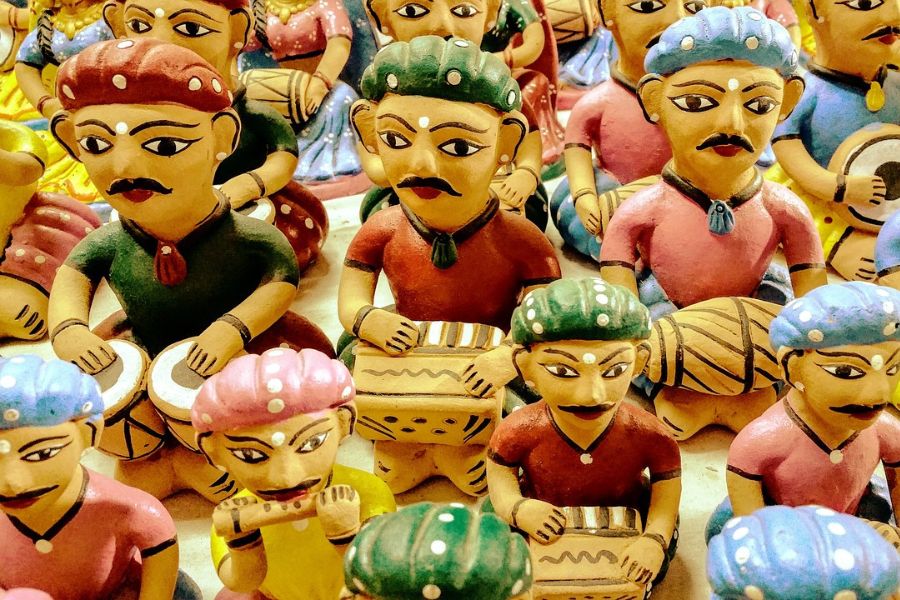
The Mughal Empire created a class of rulers, nobles, mansabdars and other countries that increased the demand of luxury handicrafts. The arrival of European companies expanded the demand for handicrafts globally. These objective conditions facilitated the birth and expansion of traditional flexible manufacturing in India, a phenomenon that has made a comeback in the present era, with even companies like Amazon and Flipkart adopting this method.

  • India was an important manufacturing nation of the world, much before the emergence of Industrial revolution in Britain. According to the economic historian Aurigns Maddison, India’s share in total slab output of manufactured goods was around 24% upto 1750.
  • The production and exports of Indian handicraft increased substantially during fifteenth century in India, where there emerged a peculiar form of organization of production of handicrafts.
  • Merchants aggregated the household workshops by providing to the artisans working capital or raw materials and means of their subsistence in lieu of a contract that craftsmen will supply their output of handicrafts to the merchants.
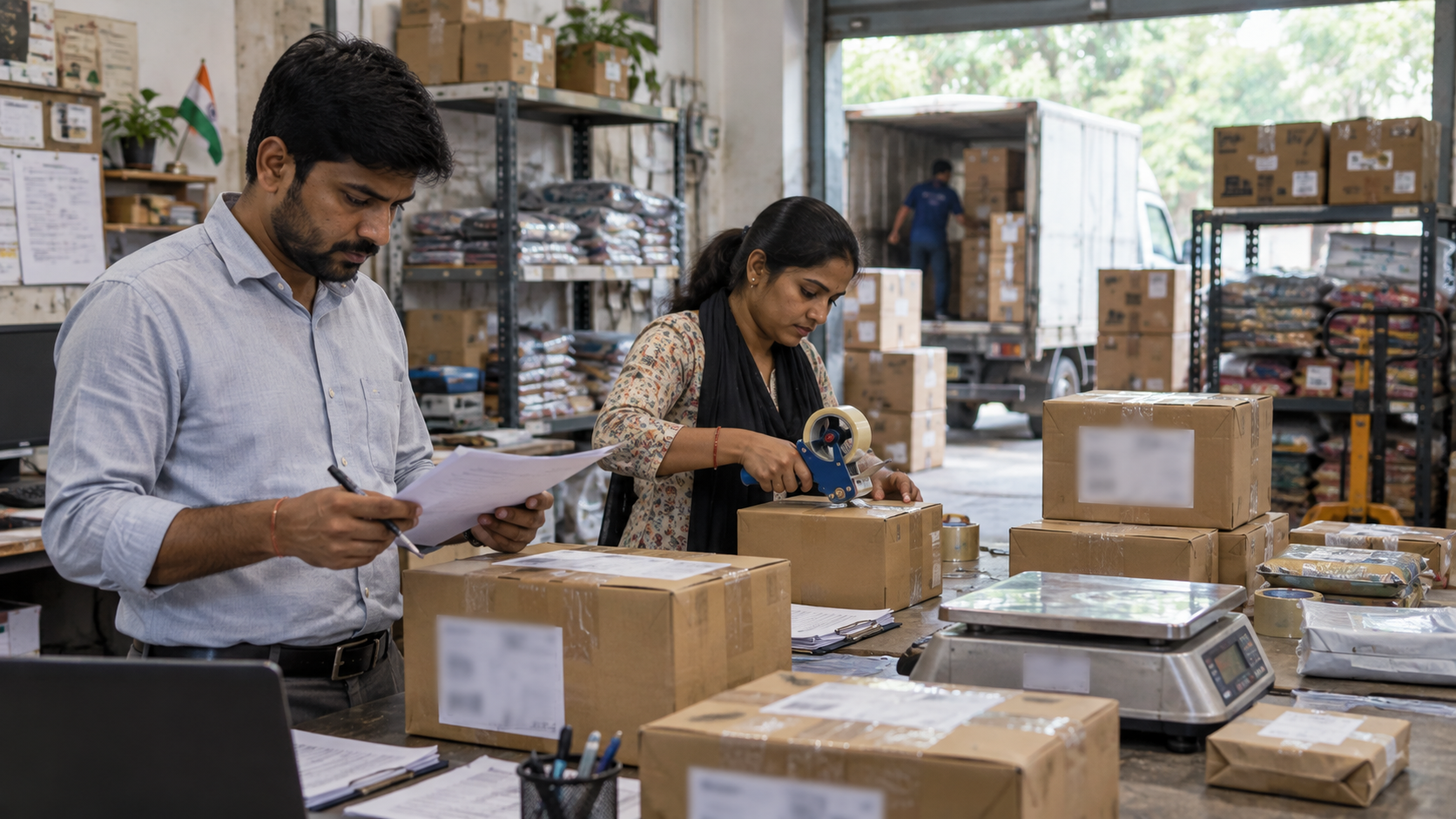
  • This form of organization of production and distribution has again emerged in the form of several companies that are working as aggregators in supplying products like medicines, grocery items, fruits and vegetables. Companies like Amazon, Flipkart are also following this format.
Flexible manufacturing_TPCI

Image Credit: Shutterstock 

In the literature on economic development, the dominance of manufacturing sector in terms of its contribution to national income and employment and economic development are considered as coterminous. Readers may be surprised to know that the India was an important manufacturing nation of the world, much before the emergence of Industrial revolution in Britain. According to the economic historian Angus Madisson, India’s share in total slab output of manufactured goods was around 24% upto 1750. This achievement of the Indian economy was made possible when its traditional crafts and its merchant class developed a nexus. This nexus gave birth to a form of organization of handicrafts that I have described as traditional flexible manufacturing. In this article, I intend to narrate this phenomenon and explain how it provided competitive advantage to Indian manufacturing.

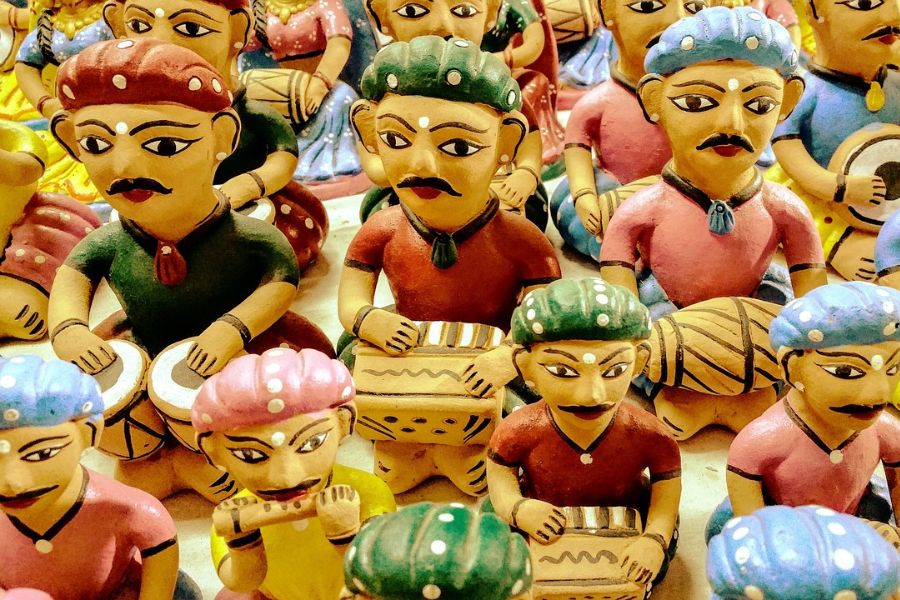
The word manufacturing has been formed from two Latin words, ‘manu’ and ‘facer’. Here Manu means ‘manual’ or hand and facer means ‘to make’. This shows that manufacturing in its earlier forms was represented by handicrafts. This form of manufacturing existed in India since the dawn of civilization. Our gods and goddesses wear garments, jewelry, carry weapons, were riding chariots and people used metallic utensils in their households. The products made by Indian craftsmen were exported to different parts of the world. This fact is known from the writing Greek and Roman historians.

The production and exports of Indian handicraft increased substantially during fifteenth century in India, where there emerged a peculiar form of organization of production of handicrafts. To this form of organization of production I have termed as traditional flexible manufacturing. This happened because at this point in time, two powerful forces impacted the Indian economy. The entry of European trading companies after the discovery of the sea route to India by Vasco da Gama and the entry of Mughals by land route after the 1st battle of Panipat.

The Mughal Empire created a class of rulers, nobles, mansabdars and other countries that increased the demand of luxury handicrafts. The arrival of European companies expanded the demand for handicrafts globally. These objective conditions facilitated the birth and expansion of traditional flexible manufacturing. In the new circumstances, when demand for handicrafts had increased significantly, there was a need to increase the scale of production. However, at that point in time, craftsmen did not have resources to increase the scale of production in their household workshops.

Under these conditions, where merchants had the resources and scattered craftsman producing handicrafts did not have enough resources, merchants evolved their networks of artisanal household workshop through putting out system. In this form of organization of production, technology and scale of production did not change at the household workshop level. Merchants aggregated the household workshops by providing to the artisans working capital or raw materials and means of their subsistence in lieu of a contract that craftsmen will supply their output of handicrafts to the merchants.

In this way large scale merchants established large scale marketing networks by aggregating small household workshops of craftsmen. The merchants earned their profits by buying materials in large quantities to supply it to the craftsmen by taking the advantage of economies of bulk purchase. Craftsmen benefitted in this system by receiving their subsistence needs and guarantee of the sale of their products. However, this system was providing more advantages to traders.

The separation of functions between craftsmen and merchants provided several kinds of flexibilities to the system. Merchants enjoyed the flexibility to expand or contract the level of output by adjusting their network according to the fluctuations in the market and take the advantage of economies of scale by expanding their network. The system also provided to the merchants flexibility to supply a variety of products i.e. economies of scope, customized according to the needs of different sets of customers. Since the form of organization of production provided several kinds of flexibility while using traditional handicraft form of manufacturing. I have defined it as traditional flexible manufacturing. The readers will be surprised to know that these flexibilities are also embedded in the Modern Flexible Manufacturing

The traditional flexible manufacturing system of production created a household workshop economy based on vertically disintegrated inter-industry and intra-industry specialized and geographically dispersed production units. These dispersed units of production were localized in clusters in the specific areas. This is in fact the philosophy behind forming district level clusters of units manufacturing a product. Such clusters had emerged in the manufacturing of a variety of products at diverse locations throughout India. Such clusters existed at Dacca, Murshidabad, Kasini bazar, Sinargaon, Patna and Banaras, Balasore and Assam in eastern India. Surat, Broach, Cambay, Patan, Champaner, Navsari, Gandevi and Ahmedabad, Baroda, Jaipur and other towns of Rajasthan in Western India. Agra, Aligarh, Gwalior, Mozadabad, Lucknow, Firozabad in central India; Amritsar, Ludhiana, Kashmir in North India and Malabar Coast in south India including Kanchipur and Madurai.

Traditional flexible manufacturing practices were widespread across several manufacturing industries. The most important manufactured item that was globally traded, that was produced by it was textiles. India produced cotton, flex, jute and woolen textiles. Some of them were malmal bhar produced at Dacca and Arani muslin produced in South India. Different areas of Bengal were important centres of manufacturing silk textiles and velvet satin, taftas and mugga silk. Woollen textiles were manufactured in Kashmir, Ludhiana and Amritsar.

Daniel Defoe wrote in 1708 that the “Indian textiles crept into our houses, our closets and bed chambers, curtain, cushions, chairs and last beds themselves were nothing by Indian stuff”. Apart from textiles, the manufacturing units also produced weapons like swords, lances and several kinds of dagger and guns. There were also manufacturing units that specialized in the production of silver, bronze and copper wares for households. One can keep on narrating the names of several products that were produced by traditional flexible manufacturing and were globally traded.

India ceased to be a manufacturing nation and the traditional flexible manufacturing began to decline after 1750. The crafts based manufacturing declined in India without being replaced by the modern manufacturing that used machines. This episode has been described by the historian of the Indian economy as de-industrialization.

This was one of the important agendas in the mind of Mahatma Gandhi to revive these manufacturing units in India. Gandhi used one of the important traditional technologies that were used by the traditional flexible manufacturing, charkha as a symbol of India’s independence movement. It was the efforts of Gandhi that led Indian government to constitute Khadi and Village Industry Commission to provide support to the traditional flexible manufacturing.

This is also important to mention here that this form of organization of production and distribution has again emerged in the form of several companies that are working as aggregators in supplying products like medicines, grocery items, fruits and vegetables. Companies like Amazon and Flipkart are also following this format. Modern retailing is also depending on this form of organization by roping in their network several small and big producers to supply their products around the country. 

________________________________________________________________________________

The author is former Professor at FMS and IMI. Views expressed are personal.
Previous Post
Next Post

Most Recent Posts

  • All Post
  • 8th Pay Commission
  • Aadhar
  • Aditya Birla Capital
  • Advertising Standards
  • Affordable Housing
  • Agriculture
  • Agriculture & Food
  • AI in Healthcare
  • AI Technology
  • Airlines
  • alcohol industry
  • Android
  • APEDA
  • Apple
  • Artificial Intelligence
  • Ashwini Vaishnaw
  • Asset Management
  • Atmanirbhar Bharat
  • Audio Devices
  • Audio Products
  • Auto Industry
  • Automobile
  • Automobiles
  • Automotive
  • Automotive Industry
  • Aviation
  • Bain Healthcare Report 2026
  • Bank
  • Banking
  • Banking Technology
  • Battery Industry
  • Beverage Industry
  • Beverages
  • Bihar
  • biotechnology
  • Bitcoin
  • BMW Group India
  • Brand Insight
  • BRICS
  • Bullion Market
  • Business
  • Business & Economy
  • Business & Trade
  • Business Leadership Post COVID-19
  • Business News
  • Business Terminology
  • Business Utilities
  • Buyback
  • Capital Goods
  • Capital Markets
  • CarsBusiness
  • CBIC
  • CCI
  • Child Investment
  • China
  • China technology news
  • Citizen Services
  • Clean Energy
  • Clean Technology
  • Cloud Computing
  • coal
  • Commerce
  • Commerce and Industry
  • Commercial Real Estate
  • Commercial Vehicles
  • Commodities
  • Communications
  • Companies
  • Competition Law
  • Compliance
  • Computer Accessories
  • connected cars
  • Consumer Affairs
  • Consumer Electronics
  • Consumer Finance
  • Consumer Goods
  • Consumer Health
  • Consumer Markets
  • Consumer News
  • Consumer Protection,
  • Consumer Rights
  • Consumer Spending
  • Consumer Trends
  • Content Creation
  • Copper
  • Corporate
  • corporate affairs
  • Corporate Earnings
  • Corporate Governance
  • Corporate News
  • Corporate Social Responsibility
  • Cost of Living
  • Country
  • CRED
  • Credit Cards
  • CREDIT RATING
  • Crude Oil
  • Cryptocurrency
  • CSR
  • Culture
  • Currency
  • Customs Duty
  • Cyber Security
  • Cybersecurity
  • Dairy Industry
  • Data & Analytics
  • Defence
  • Delhi Government
  • Delhi-NCR
  • Demographics
  • Derivatives
  • DGCA
  • DGFT
  • DigiLocker
  • Digital Assets
  • Digital Economy
  • Digital Health India
  • Digital Identity
  • Digital India
  • Digital Infrastructure
  • Digital passport for robots
  • Digital Payments
  • Digital Platforms
  • digital services
  • Diplomacy
  • Dixon Technologies
  • DPIIT
  • E Commerce
  • E-commerce
  • E-Governance
  • Ease of Doing Business
  • Economic Growth
  • Economy
  • Edible Oil Industry
  • Editor Choice
  • EdTech
  • Education
  • Electric Mobility
  • Electric Vehicles
  • Electronics
  • Employment
  • ENERGY
  • Engineering
  • Entertainment
  • Environment
  • EPFO
  • Ethanol Economy
  • EV Industry
  • EV Technology
  • Exports
  • EXTER
  • Farmers
  • Fashion
  • FINANCE
  • Finance Ministry,
  • Financial Marketing
  • Financial Markets
  • Financial News
  • Financial Planning
  • Financial Results
  • Financial Services
  • Fintech
  • FnTech
  • Food & Beverage
  • Food & Beverages
  • Food Exports
  • Food Industry
  • Food Manufacturing
  • Food Processing
  • Food Regulations
  • food safety
  • Foreign Exchange
  • Foreign Investment
  • Foreign Policy
  • Foreign Trade
  • Forex Reserves
  • fssai
  • FTA
  • Fuel
  • Fuel Prices
  • Future Energy
  • Gadgets
  • Gadgets & Apps
  • Gaming
  • GDP
  • Generative AI Healthcare
  • Geopolitics
  • GI Products
  • Global Brand Alliance
  • Global Economy
  • Global Markets
  • Global Politics
  • Global Tech
  • Global Trade Policy
  • Global Trends\
  • Gold
  • Gold Market
  • Gold Prices
  • Gols & Silver
  • Government
  • Government & Policy
  • Government Affairs
  • Government Bonds
  • Government Data
  • Government Initiatives
  • Government Policy
  • Government Policy & Regulation
  • Government Scheme
  • Government Schemes
  • Government Services
  • Green Energy
  • Green Mobility
  • GroupGlobal
  • GST
  • GST Council
  • GST Counsil
  • Hair Care
  • Hardware
  • Hatchback Segment
  • Health Supplements,
  • Horticulture
  • Housing
  • HSBC
  • Human Resources
  • humanoid robot market
  • Hyundai
  • IBT Infographics
  • iinvestment
  • Imports & Exports
  • Income Tax
  • India
  • India Auto Market
  • India Business News
  • India Inc
  • India News
  • India Retail
  • India-Canada Relations
  • India-China
  • India-Japan Relations
  • India-Russia Relations
  • India-South Korea Relations
  • India-US Relations
  • Indian Economy
  • Indian Navy
  • Industrial Pollution
  • Inflation
  • Infra
  • Infrastructure
  • Innovation
  • Instagram
  • Insurance
  • international
  • International Affairs
  • International Cooperation
  • International Relations
  • International Trade
  • Internet & Connectivity
  • Internet Policy
  • Internet Regulation
  • Interview
  • Investing
  • Investment News
  • Investments
  • iPhone News
  • IPO
  • IT Industry
  • Jewellery
  • Jio Platforms
  • JioBlackRock
  • Jobs & Careers
  • Joint Ventures
  • Kim Kardashian
  • Labour
  • Latest
  • Launches
  • Leadership
  • Leaderspeak
  • Lending
  • Lifestyle
  • Lifestyle Tech
  • List
  • Loans & Credit
  • Local News
  • Logistics
  • LPG
  • Luxury Cars
  • Machinery
  • Macroeconomics
  • Macroeconomy
  • maharashtra
  • Maharashtra News
  • Make in India
  • Makhana
  • Manufacturing
  • Market Outlook
  • Markets
  • Maruti Suzuki
  • Mergers & Acquisitions
  • Meta
  • Microsoft
  • Middle East
  • Mobile Apps
  • Mobile Industry
  • Mobile Launch
  • Mobility
  • Monetary Policy
  • Monsoon
  • MoSPI
  • MSME
  • Mutual Funds
  • Nano Tech
  • National
  • National news
  • NEET 2026
  • NewsElectric
  • NewsTata
  • NPCI
  • NPS Vatsalya
  • Office Market
  • Oil & Gas
  • Oil and Gas
  • Others
  • OTT
  • Packaged Drinking Water
  • Packaged Foods
  • Packaging Industry
  • Packaging Innovation
  • Passenger Vehicles
  • Paytm
  • Pension & Retirement
  • Pensions
  • Personal Care
  • Personal Finance
  • Perspectives
  • Petroleum
  • PFRDA
  • Pharmaceuticals
  • PM Modi
  • PMAY-G
  • PMAY-U
  • PMAY,
  • PMI
  • policy
  • Population
  • PORTS
  • Positive News
  • PPF
  • Precious Metals
  • Pricing
  • Product Labeling
  • Product Labelling
  • Product Launch
  • Property Market
  • PSU
  • PSU Banks
  • Public Health
  • Public Policy
  • Public Safety
  • Public Sector
  • Public Services
  • Public Welfare
  • Quarterly Results
  • Railways
  • Rajasthan
  • Raksha Bandhan
  • Raksha Bandhan Gifts
  • Rare Earths
  • RBI
  • Real Estate & Realty Sector
  • Recycling
  • Regulation
  • Regulatory Action
  • Regulatory Affairs
  • Regulatory Updates
  • REIT
  • Reliance Industries
  • Renewable Energy
  • RERA
  • Research
  • Retail
  • Retirement Planning
  • Road Infrastructure
  • Robotics & Automation
  • robotics standards
  • Rupee
  • Rural Development
  • Rural Housing
  • SAIL
  • Salaries
  • Samsung
  • Savings
  • Science & Technology
  • Sebi
  • Security
  • Semiconductor
  • Services Sector,
  • SHIPPING
  • Silver Prices
  • Skill Development
  • Skills Development
  • Small Business
  • Smart Devices
  • Smart Home
  • Smart Mobility
  • Smartphones
  • Social Impact
  • Social Media
  • Society
  • Software Development
  • Solar Energy
  • Space Technology
  • Startups
  • Statistics
  • Steel Industry
  • Stock Market
  • stocks
  • streaming
  • Sugar Industry
  • Sukanya Samriddhi Yojana
  • Sustainability
  • SUV
  • Tamil Nadu Pollution Board
  • Tariffs
  • Tariffs & Duties
  • Tata Group
  • Tata Motors
  • Tata Sons
  • Tax Planning
  • Taxation
  • Tech
  • Tech Branding
  • Technology
  • Telecom & Technology
  • Telecom Industry
  • Top Story
  • Tourism
  • Trade
  • Trade Agreement
  • Trade Basket
  • Trade Partner
  • Trade Policy,
  • Transportation
  • Travel
  • Trending
  • Two-Wheelers
  • UIDAI
  • UPI
  • Urban Development
  • US-Iran Conflict Economic Impact
  • US–India Relations
  • Uttar Pradesh
  • VehiclesLuxury
  • vivo
  • Wastewater Management
  • Water Quality,
  • Wealth Management
  • Wearables
  • Wellness
  • WhatsApp
  • Wheat
  • Workplace
  • World
  • World News
  • Worldview
  • Yamaha
  • zLead Slider
    •   Back
    • Healthcare
    • Auto
    • Fmcg
    • Hospitality
    •   Back
    • Cash Crop
    • Organic
    • New Era Agri
    • Processed Food
    •   Back
    • Construction
    • Power
    • Mining
    • Telecom
    •   Back
    • ENERGY
    •   Back
    • Export/Import
    • Trade Deal
    • Trade Fair
    •   Back
    • Policies
    • Industry
    • Finance
    •   Back
    • Others technology
    • Mobile phone
    • Gadgets
    •   Back
    • Manufacturing
    • Services
    • Startup

India Business & Trade is a national media platform decoding the ideas, decisions and shifts shaping India’s growth story—across plicy, business, global commerce and a rapidly evolving marketplace.

Reach Us

India Business & Trade
M-62, Saket, New Delhi-110064, India

Subscribe To Newsletter

Stay ahead in the dynamic world of trade and commerce with India Business & Trade’s weekly newsletter.

Copyright © 2026 India Business & Trade. All Rights Reserved


Fatal error: Uncaught TypeError: Unsupported operand types: string * int in /var/www/sites/indiabusinesstrade.in/wp-content/plugins/royal-elementor-addons/admin/includes/wpr-templates-modal-popups.php:192 Stack trace: #0 /var/www/sites/indiabusinesstrade.in/wp-content/plugins/royal-elementor-addons/admin/includes/wpr-templates-modal-popups.php(128): WprAddons\Admin\Includes\WPR_Templates_Modal_Popups::get_template_settings() #1 /var/www/sites/indiabusinesstrade.in/wp-content/plugins/royal-elementor-addons/admin/includes/wpr-templates-modal-popups.php(106): WprAddons\Admin\Includes\WPR_Templates_Modal_Popups::render_popup_content() #2 /var/www/sites/indiabusinesstrade.in/wp-content/plugins/royal-elementor-addons/admin/includes/wpr-templates-modal-popups.php(64): WprAddons\Admin\Includes\WPR_Templates_Modal_Popups::display_popups_by_location() #3 /var/www/sites/indiabusinesstrade.in/wp-includes/class-wp-hook.php(341): WprAddons\Admin\Includes\WPR_Templates_Modal_Popups->render_popups() #4 /var/www/sites/indiabusinesstrade.in/wp-includes/class-wp-hook.php(365): WP_Hook->apply_filters() #5 /var/www/sites/indiabusinesstrade.in/wp-includes/plugin.php(522): WP_Hook->do_action() #6 /var/www/sites/indiabusinesstrade.in/wp-includes/general-template.php(3224): do_action() #7 /var/www/sites/indiabusinesstrade.in/wp-content/plugins/royal-elementor-addons/admin/templates/wpr-canvas.php(64): wp_footer() #8 /var/www/sites/indiabusinesstrade.in/wp-includes/template-loader.php(132): include('...') #9 /var/www/sites/indiabusinesstrade.in/wp-blog-header.php(19): require_once('...') #10 /var/www/sites/indiabusinesstrade.in/index.php(17): require('...') #11 {main} thrown in /var/www/sites/indiabusinesstrade.in/wp-content/plugins/royal-elementor-addons/admin/includes/wpr-templates-modal-popups.php on line 192