Sub-headline: India looks to diversify cooking gas supplies after West Asia tensions expose risks in Gulf-dependent energy imports.
Highlights
- India may double LPG imports from the US.
- Move aims to reduce dependence on Gulf suppliers.
- West Asia conflict disrupted LPG cargo movement.
- Govt is also planning a 30-day LPG reserve.
- US share in India’s LPG imports rose sharply in 2026.
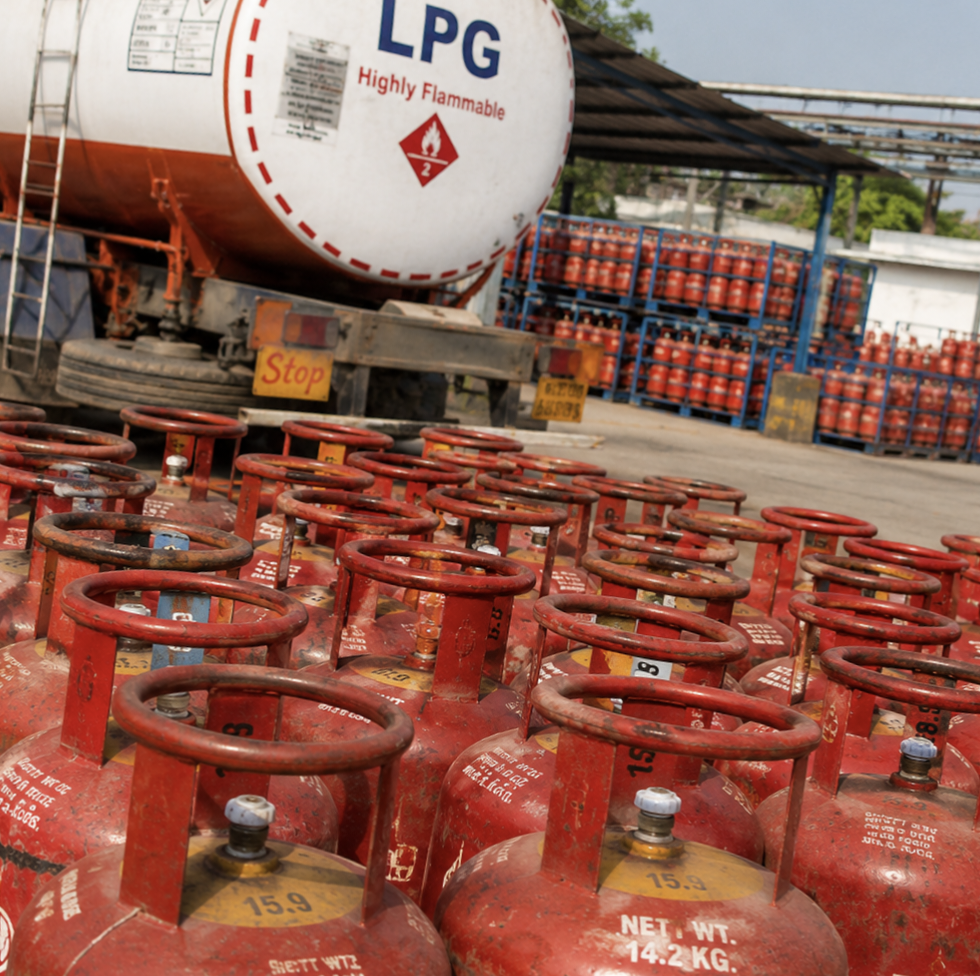
India is planning to significantly increase imports of liquefied petroleum gas (LPG) from the United States as it looks to strengthen energy security and reduce its dependence on suppliers in the Gulf region. According to reports, Indian oil marketing companies (OMCs) are in discussions to double the existing annual contracted volume of 2.2 million tonnes of LPG from the US.
The move comes after the recent conflict in West Asia disrupted cargo movements through the Strait of Hormuz, exposing India’s vulnerability in LPG supplies. While crude oil availability remained largely stable, LPG shipments from Gulf nations faced delays, prompting Indian companies to search for alternative sources.
India had signed a one-year agreement with the US in November 2025 to import nearly 10 per cent of its annual cooking gas requirement during the 2026 contract year. During the conflict, the US emerged as one of India’s most reliable LPG suppliers after several Gulf cargoes were stranded.
Government officials believe increasing imports from the US will not only diversify India’s supply chain but also support plans to build strategic LPG reserves. Earlier this year, the Petroleum Ministry asked oil companies to prepare an action plan for creating a 30-day strategic LPG reserve. This reserve will be in addition to the existing 45-day rolling stock maintained by oil retailers for domestic and commercial LPG demand.
Industry data shows how quickly the US has become an important supplier. Less than 8 per cent of India’s LPG imports came from the US in 2025. However, the share increased to nearly 12 per cent in January 2026, climbed to 37 per cent in March during the West Asia crisis, and further rose to 65 per cent in June.
Apart from the US, India has also sourced LPG from countries such as Argentina, Nigeria and Malaysia to reduce supply risks.
For consumers, the government’s strategy is primarily aimed at ensuring uninterrupted availability of LPG cylinders even during global geopolitical disruptions. A diversified import basket and larger strategic reserves could help protect domestic supplies from future international crises, although retail LPG prices will continue to depend on global energy markets, exchange rates and government pricing policies.