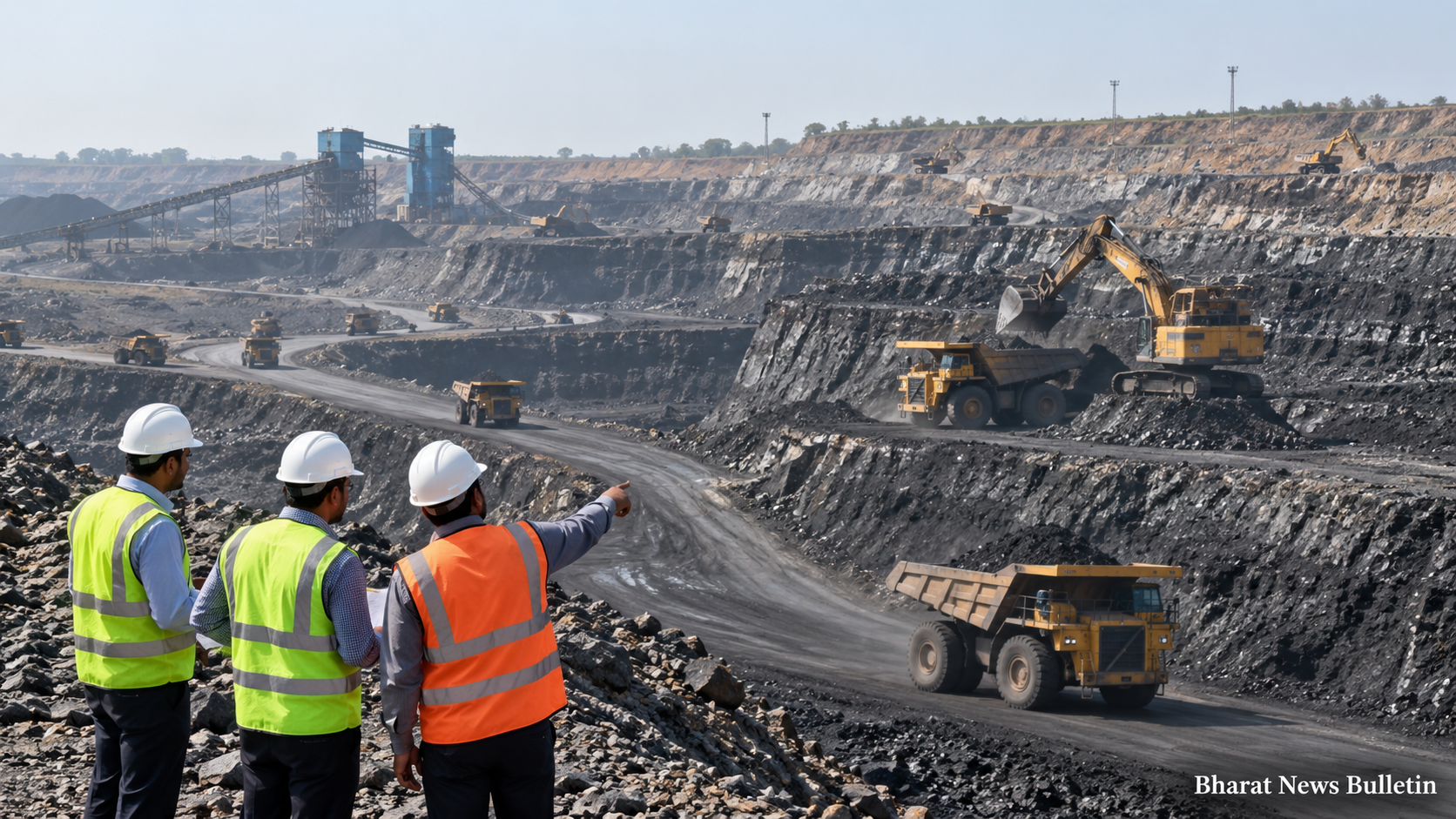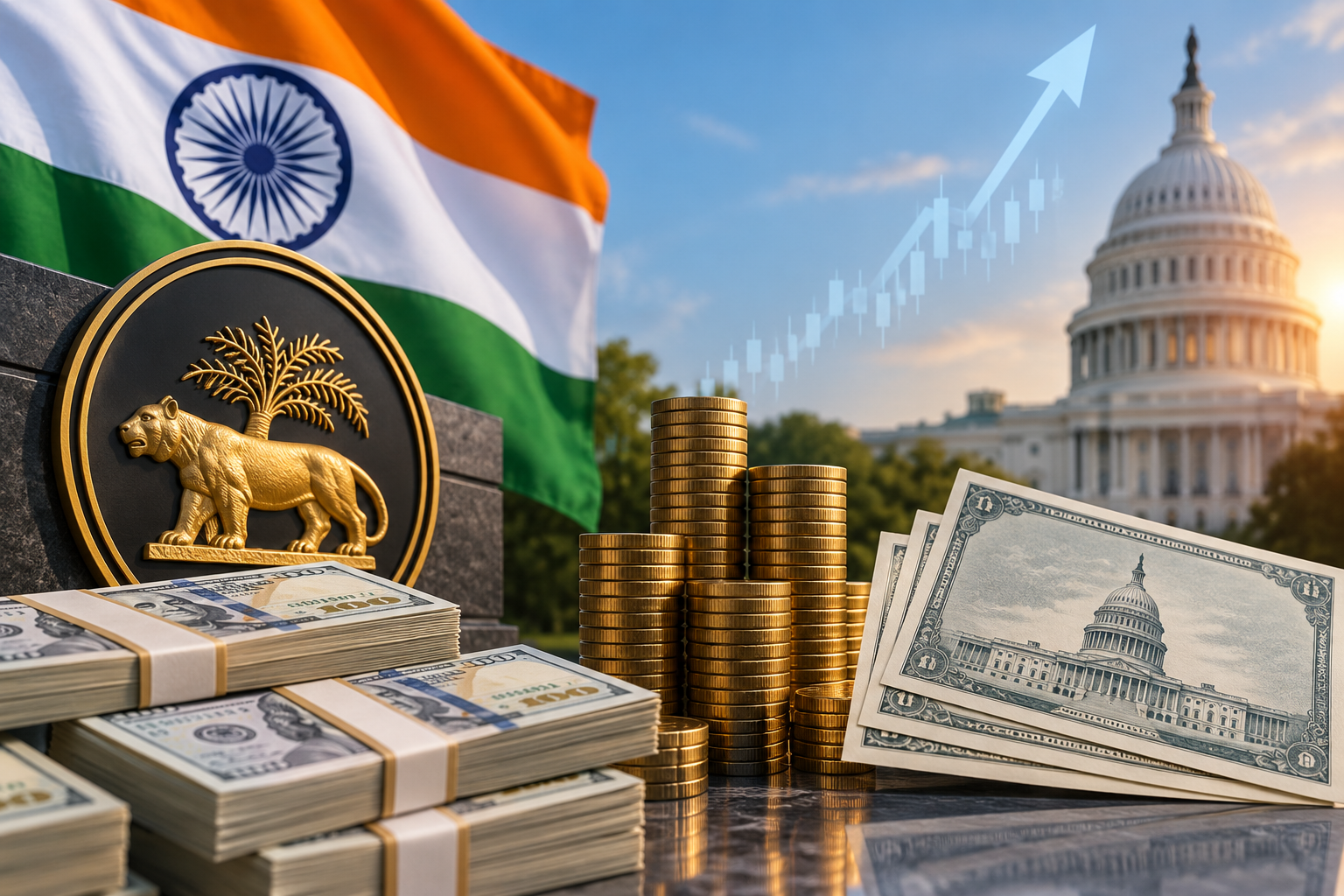
The government has increased the windfall tax on exports of diesel and aviation turbine fuel, while reducing the levy on petrol.
The revised rates came into effect on July 16, but retail petrol and diesel prices for consumers will remain unchanged.
Highlights
- Windfall tax on diesel has been raised from ₹8.5 to ₹15.5 per litre.
- Export duty on ATF has increased from ₹7.5 to ₹14.5 per litre.
- Windfall tax on petrol has been reduced from ₹4 to ₹2.5 per litre.
- The new rates are effective from July 16 and are part of the government’s fortnightly review.
- The decision comes amid rising crude oil prices and geopolitical tensions in West Asia.
- The revision will not directly affect retail petrol and diesel prices for consumers.
The central government has sharply increased the windfall tax on exports of diesel and aviation turbine fuel, while reducing the levy on petrol. According to a notification issued by the Finance Ministry, the revised rates came into effect on July 16.
Under the new structure, the windfall tax on petrol has been reduced from ₹4 per litre to ₹2.5 per litre. At the same time, the levy on diesel has been increased from ₹8.5 to ₹15.5 per litre, while the tax on ATF has been raised from ₹7.5 to ₹14.5 per litre.
The government reviews these duties every 15 days based on international crude oil prices and refining margins. The latest revision comes amid increased volatility in global oil markets and rising geopolitical tensions in West Asia.
Brent crude prices have recently moved close to $85 per barrel. Tensions between the United States and Iran, concerns over oil supplies through the Strait of Hormuz and lower exports from Russia have added pressure to the global energy market. These developments have also pushed up refining margins, particularly for diesel and aviation fuel.
However, the government has clarified that the windfall tax applies only to exports. Therefore, the revision will not have any immediate direct impact on the retail prices of petrol and diesel paid by consumers in India.
In June, the government had temporarily restricted industrial, commercial and institutional buyers from purchasing fuel from retail outlets. The move was aimed at ensuring adequate supplies for regular consumers and preventing large buyers from shifting purchases from bulk channels to retail pumps. The restrictions were later withdrawn, and normal operations resumed from July 1.