Improved monsoon and higher sowing have raised hopes of a better urad harvest.
Weak domestic buying and steady imports are expected to keep prices under pressure.
Highlights:
- Urad prices declined for the second straight week across wholesale markets.
- Average all-India mandi price fell to ₹8,638 per quintal on August 3.
- Better kharif sowing and favourable rainfall have improved crop prospects.
- Weak demand from millers and softer export orders are weighing on prices.
- Fresh urad arrivals are expected from mid-September onwards.
- IPGA says prices may slip to around ₹8,350 per quintal if support levels break.
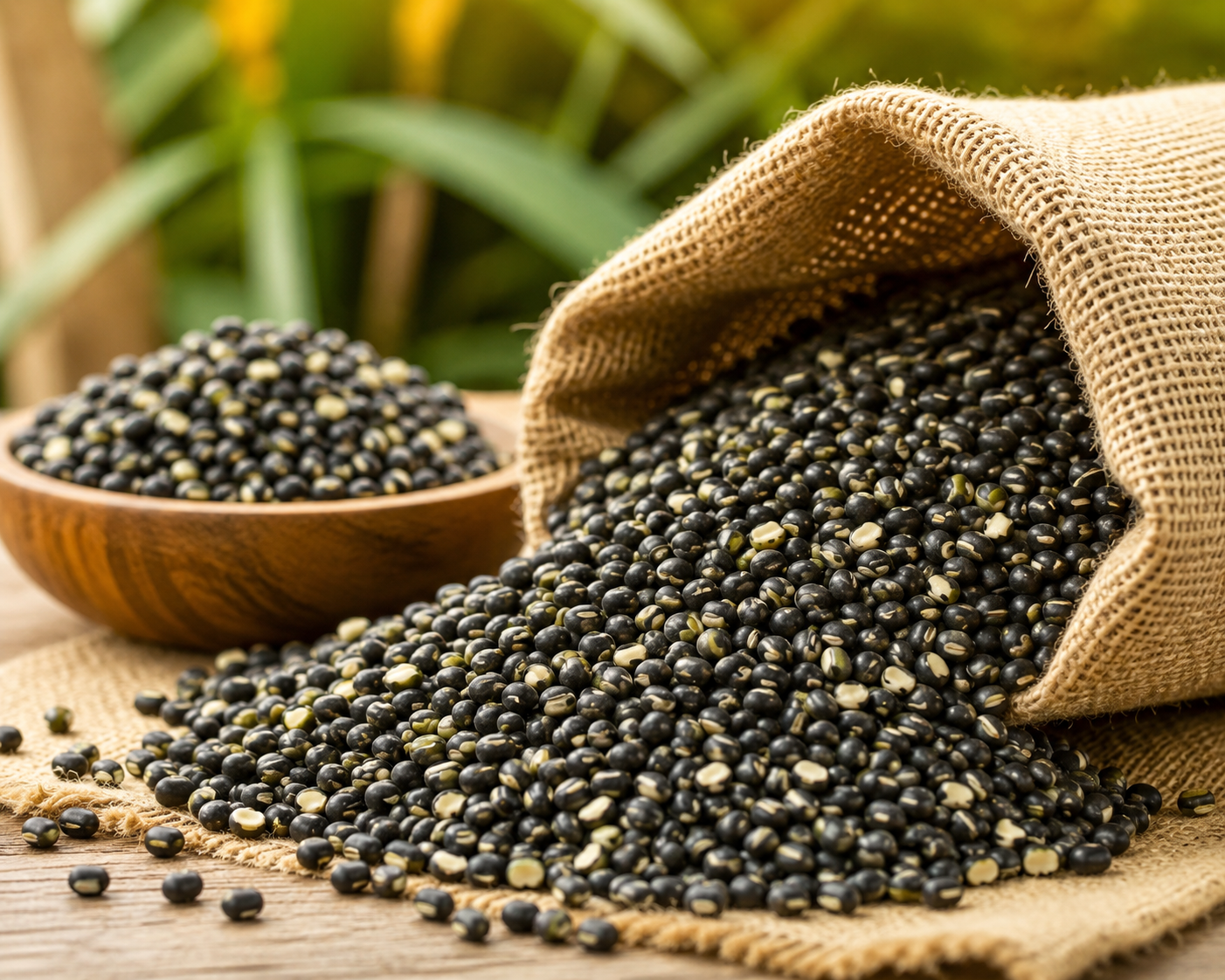
India’s urad (black gram) market remained under pressure for the second consecutive week as improving crop prospects and subdued demand continued to weigh on wholesale prices. According to the India Pulses and Grains Association (IPGA), favourable monsoon conditions and better progress in kharif sowing have strengthened expectations of a healthy harvest, reducing concerns over supply.
The Agriculture Ministry’s latest data showed that the average all-India wholesale mandi price of urad declined to ₹8,638 per quintal as of August 3. The price was down from ₹8,908 a week earlier and ₹8,980 two weeks ago. About three weeks ago, urad prices had touched a recent high of around ₹9,133 per quintal, but have since corrected as supply expectations improved.
While urad acreage has declined in Karnataka and Maharashtra, sowing has increased in states such as Andhra Pradesh, Rajasthan, Gujarat, Jharkhand and Chhattisgarh. The improved acreage, coupled with favourable rainfall across major producing regions, has boosted confidence in a better kharif crop this season.
Market participants said domestic demand remains weak as millers are purchasing cautiously. Export demand has also softened, particularly from Myanmar, while a stronger rupee has further reduced export competitiveness. Regular imports of urad at Chennai port until mid-August are also adding to supply availability, keeping prices under pressure.
According to traders, fresh kharif crop arrivals are expected to begin from mid-September and gather pace by the end of the month. The arrival of the new crop, along with shipments from Brazil, could further improve market supplies. IPGA noted that if current support levels fail to hold, wholesale urad prices may decline towards ₹8,350 per quintal in the coming weeks.
Overall, the urad market is likely to remain weak in the near term unless there is a sharp improvement in domestic demand or weather-related disruptions to crop production.