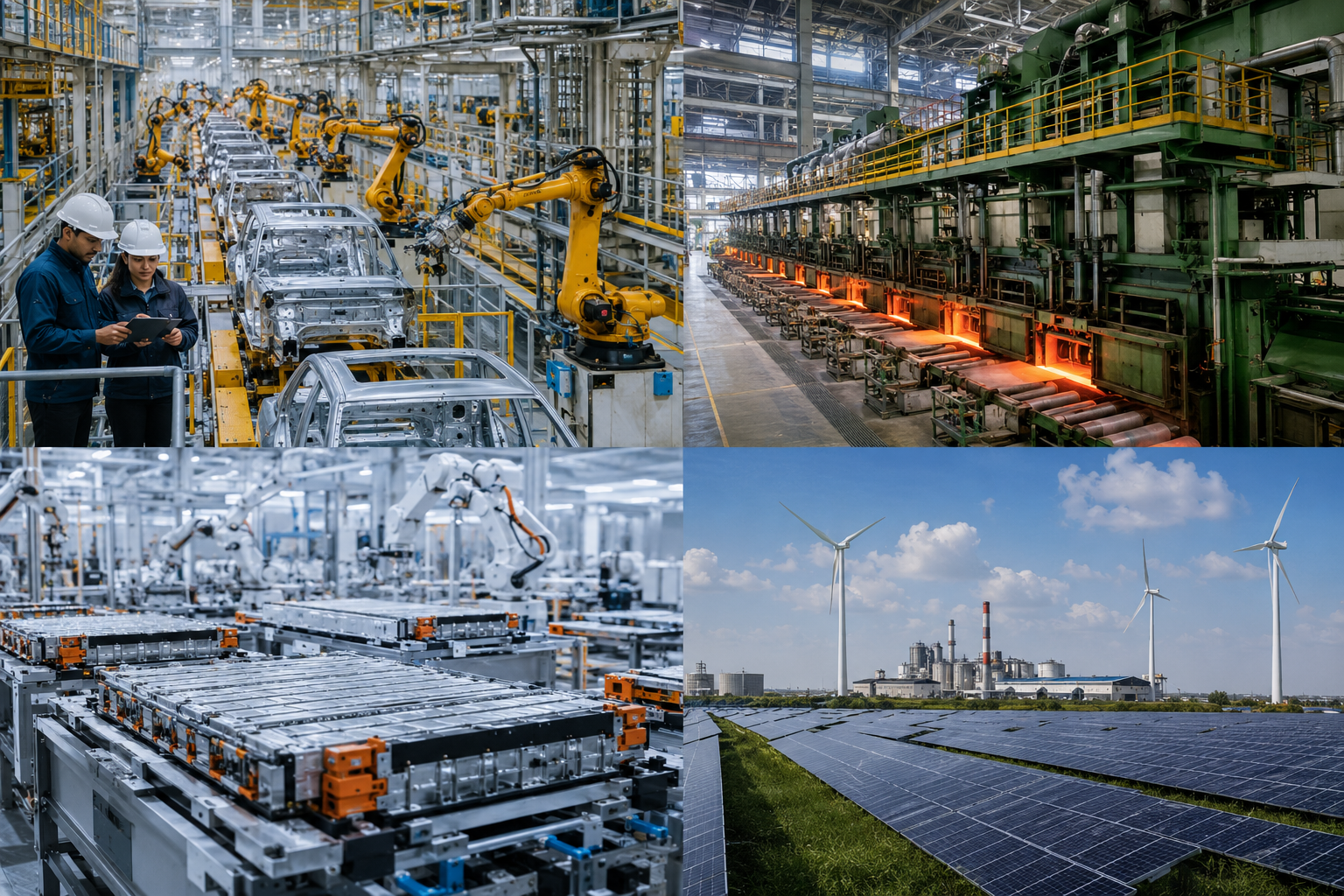
Union Minister H.D. Kumaraswamy said India must strengthen resilient supply chains, green steel production and advanced manufacturing capabilities to become a global leader in clean energy technologies and secure long-term energy independence.
Key Highlights
- H.D. Kumaraswamy said manufacturing capability now defines energy security.
- India aims to become a global producer of clean energy technologies.
- Government targets 300 million tonnes of steelmaking capacity by 2030.
- PM E-DRIVE Scheme has an outlay of ₹10,900 crore to strengthen EV manufacturing.
- ₹18,100 crore PLI scheme will support 50 GWh domestic battery manufacturing.
- ₹7,280 crore rare earth magnet scheme aims to reduce import dependence.
Union Minister for Steel and Heavy Industries H.D. Kumaraswamy said India must build resilient manufacturing ecosystems and supply chains to emerge as a global leader in the clean energy transition, stating that modern energy security depends as much on industrial capability as on access to natural resources.
Speaking at the 7th CII International Energy Conference & Exhibition in New Delhi, the Minister said geopolitical disruptions, competition for critical minerals and changing global supply chains have fundamentally transformed the meaning of energy security. According to him, nations that can manufacture, innovate and secure reliable industrial supply chains will lead the next phase of global economic growth.
Kumaraswamy said India is pursuing this vision under the Aatmanirbhar Bharat initiative by strengthening domestic manufacturing while remaining integrated with trusted global value chains. He stressed that the country should evolve from being one of the world’s largest consumers of clean energy technologies into one of the leading global producers of equipment, materials and advanced technologies required for the energy transition.
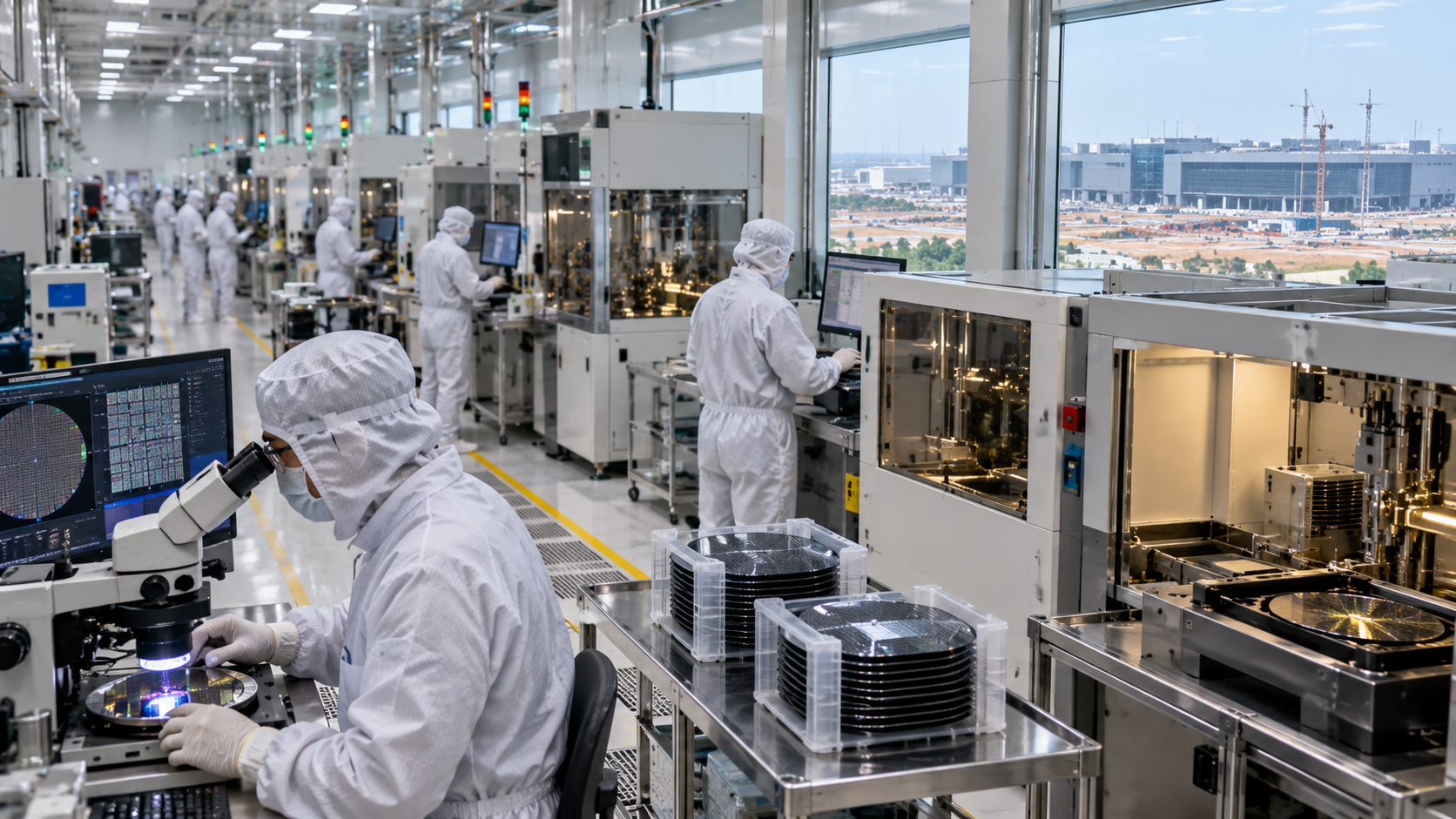
The Minister highlighted that India’s clean energy ambitions depend on a robust manufacturing ecosystem covering steel, heavy engineering, transformers, batteries, power equipment, electric mobility, construction equipment and advanced industrial technologies.
Describing steel as the backbone of renewable energy infrastructure, Kumaraswamy noted that solar parks, wind turbines, transmission networks, battery manufacturing facilities and green hydrogen projects all rely heavily on steel. He reiterated the government’s target of achieving 300 million tonnes of steelmaking capacity by 2030, while emphasising that future expansion must be sustainable and environmentally responsible through greater adoption of renewable energy and low-carbon production technologies.
He also underlined the growing importance of Green Steel, stating that decarbonisation, energy efficiency and technological advancement are essential for maintaining India’s global competitiveness in the steel sector.
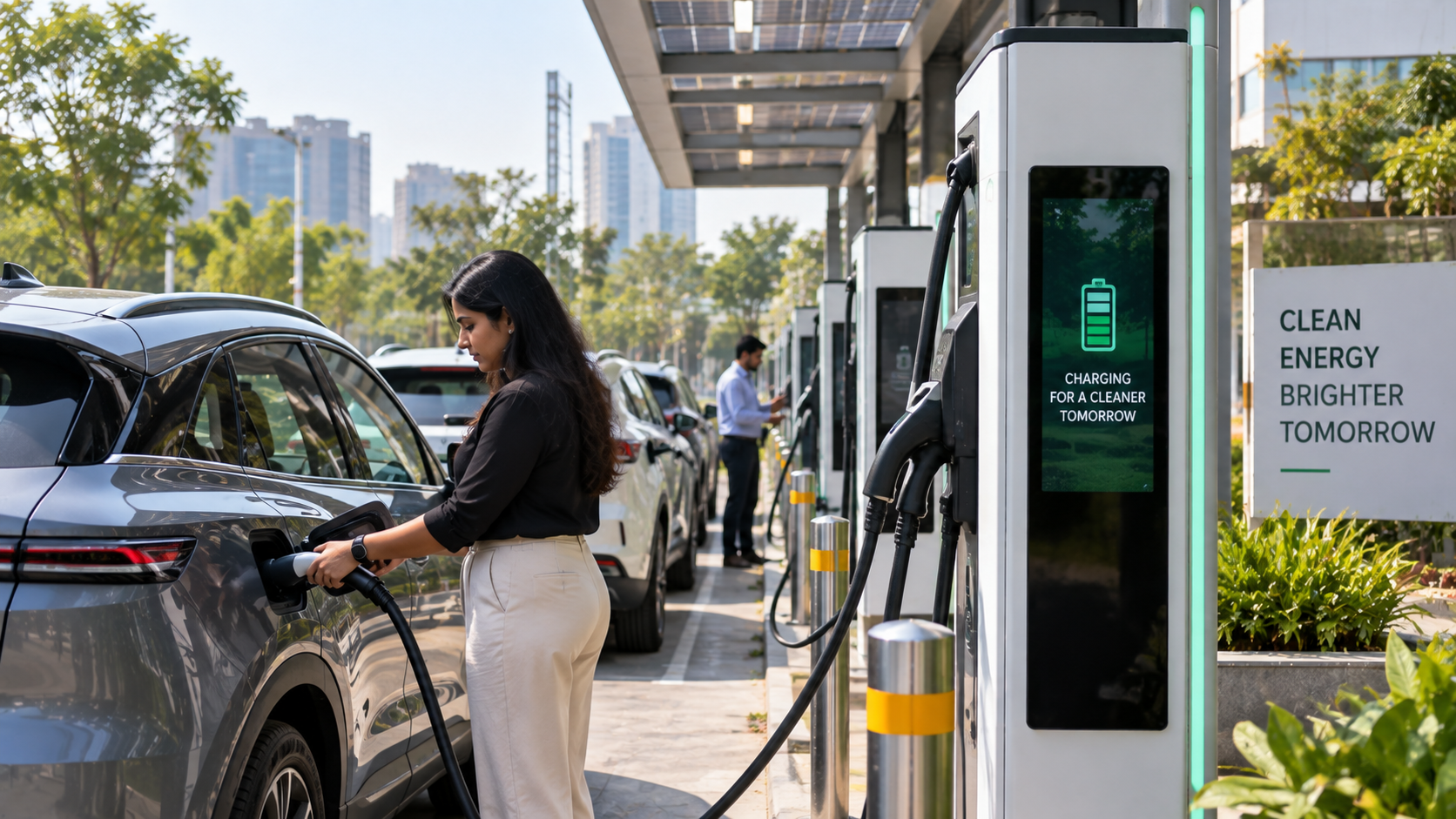
On the heavy industries front, Kumaraswamy said India’s energy transition requires stronger domestic manufacturing across batteries, heavy electrical equipment, automotive manufacturing, energy storage systems and construction equipment. He highlighted the ₹10,900 crore PM E-DRIVE Scheme, which aims to strengthen electric mobility by simultaneously creating demand and expanding domestic manufacturing capabilities.
The Minister further pointed to the ₹18,100 crore Production Linked Incentive (PLI) Scheme for Advanced Chemistry Cell Batteries, designed to establish 50 GWh of domestic battery manufacturing capacity and reduce dependence on imported battery technologies.
Addressing critical mineral security, Kumaraswamy said the government is expanding domestic capabilities and international partnerships in rare earths, advanced materials and mineral processing. He also highlighted the ₹7,280 crore Scheme for Promotion of Manufacturing of Sintered Rare Earth Permanent Magnets, which seeks to secure supply chains for industries including automotive, defence, renewable energy and aerospace.
Calling for stronger collaboration among government, industry, academia and research institutions, the Minister said resilient supply chains can only be built through integrated manufacturing ecosystems that generate employment, create value and strengthen India’s long-term energy security. He invited stakeholders to work together towards achieving the vision of Viksit Bharat 2047 through sustainable industrial growth.