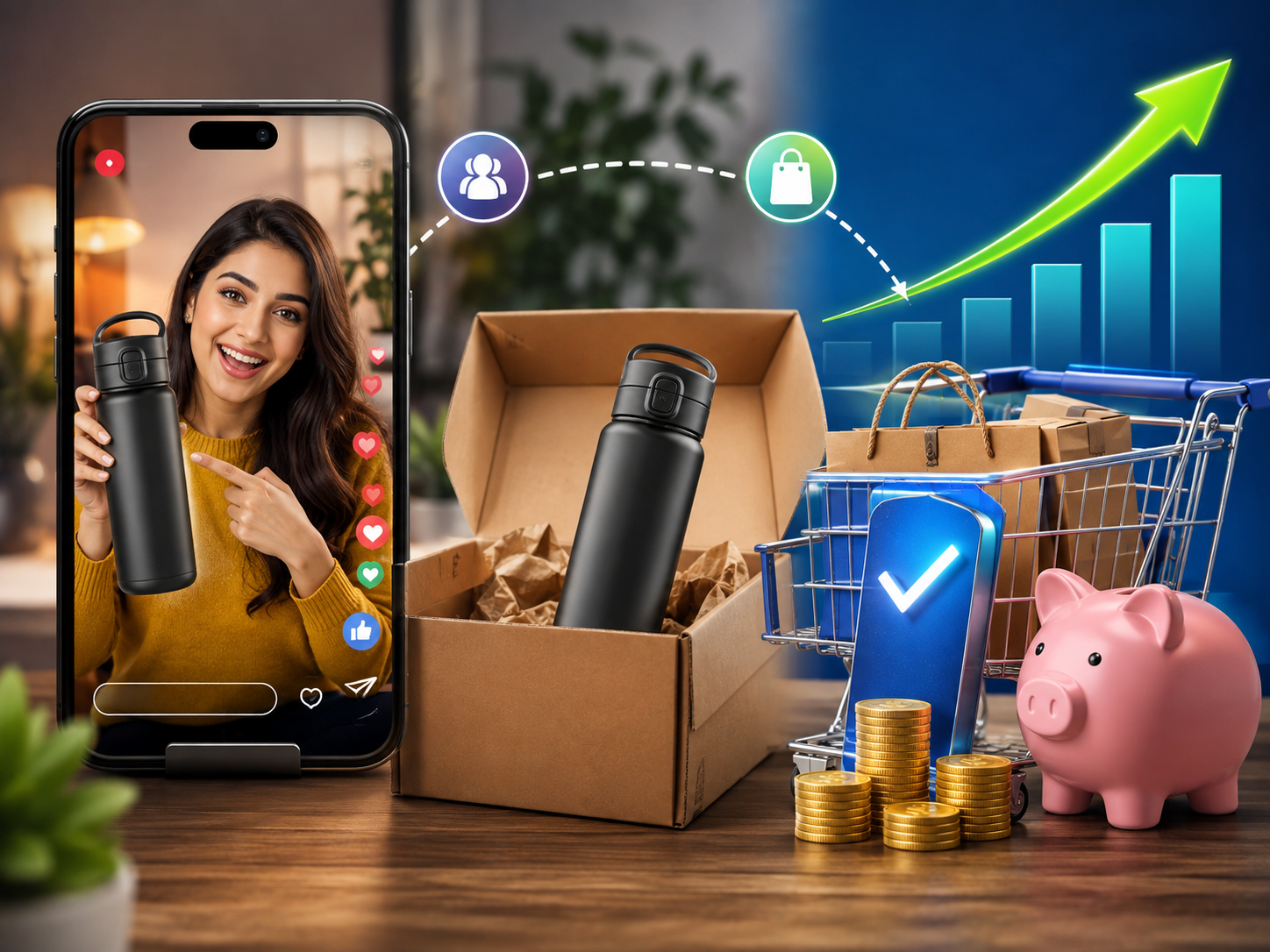
Brands are increasingly using Instagram, Facebook, YouTube and WhatsApp to sell directly to consumers.
Cutting distributors and other intermediaries could reduce costs and make some products up to 50% cheaper.
Highlights
- Direct-to-Consumer (D2C) business is expanding rapidly in India.
- Social media platforms are becoming important sales channels for brands.
- Online retailers could account for around 24% of industry revenue.
- India’s online retail market could reach around Rs 38 lakh crore by 2030.
- Removing middlemen could make some products up to 50% cheaper.
- Direct selling also gives brands better access to customer preferences and buying behaviour.
New Delhi: Buying a product directly from a brand after discovering it through an Instagram Reel or social media post is becoming increasingly common in India. The rapid growth of the Direct-to-Consumer (D2C) model is changing how brands sell products and could also help consumers get better prices.
According to a Dainik Bhaskar report, Indian brands are increasingly using platforms such as Instagram, Facebook, YouTube and WhatsApp to connect directly with customers instead of depending entirely on traditional distributors and retail networks.
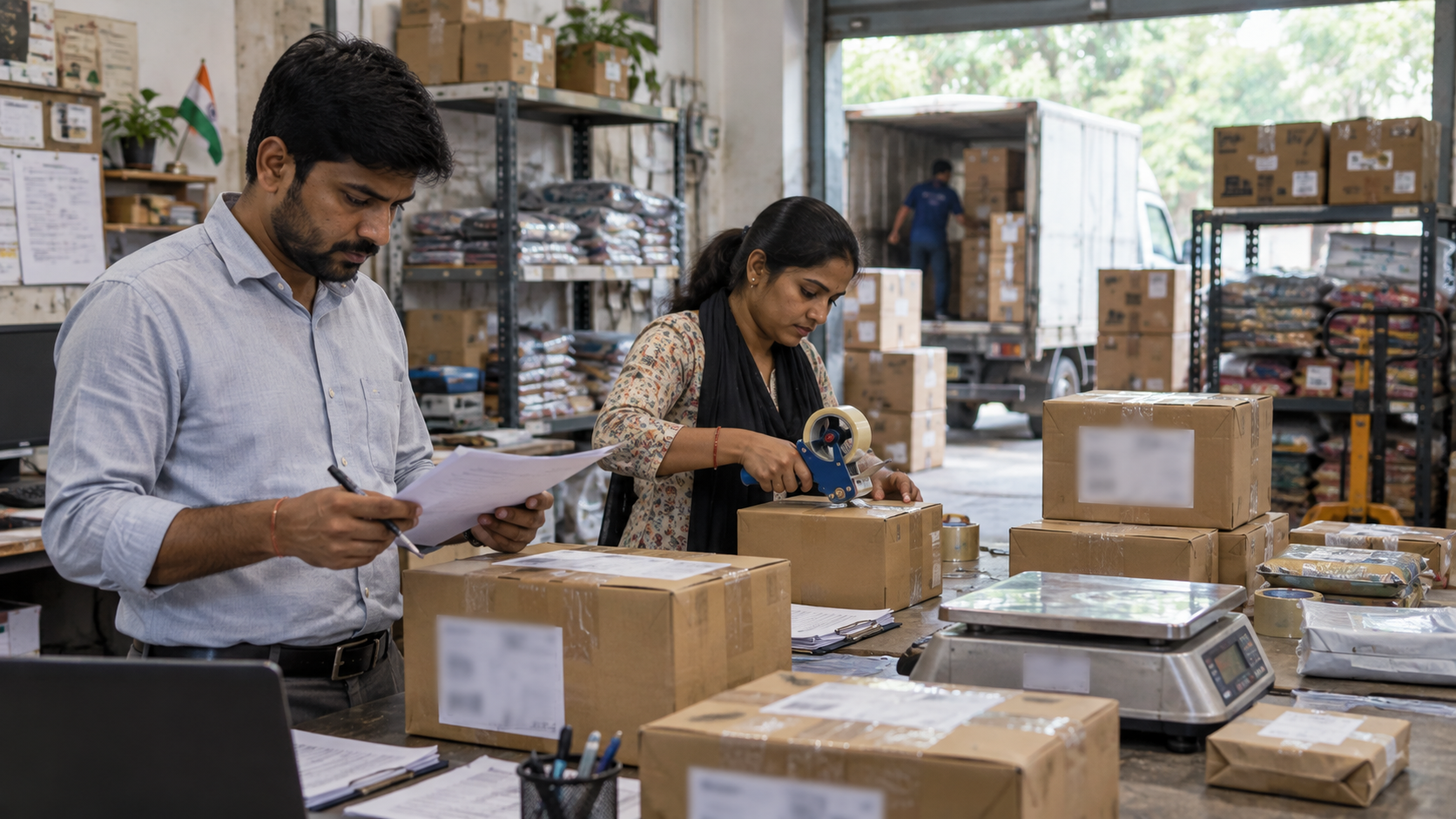
Under the D2C model, companies sell products directly to consumers. This can eliminate several layers of intermediaries, including distributors, wholesalers and, in some cases, offline retailers. The resulting reduction in costs could allow brands to offer certain products at prices up to 50% lower, according to the report.
India’s rapidly expanding online shopping market is supporting this shift. Online retailers are expected to account for around 24% of industry revenue, while India’s online retail market could grow to around Rs 38 lakh crore by 2030.
For brands, direct selling offers advantages beyond lower distribution costs. Companies can collect first-hand information about what customers are buying, what they like and how their preferences are changing. This can help businesses launch products faster and tailor their offerings more closely to consumer demand.
The model could also help companies improve margins. In a traditional distribution network, multiple intermediaries add their own costs and margins before a product reaches the customer. Selling directly can reduce some of these expenses, giving brands greater flexibility in pricing.
However, consumers should not expect every D2C product to automatically become 50% cheaper. The actual saving will vary depending on the product category, logistics costs, marketing expenditure, discounts and the pricing strategy adopted by individual brands.
As social commerce grows, the way Indians discover and purchase products is likely to change further. Consumers could increasingly move from discovering a product on a Reel or social media post to purchasing it directly from the brand—all within the digital ecosystem.