PM Narendra Modi said India could see another five to eight semiconductor plants become operational over the next seven to eight years. The government also plans to train one crore youth in artificial intelligence skills within a year.
Highlights
- India may get 5-8 additional semiconductor plants in the next 7-8 years.
- PM Modi said three major semiconductor plants are already operational.
- Products from these plants are expected to be exported to global markets.
- The government aims to train one crore youth in AI skills over the next year.
- India Semiconductor Mission 2.0 has an outlay of ₹1.27 trillion.
- 12 manufacturing units have been approved under the first India Semiconductor Mission.
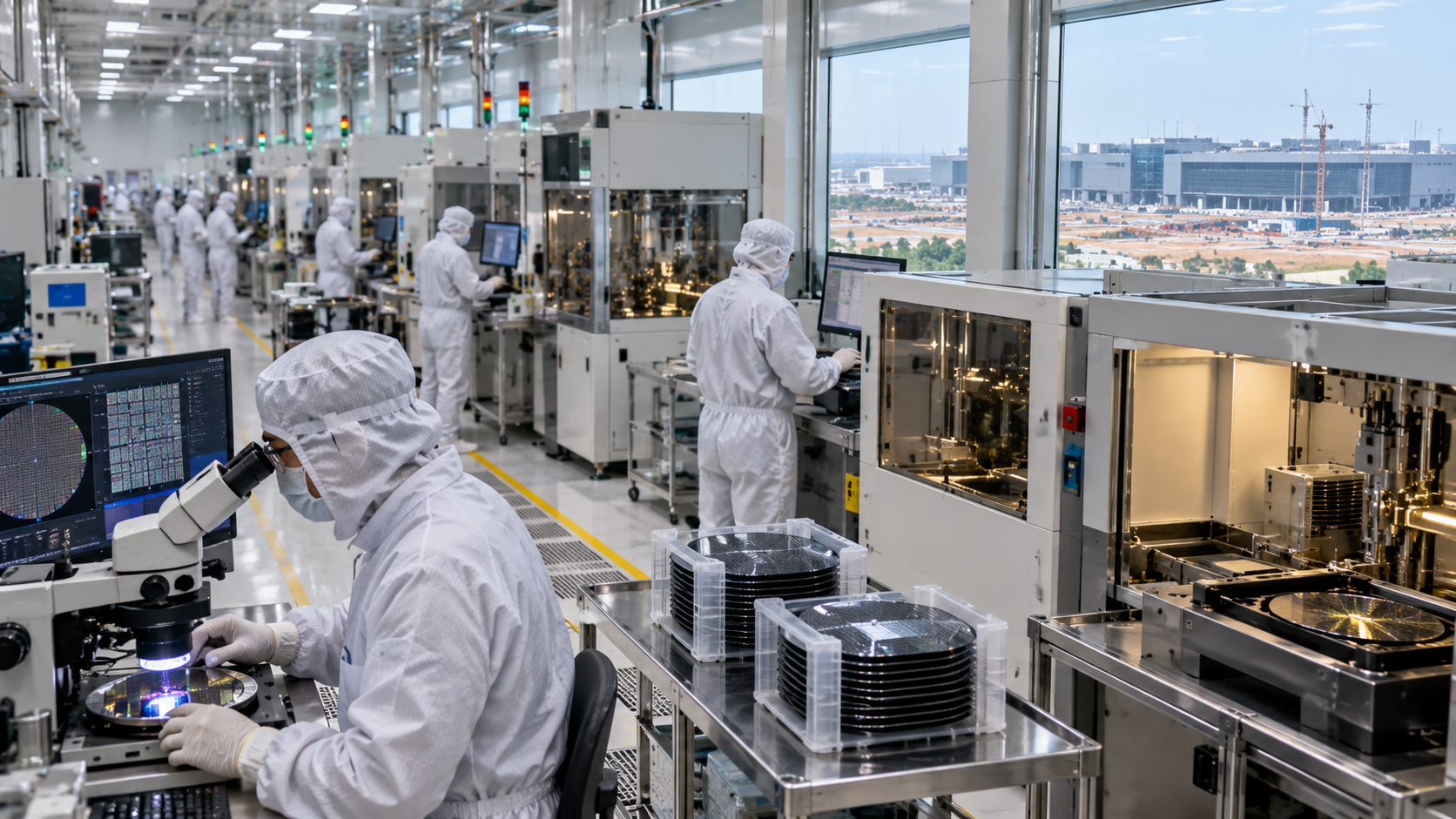
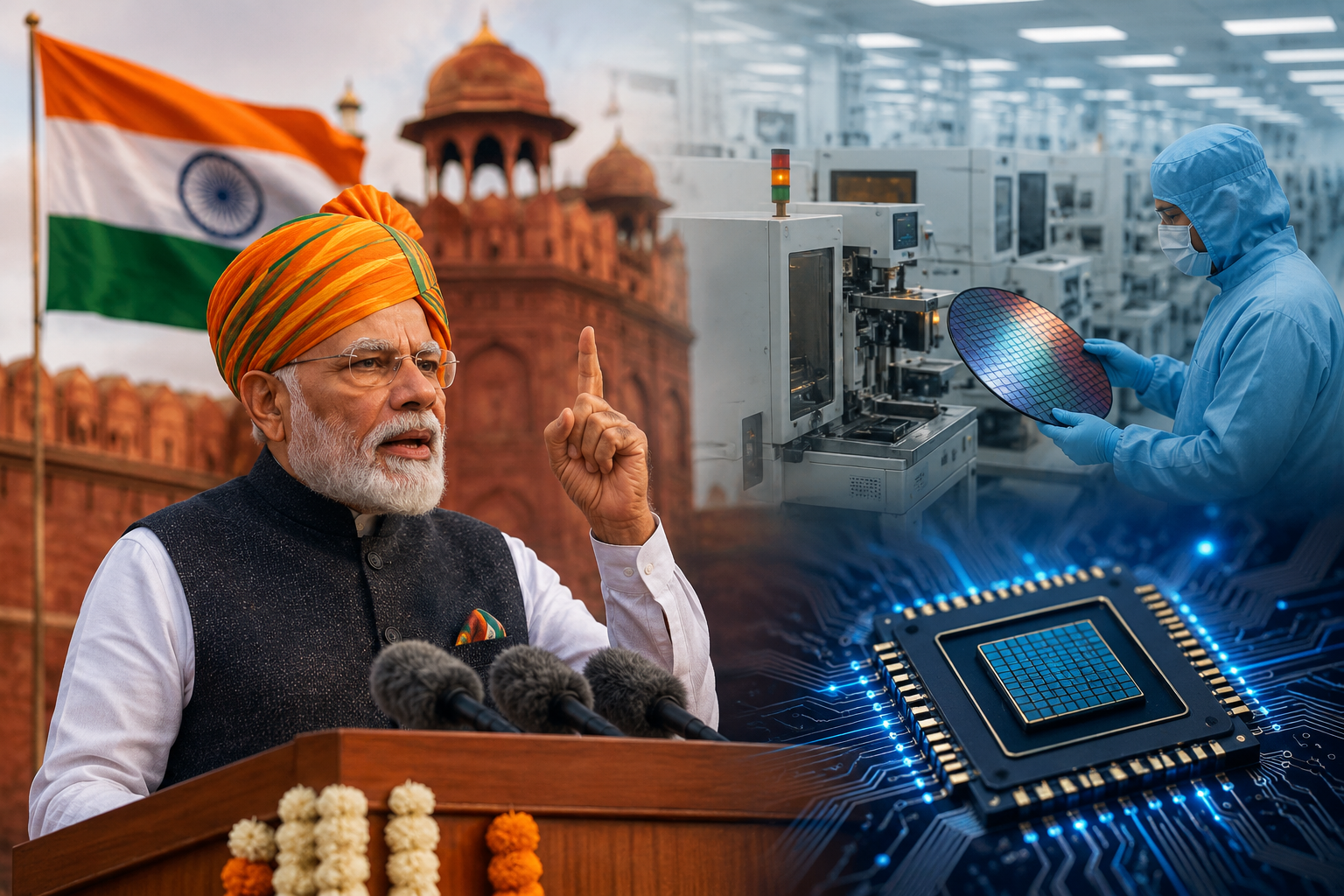
Prime Minister Narendra Modi has outlined a major expansion of India’s semiconductor manufacturing ambitions, saying the country could see another five to eight semiconductor plants become operational over the next seven to eight years.
Speaking from the Red Fort during his Independence Day address, Modi stressed the importance of technology, entrepreneurship and self-reliance in shaping India’s future growth.
The Prime Minister said India currently has three major semiconductor plants that are operational and their products will also be exported. However, he did not provide details about the proposed new semiconductor projects.
Highlighting the importance of chips in the modern economy, Modi said semiconductors have become indispensable across several sectors. Chips are used in electronic products, medical equipment and transportation systems, making them a critical part of today’s technology-driven world.
India’s semiconductor push gained momentum after the government launched the India Semiconductor Mission in 2021. The first phase of the mission was backed by an incentive framework of ₹76,000 crore. It offered fiscal support of up to 50 per cent for silicon fabrication plants, compound semiconductor facilities, assembly and testing units, and chip design.
Earlier in 2026, the government announced India Semiconductor Mission 2.0 with an outlay of ₹1.27 trillion. So far, 12 manufacturing units have been approved under the first mission.
Apart from semiconductor manufacturing, Modi also focused on artificial intelligence during his Independence Day speech. He said AI technology is developing rapidly and Indian youth need to acquire the necessary skills to benefit from this transformation.
The government, he said, plans to train one crore young people in AI skills over the next one year. The initiative is aimed at preparing India’s workforce for emerging technologies and strengthening the country’s position in the global technology ecosystem.
The semiconductor expansion and AI skilling plans underline the government’s broader push to strengthen domestic technology capabilities and reduce dependence on overseas manufacturing.