Chief Economic Adviser V Anantha Nageswaran has argued for restoring a lower-ethanol petrol option such as E10 alongside E20.
The proposal aims to protect millions of older vehicles while allowing India to continue with its ethanol-blending programme.
Highlights
- Government adviser calls for bringing back E10 petrol alongside E20.
- E20 has been the only petrol variant sold nationwide since April 1.
- India has an estimated 75-80 million older pre-BS-IV two-wheelers.
- Carburettor-based vehicles could face issues while running on E20.
- E20’s estimated energy penalty is around 6-7%.
- The authors recommend keeping ethanol blending at E20 for now instead of increasing it further.
India should consider bringing back a lower-ethanol petrol option such as E10 to protect millions of older vehicles while continuing to sell E20 fuel, according to Chief Economic Adviser V Anantha Nageswaran and Department of Economic Affairs consultant Akash Poojari.
In an opinion piece, the two officials argued that although available evidence does not support widespread claims that E20 petrol damages engines, concerns surrounding India’s large fleet of older vehicles should not simply be dismissed. They clarified that the views expressed were personal.
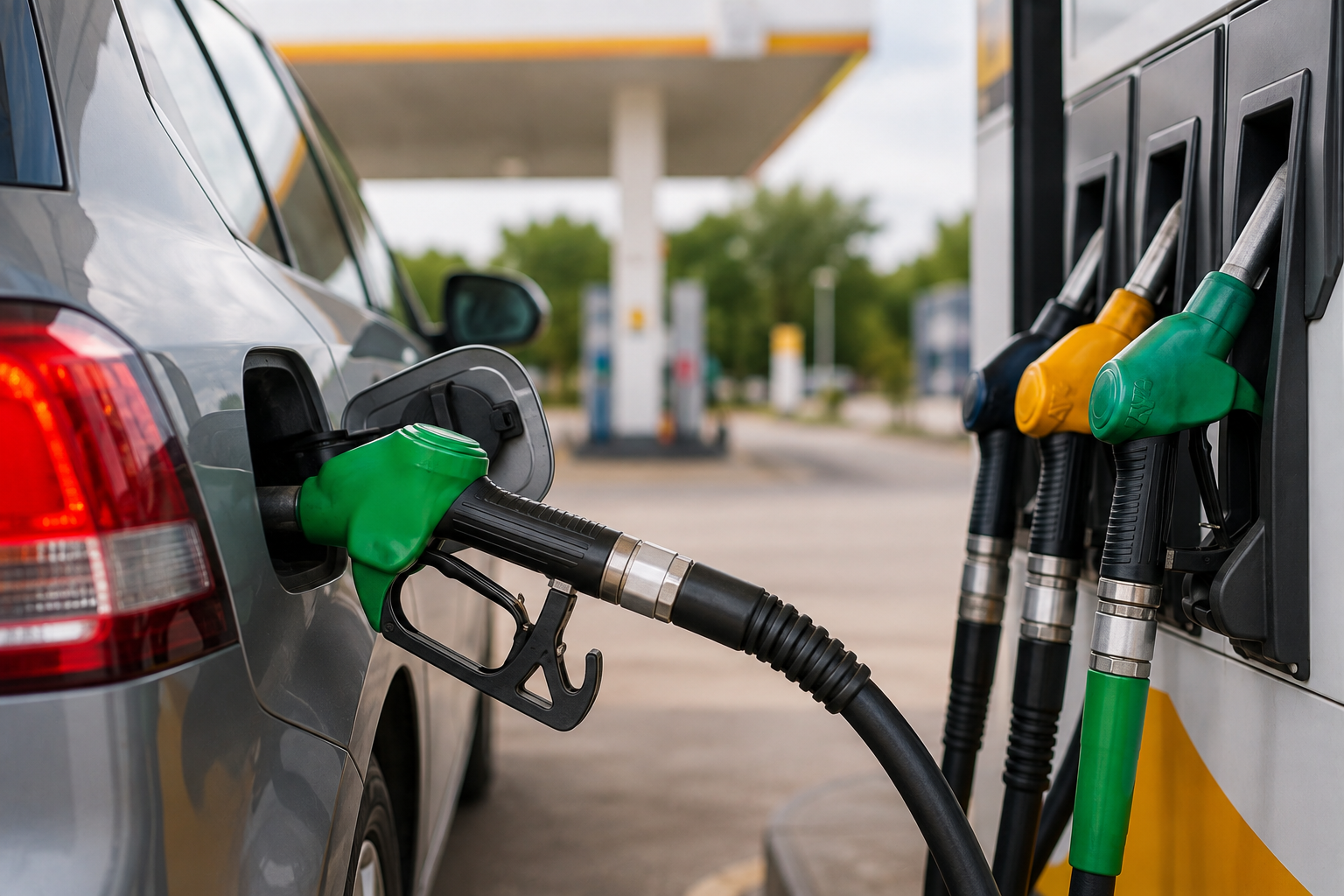
E20 petrol contains 20% ethanol and 80% petrol. It was rolled out as part of India’s strategy to reduce dependence on imported crude oil, support domestic agriculture and lower emissions. Since April 1, E20 has been the only petrol blend available at fuel stations nationwide.
Why Older Vehicles Could Face Problems
According to the authors, India has roughly 75-80 million older two-wheelers manufactured before BS-IV, many of which use carburettors.
Unlike modern fuel-injection systems, carburettors cannot automatically detect the additional oxygen associated with an ethanol blend and adjust the fuel supply accordingly. This could cause some older engines to run hotter when using E20.
Another concern involves older rubber seals and components that were not designed to be compatible with higher concentrations of ethanol. Such components may deteriorate after exposure to ethanol-blended fuel.
The authors therefore suggested restoring E10 petrol, containing 10% ethanol, alongside E20 while a retrofit programme for older vehicles is expanded.
What About Mileage?
Ethanol contains less energy than conventional petrol, which means vehicles can travel a shorter distance on a litre of E20.
However, the authors estimated the overall energy penalty at around 6-7%, significantly lower than some of the larger mileage-loss claims circulating online.
They also cited testing in India and the United States indicating no evidence of increased engine wear in vehicles that are compatible with E20.
Should India Go Beyond E20?
The opinion piece also questioned whether India should raise ethanol blending beyond the current 20% level.
According to the authors, maize now accounts for about half of India’s ethanol feedstock, while grains together contribute nearly 67%. Increasing ethanol demand could intensify competition for agricultural land between maize and crops such as soybean, groundnut and mustard.
This could complicate India’s efforts to reduce its dependence on imported edible oils.
Water consumption and the overall climate benefits of grain-based ethanol were also highlighted as issues requiring further assessment.
The authors acknowledged that India’s ethanol programme has delivered important benefits, including supporting rural incomes, providing a market for agricultural produce and helping clear sugarcane payment arrears.
However, they recommended retaining the E20 ceiling until the wider food-versus-fuel implications are properly assessed, while restoring a lower-blend petrol option for older vehicles.