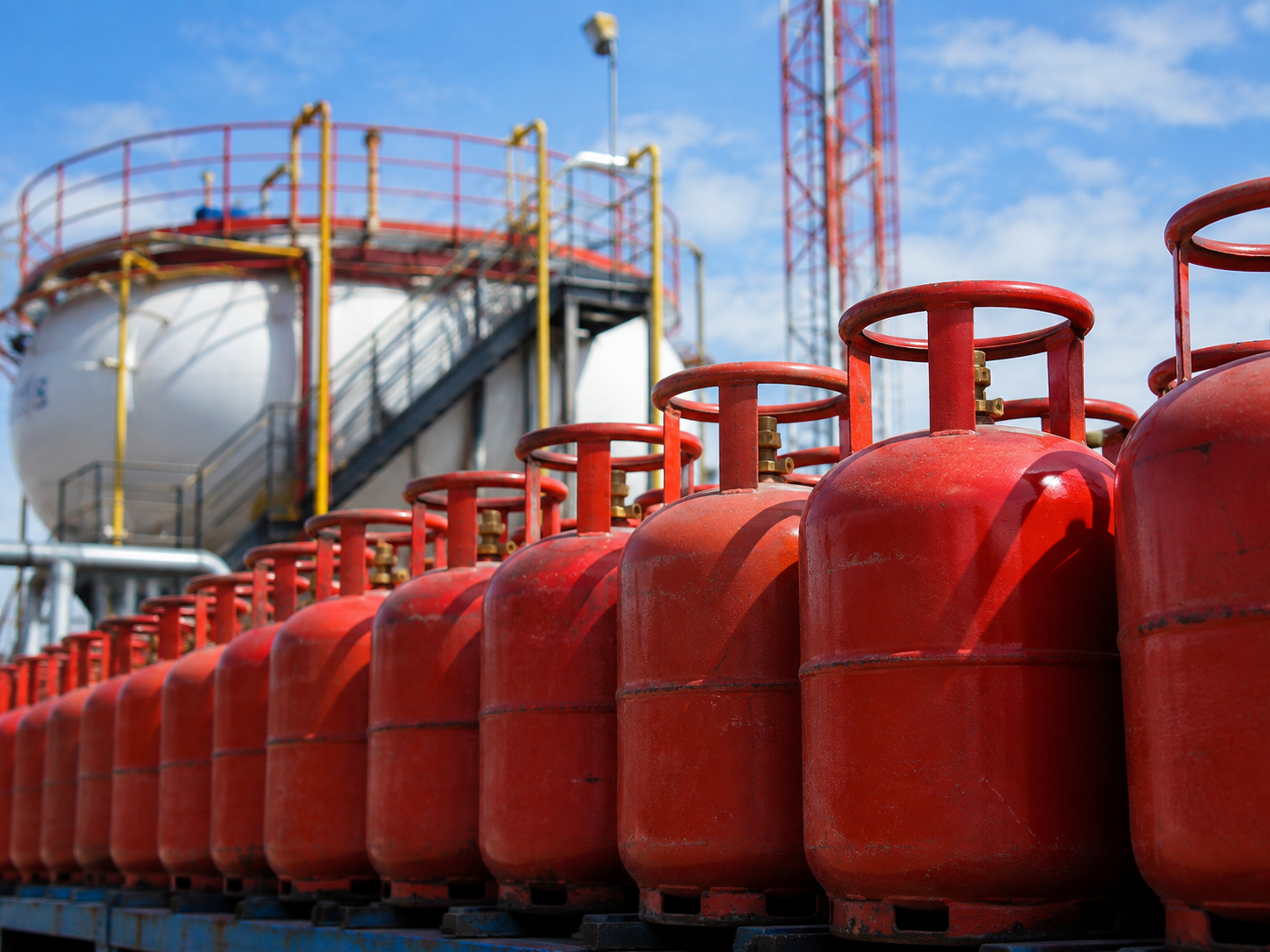
LPG consumption contracted sharply in July 2026 after growing 6.2% in January, amid supply constraints linked to geopolitical tensions.
Petrol demand remained flat while diesel consumption continued to show growth during April-July.
Highlights
- LPG consumption fell 16.4% year-on-year in July 2026.
- LPG demand had recorded 6.2% growth in January 2026.
- LPG consumption contracted 17% to 8.8 million tonnes during April-July.
- Petrol consumption remained nearly flat at 15.2 million tonnes.
- Diesel demand increased during the April-July period.
- LPG accounted for around 11.5% of India’s overall petroleum product consumption.
New Delhi: India’s consumption of liquefied petroleum gas (LPG) witnessed a sharp decline in July 2026, with demand falling 16.4% year-on-year as supply constraints weighed on availability, according to data cited in an economic outlook.
The decline marks a significant reversal from the beginning of the year. LPG consumption had grown 6.2% year-on-year in January 2026 before slipping sharply by July.
The contraction comes amid supply disruptions caused by geopolitical tensions involving Iran and the United States and the blockade of the Strait of Hormuz. These developments affected LPG supplies and contributed to weaker consumption during the period.
During April-July 2026, India’s LPG consumption contracted 17% to 8.8 million tonnes, according to the report. LPG remains an important component of India’s petroleum consumption basket, accounting for around 11.5% of total consumption.
The trend was different for other major petroleum products. Petrol consumption remained broadly flat during the April-July period at around 15.2 million tonnes. Diesel demand, meanwhile, continued to grow, highlighting different consumption patterns across fuel categories.
On a year-on-year basis, petrol consumption increased 6.8% during April-July of FY27, compared with growth of 7.9% during the same period of FY25. Diesel consumption grew 4.5% during April-July FY27, compared with 2.2% growth in FY25.
Overall petroleum product consumption contracted around 4% during the April-July period, with the sharp decline in LPG demand contributing to the fall.
The LPG numbers are particularly significant because the fuel is widely used by Indian households for cooking. Any prolonged disruption in supplies can therefore have a direct impact on domestic fuel availability and India’s energy import requirements.
The figures also underline India’s exposure to developments in international energy markets. With a significant portion of domestic LPG requirements met through imports, geopolitical disruptions and constraints along major global shipping routes can influence supplies and consumption trends in the country.