Calls for Value Addition, Resilient Supply Chains and Export Diversification
Key Highlights
- The government has urged Indian industry to make greater use of the country’s free trade agreements.
- Companies have been asked to understand rules of origin and structure supply chains to qualify for preferential tariffs.
- Industry has been urged to move up the value chain rather than focus only on basic manufacturing.
- Capital goods’ share in India’s export basket has increased from 13 per cent in 2014 to 19 per cent currently.
- The government wants businesses to build resilient supply chains and reduce dependence on concentrated global sources.
- Critical minerals, domestic electronic components and APIs were identified as important areas for investment.
- Businesses have been encouraged to actively diversify export markets.
- Trade agreements with Oman, New Zealand and Mauritius were cited as opening preferential trade corridors.
- The government also wants India to move from being a standards taker to a standards setter.
- Growing concentration in critical mineral processing was flagged as a major global economic security risk.
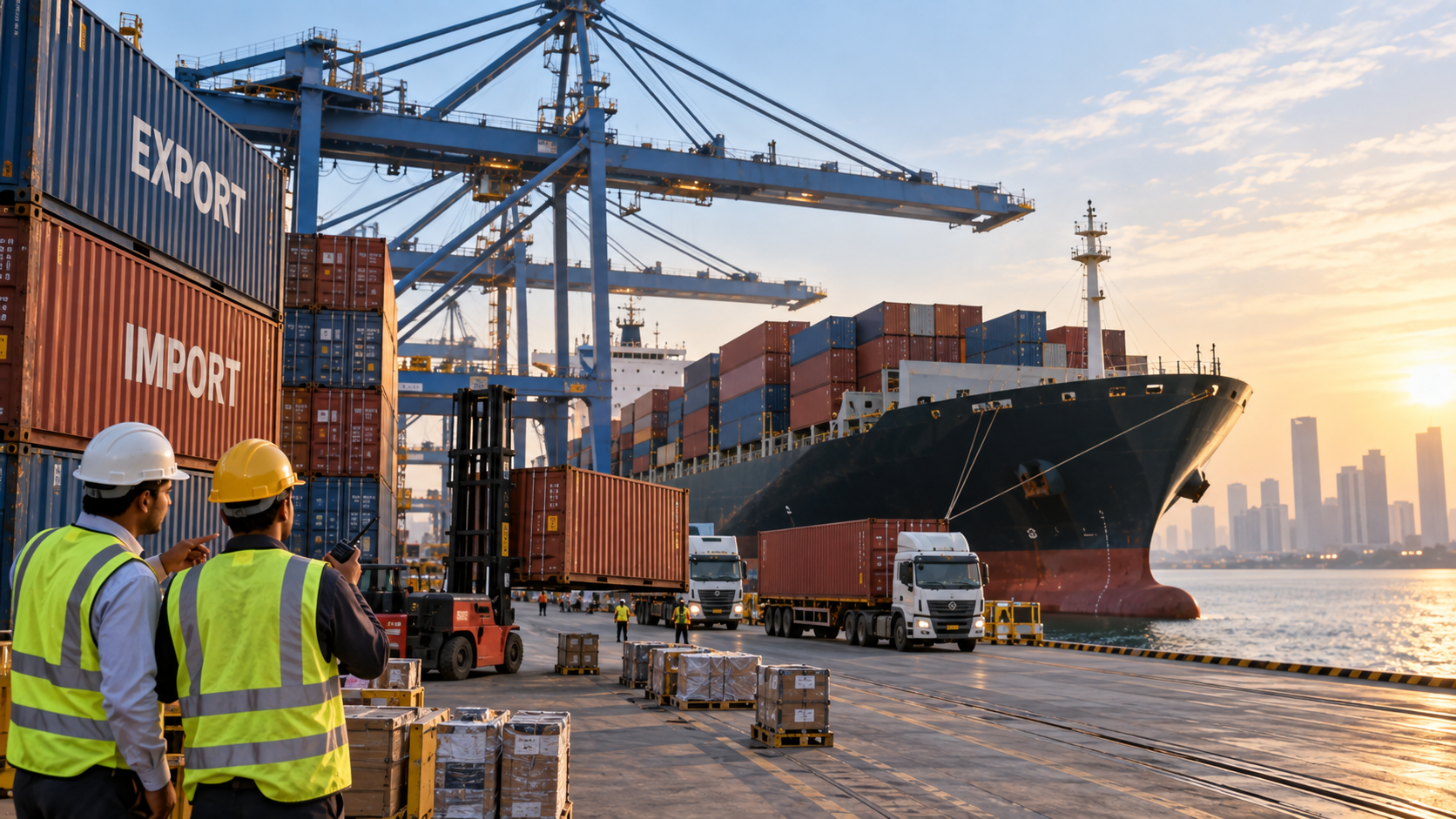
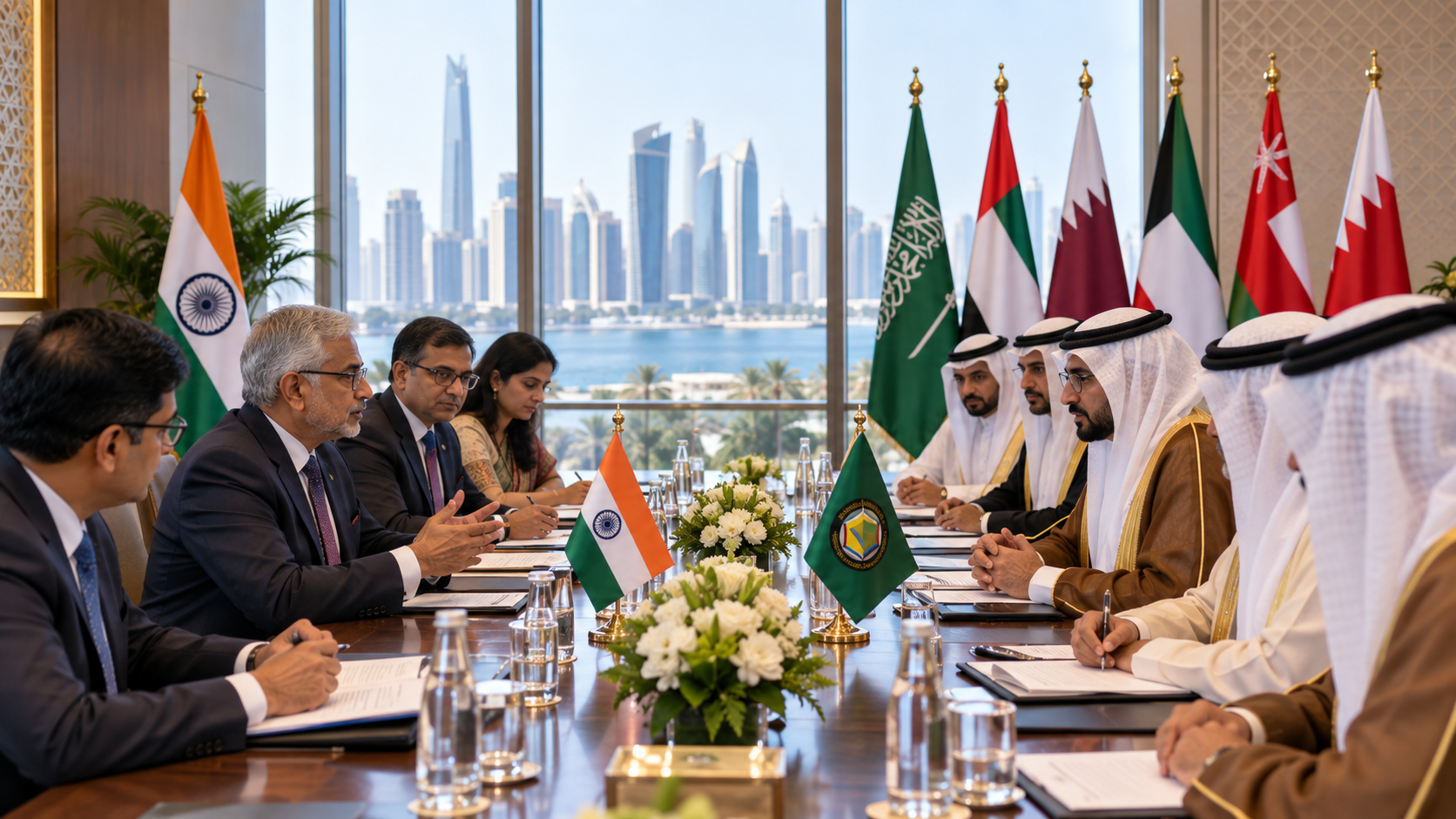
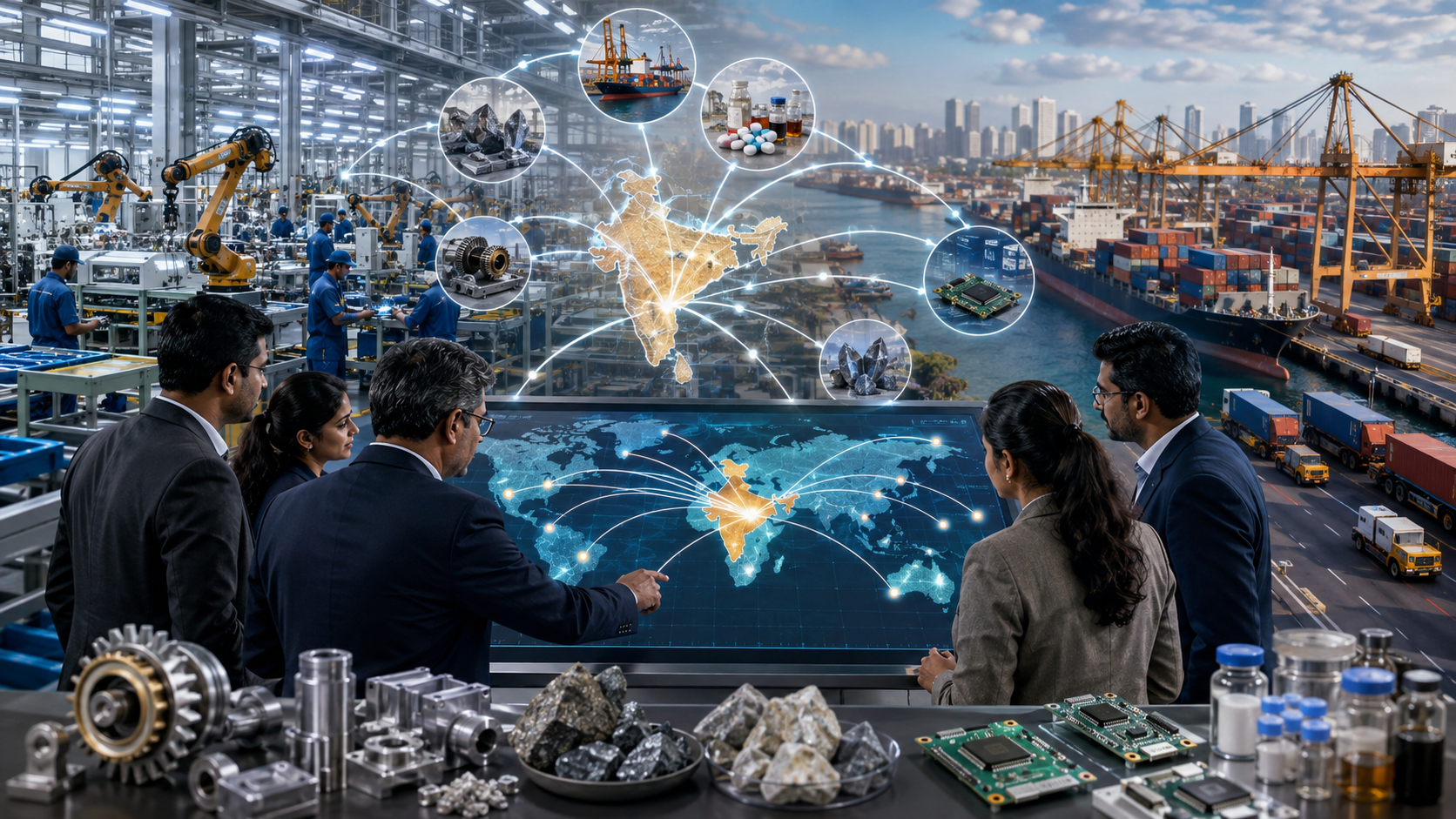
New Delhi, August 20: The government has urged Indian industry to make greater use of free trade agreements, increase value addition, strengthen supply-chain resilience and diversify export markets as the country seeks to expand manufacturing and deepen its participation in global value chains.
Additional Secretary in the Department of Commerce Yashvir Singh said India’s trade agreements create opportunities for businesses, but industry must actively use them to secure market access, attract investment and technology and improve competitiveness.
Speaking at a manufacturing conclave, Singh outlined five strategic priorities for industry as global trade becomes increasingly influenced by geopolitical and economic-security considerations.
Industry urged to improve FTA utilisation
The first priority is greater utilisation of India’s free trade agreements.
Singh urged companies to understand rules-of-origin requirements and map their supply chains accordingly so their products can qualify for preferential tariffs available under trade agreements.
Rules of origin determine whether a product has sufficient economic connection with an FTA partner to receive preferential tariff treatment.
Effective use of these provisions can provide Indian exporters with duty savings and improve their competitiveness in overseas markets.
Singh described India’s trade agreements as doors to new opportunities but stressed that industry must actively walk through them to realise their benefits.
India needs to move up value chain
The government has also called on manufacturers to increase value addition and produce more sophisticated goods.
Capital goods’ share of India’s export basket has already increased from around 13 per cent in 2014 to approximately 19 per cent currently, Singh said.
However, he argued that this transition needs to accelerate.
Moving towards higher-value manufacturing can increase export revenues while helping Indian companies establish stronger positions within global production networks.
Supply-chain resilience becomes priority
Building resilient supply chains was identified as another major strategic requirement.
Singh pointed to China’s concentration in upstream materials as both a risk to the global economy and an opportunity for India to develop alternative production capabilities.
He called for investment in areas including critical minerals, APIs and domestic electronic components.
Developing domestic capabilities in strategically important inputs could reduce exposure to international supply disruptions while strengthening India’s position as an alternative manufacturing hub.
Critical minerals emerge as economic-security issue
China currently dominates significant parts of global processing and refining capacity for critical minerals including rare earths, graphite and magnesium.
These materials are important for clean-energy technologies, advanced electronics and defence manufacturing.
Singh said excessive concentration of such strategically important supply chains in a single country has become a major economic-security risk.
Global governments are consequently pursuing policies aimed at developing domestic or diversified supply chains for strategic technologies and materials.
Exporters asked to diversify markets
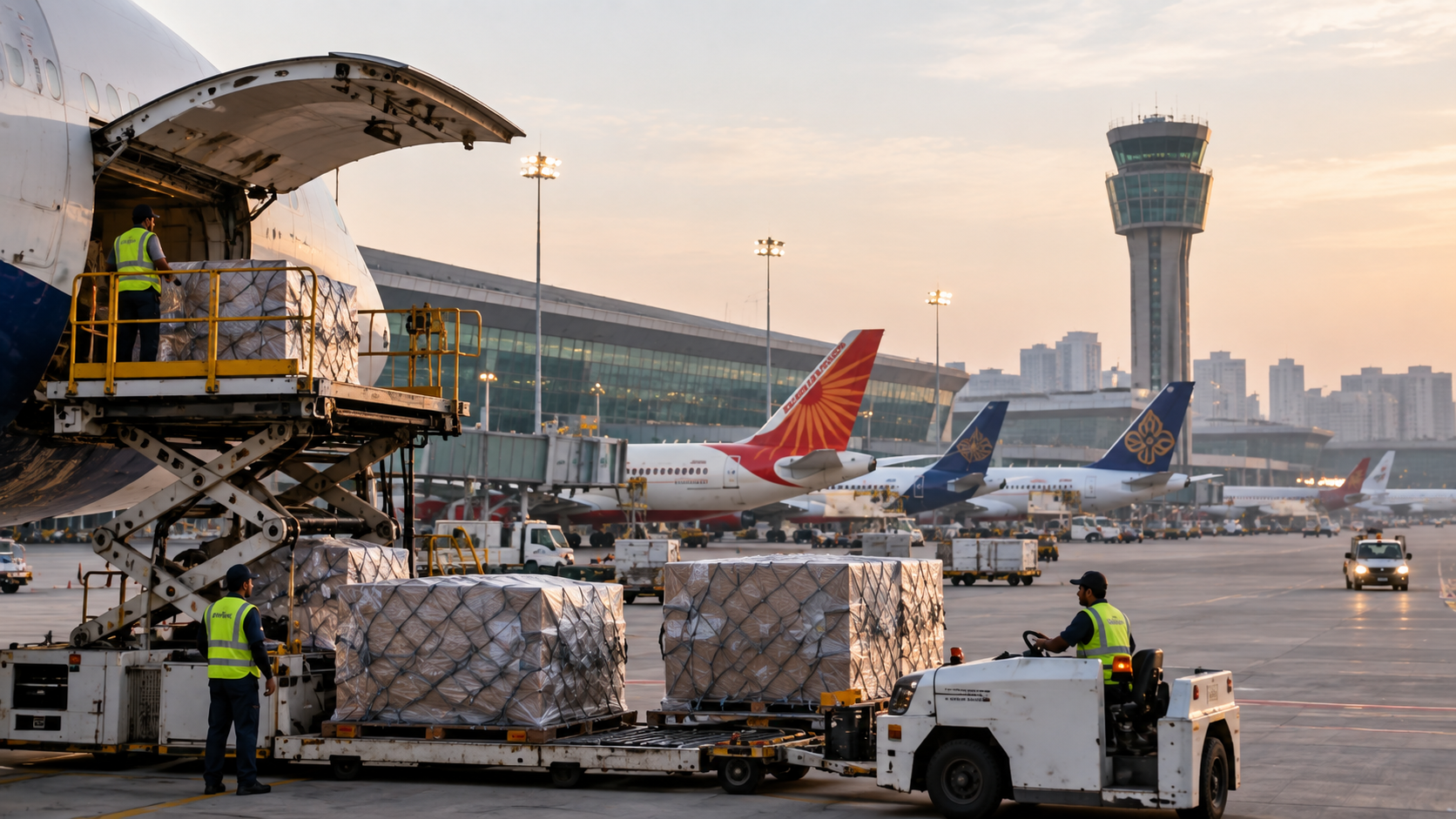
Indian companies were also encouraged to expand into a broader range of international markets rather than depend heavily on a limited number of destinations.
Singh highlighted India’s trade agreements with Oman, New Zealand and Mauritius as examples of arrangements creating preferential access to markets across the Gulf, Oceania and East Africa.
Active market diversification can help exporters reduce exposure to demand fluctuations, tariff changes and geopolitical disruptions in individual markets.
It can also help manufacturers use India’s expanding network of trade agreements to build a wider international customer base.
India should help set global standards
The fifth priority outlined by the government involves technical and technological standards.
Singh said countries that influence technical standards can gain significant advantages in global markets and argued that India needs to move from being primarily a standards taker towards becoming a standards setter.
He cited UPI, ONDC and BharatNet as early examples of India’s ability to develop large-scale digital infrastructure and frameworks.
Industry now needs to build sufficient scale around Indian innovation and standards to strengthen their international relevance, he said.
Global trade enters era of ‘commercial nationalism’
The government official also highlighted fundamental changes taking place in international trade.
Restrictions involving critical minerals are increasingly being used strategically, while technology choke points are being deliberately created, Singh said.
Trade, therefore, is no longer functioning purely as an economic instrument and is increasingly intertwined with geopolitical strategy.
He referred to this emerging environment as “Vyaparik Rashtravad,” or commercial nationalism, where trade instruments can simultaneously serve economic and geopolitical objectives.
Industrial policy returns globally
Singh pointed to measures including the US CHIPS Act, the Inflation Reduction Act and the European Union’s Carbon Border Adjustment Mechanism as evidence of a major return to state-directed industrial policy.
Countries are increasingly supporting strategically important industries, protecting supply chains and encouraging domestic manufacturing.
Against this backdrop, India is positioning itself as a potential source of resilient, transparent and trusted supply chains.
India seeks stronger role in global manufacturing
India’s proposition to global companies rests on factors including democratic institutions, enforceable contracts, digital public infrastructure, a young skilled workforce, growing green manufacturing capabilities and access to a large consumer market.
The government’s ambition, Singh said, should go beyond India simply becoming a “China plus one” destination.
Instead, the objective is to establish the country as a trusted global partner, resilient manufacturing base and major engine of future economic growth.
For Indian companies, achieving that ambition will require greater use of FTAs, deeper domestic manufacturing capabilities, diversified markets and stronger participation in the technologies and standards shaping future global trade.