Capital spending offsets softer consumption
Key Highlights
- India’s industrial activity remains resilient despite softer consumer demand.
- Index of Industrial Production growth averaged 6.3% in the first four months of FY27, up from 4% a year earlier.
- July IIP growth moderated to 6.7%, after reaching an 8.8% 27-month high in June.
- Capital goods and infrastructure-related sectors are emerging as key drivers of industrial expansion.
- Consumer durables grew faster than non-durables, pointing to stronger demand for big-ticket purchases.
- Manufacturing growth is increasingly being supported by investment-intensive sectors including electrical equipment, machinery and transport equipment.
- Economists caution that weak rural incomes, deficient rainfall and El Niño risks could weigh on everyday consumption.
India’s industrial economy is showing continued resilience, with investment-led activity increasingly offsetting weakness in parts of consumer demand. The latest data highlighted in the newspaper report show that the Index of Industrial Production (IIP) grew at an average pace of 6.3% during the first four months of FY27, significantly higher than the 4% growth recorded during the corresponding period a year earlier.
The momentum, however, moderated in July. IIP growth slowed to 6.7%, compared with an 8.8% expansion in June, which had marked a 27-month high. Despite the moderation, the broader trend suggests that industrial activity continues to be supported by higher capital expenditure and infrastructure-related demand.
The composition of growth is particularly significant. Investment-oriented sectors are gaining importance, with capital goods and infrastructure goods registering strong expansion during April-July. According to the report, capital goods output grew 15.4%, while infrastructure and construction goods expanded 7.1% over the period. Intermediate goods also recorded healthy growth.
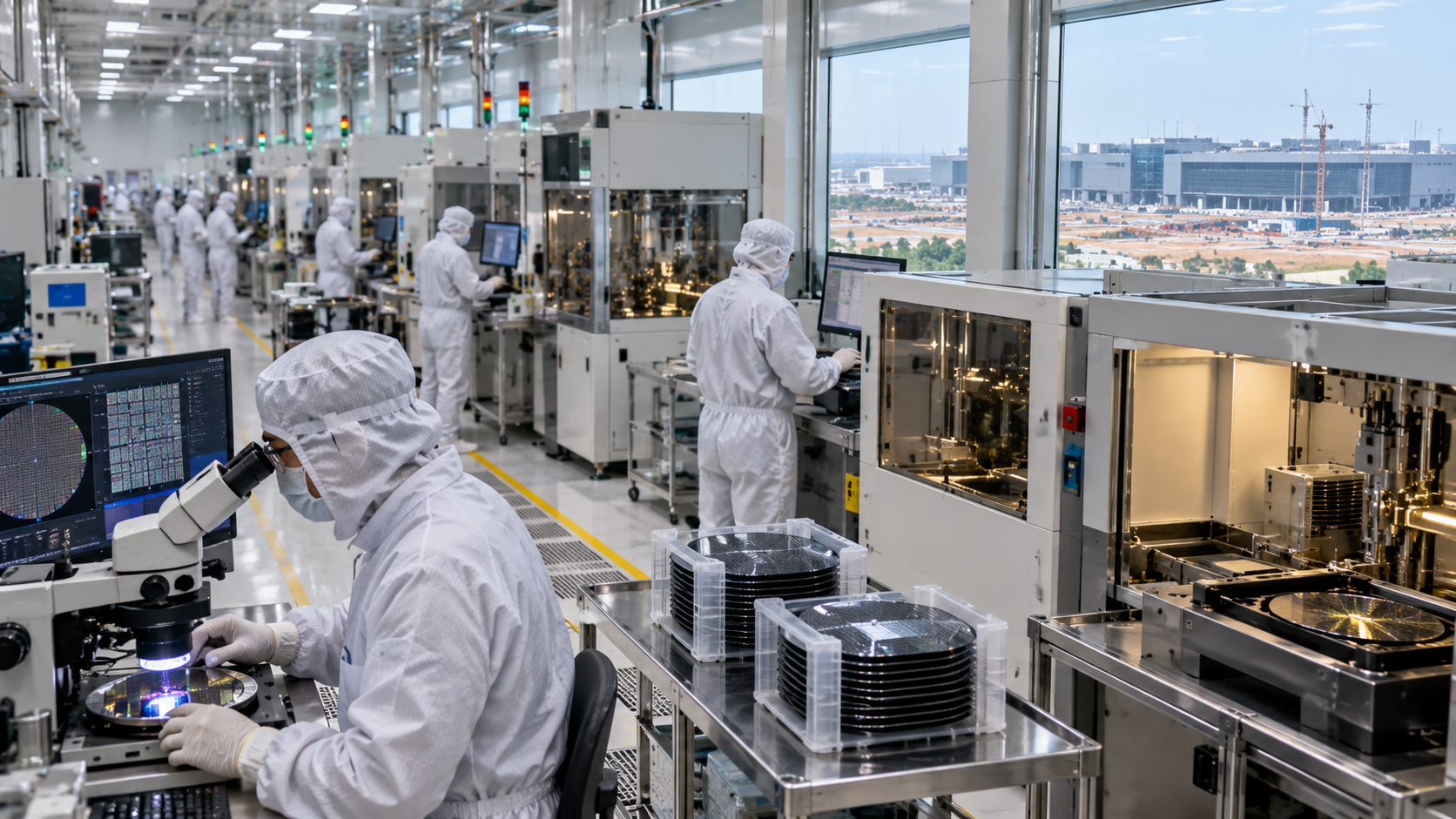
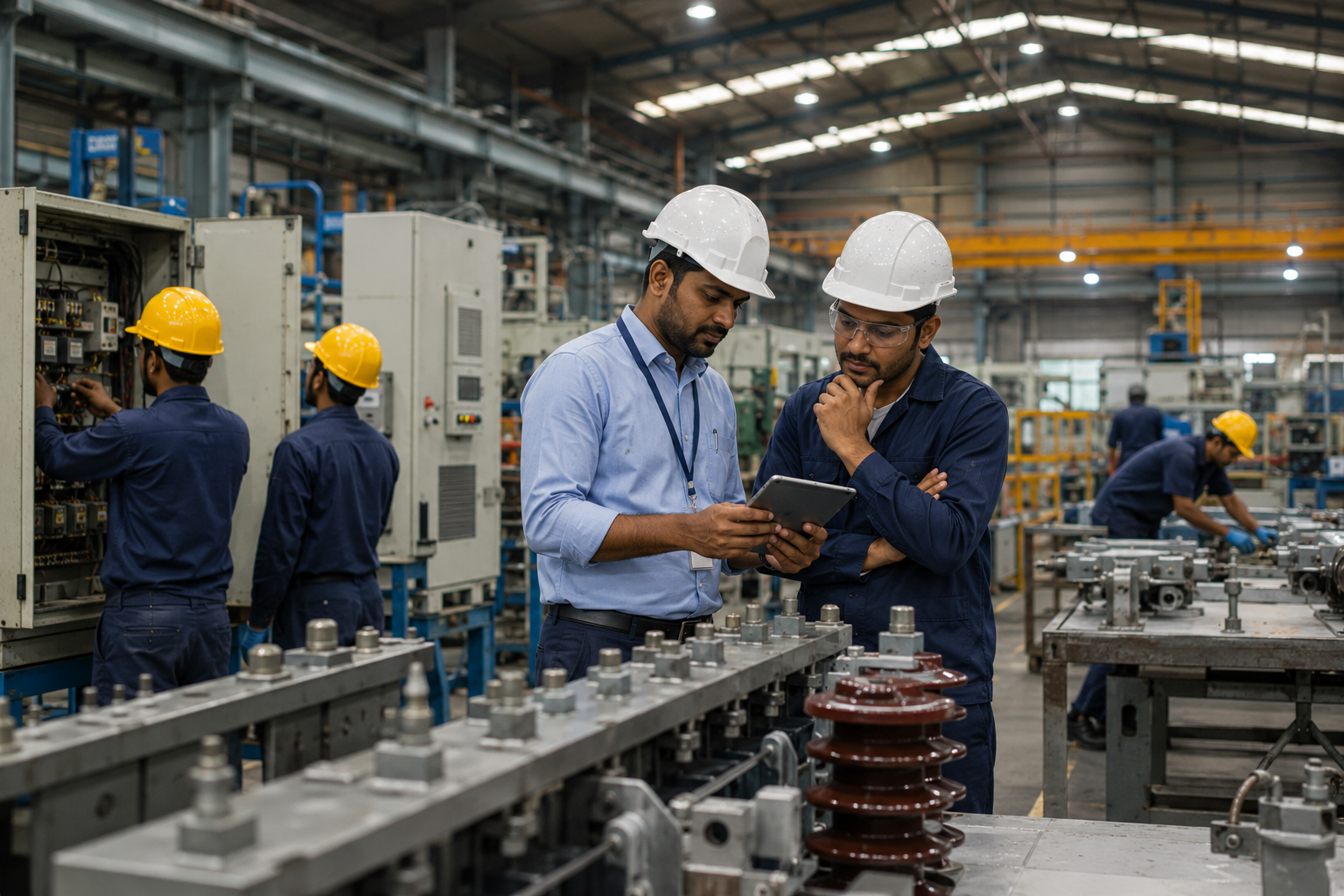
Manufacturing remains at the centre of the recovery. The report points to stronger activity in electrical equipment, machinery, transport equipment and other investment-intensive industries. These sectors are benefiting from increased spending on infrastructure and capacity expansion by both the government and private sector.
Shashwat Singh, an analyst at Bajaj Broking, described the July data as indicative of an increasingly investment- and infrastructure-led growth pattern. The trend suggests that industrial expansion is becoming less dependent on immediate household consumption and more closely connected with capital formation.
The divergence between investment and consumption is becoming increasingly visible. Consumer demand for larger-ticket products remains comparatively strong, while demand for everyday essentials is weaker. Consumer durables recorded growth of around 8.7% during April-July, significantly ahead of consumer non-durables, which grew only 2.6%.
The difference indicates that purchases of vehicles, appliances and other discretionary goods are receiving support from improved credit availability and relatively stronger consumer confidence. At the same time, everyday consumption remains closely linked to rural incomes, wages and agricultural conditions.
Economists have warned that deficient rainfall and the potential impact of El Niño could create additional pressure on rural demand. This could make the recovery uneven, particularly for categories dependent on mass-market and rural consumption.
The report also highlights the role of government and private-sector investment in sustaining industrial momentum. Stronger infrastructure spending, rising capacity utilisation and continued investment in manufacturing are helping create a foundation for longer-term industrial growth.
However, the sustainability of the expansion will depend on whether investment-led growth eventually translates into broader household demand. A stronger rural economy, improving wages and healthy employment conditions could be important in narrowing the current gap between capital expenditure and consumption.
For now, India’s industrial sector appears to be maintaining momentum despite volatility in consumption. The combination of infrastructure spending, capital-goods demand and manufacturing investment provides a positive signal for economic activity, even as policymakers and businesses remain watchful of rural demand and external risks.