Smartphone brands are loading new devices with AI features, but consumers continue to prioritise core specifications. Performance and speed remain the biggest purchase drivers, followed by AI capabilities, battery life and camera quality.
Highlights
- Performance and speed influence 87% of smartphone buyers.
- AI features have emerged as a major factor for 82% of buyers.
- Battery life influences 79% of purchase decisions.
- Camera quality remains important for 77% of consumers.
Artificial intelligence may be the biggest marketing pitch for the latest smartphones, but consumers are still paying close attention to the fundamentals when choosing their next device.
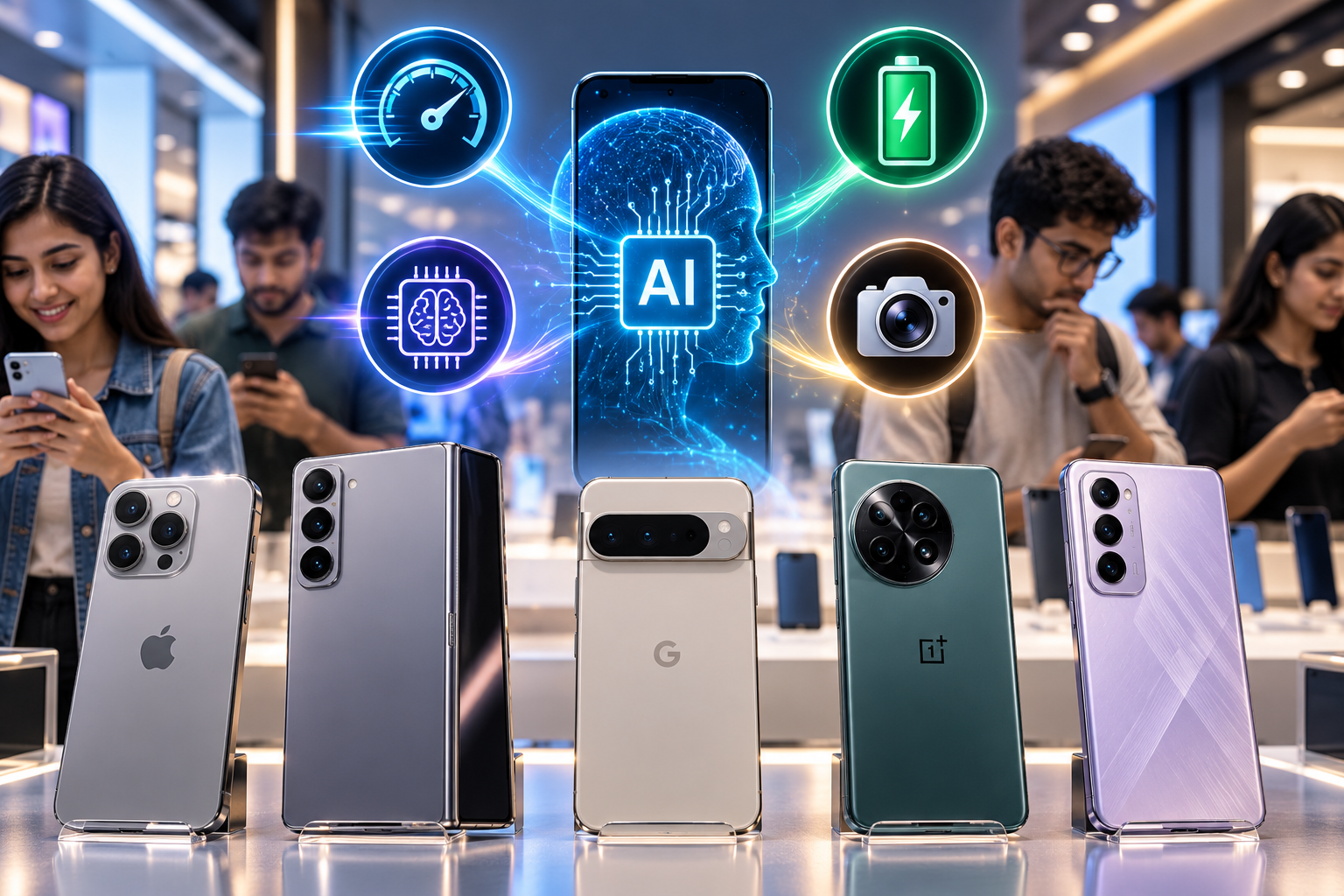
According to Counterpoint Research data cited in the report, performance and speed remain the biggest purchase drivers, influencing 87% of smartphone buyers. AI features follow closely at 82%, showing how quickly artificial intelligence has become an important part of the smartphone buying decision.
Battery life ranks third, influencing 79% of buyers, while camera quality is important for 77%.
The findings come as leading smartphone manufacturers expand AI capabilities across different price segments. These features range from real-time translation and natural-language file search to AI-powered photo editing, transcription and generative tools.
An Amazon India survey of more than 40,000 respondents conducted in July also found that AI features influence the purchase decisions of 82% of smartphone buyers.
Among AI capabilities, contextual assistance was the most sought-after feature, cited by 25% of respondents. Generative photo editing was preferred by 18%, while visual search was cited by 17%.
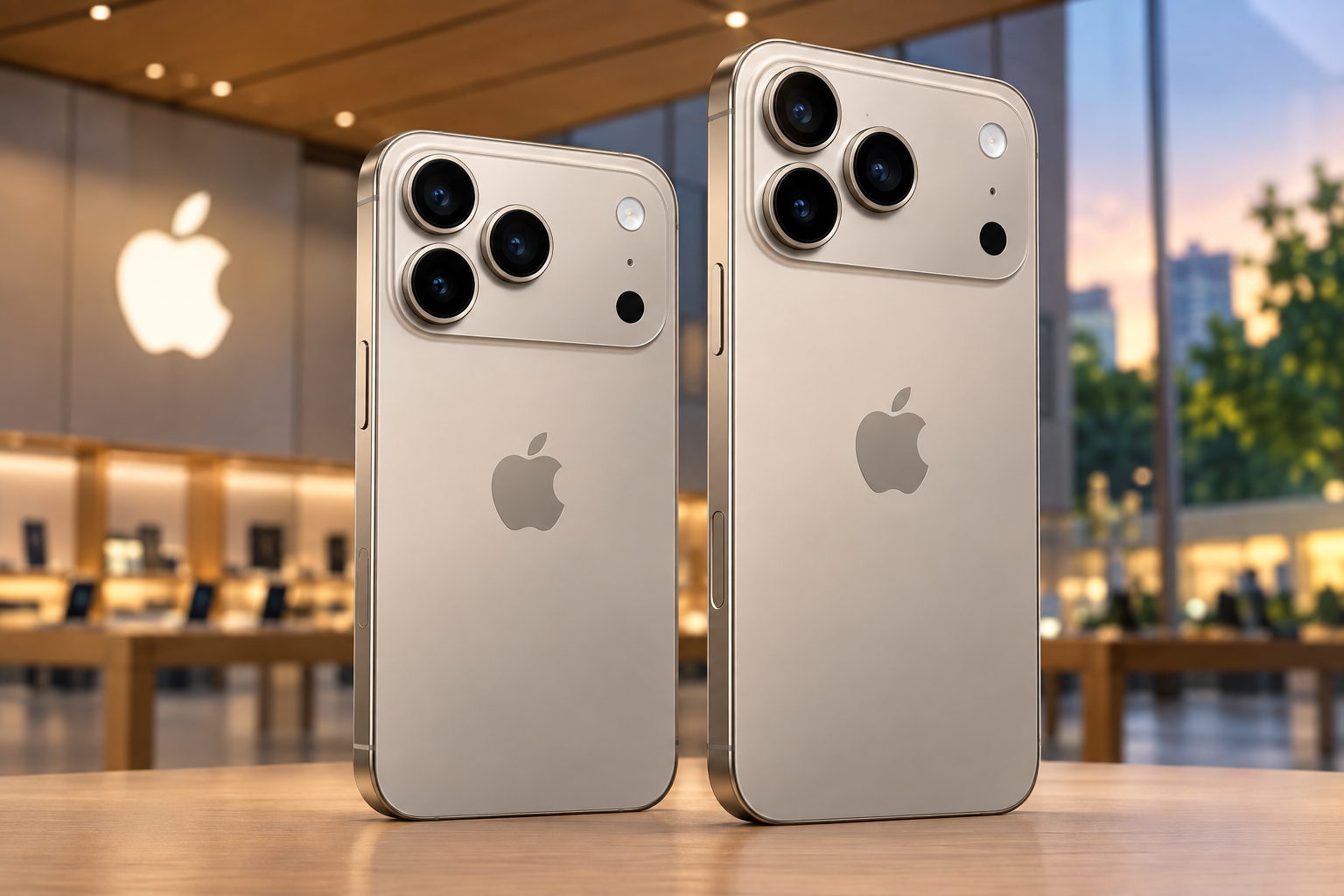
Major smartphone brands are responding by putting AI deeper into their devices. Apple’s upcoming iPhones are expected to use its A20 Pro chip to optimise Apple Intelligence. Samsung continues to integrate Galaxy AI across its latest foldable devices, while Google’s Pixel 11 Pro is expected to offer deeper Gemini integration.
OnePlus is offering AI-powered editing tools such as AI Eraser and Reflection Eraser on the N6, while Oppo is integrating AI more deeply into the Reno 16 5G’s personal memory system and hardware.
Despite the rapid adoption of AI, the findings suggest that smartphone buyers are not abandoning traditional priorities. A device still needs to deliver strong everyday performance, reliable battery life and a good camera before advanced AI features can become a decisive advantage.