Central Warehousing Corporation plans to leverage its network of over 950 warehouses and EXIM facilities to strengthen India’s agricultural export supply chain. The initiative aims to reduce post-harvest losses, logistics costs and export rejections.
Highlights
- India produces around 360 million tonnes of fruits and vegetables annually.
- Around 25–30% of produce is estimated to be lost after harvest.
- CWC operates a network of over 950 warehouses across India.
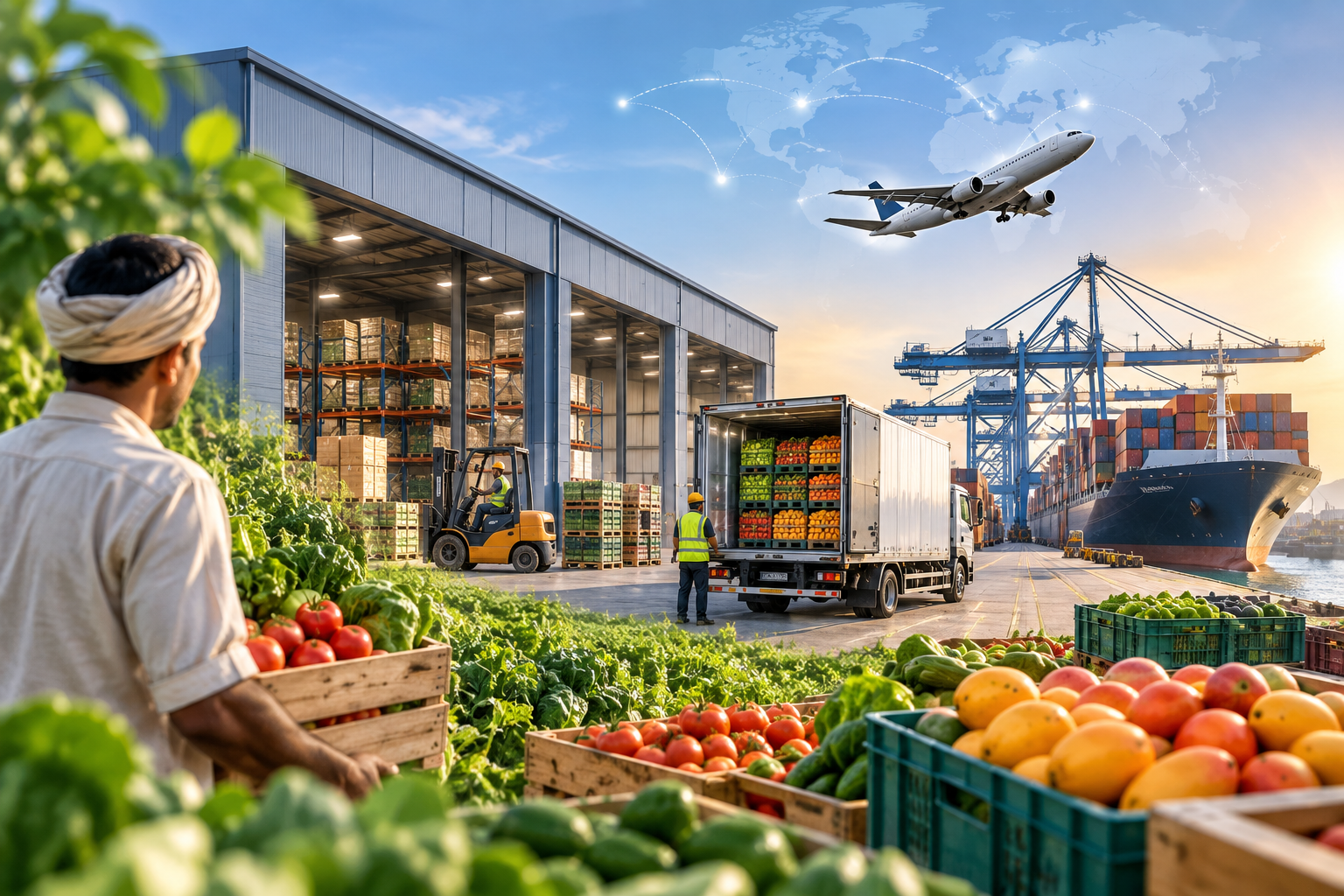
- It aims to provide farm gate-to-customer integrated logistics solutions.
Central Warehousing Corporation (CWC) is looking to strengthen India’s agricultural export logistics by offering integrated solutions aimed at reducing post-harvest losses, lowering logistics costs and making Indian farm produce more competitive in global markets.
CWC Managing Director Santosh Sinha said the state-run warehousing major plans to leverage its extensive storage and EXIM network to provide exporters with a more integrated supply-chain system.
India produces around 360 million tonnes of fruits and vegetables every year. However, an estimated 25–30% of this produce is lost after harvest because of inadequate storage facilities, gaps in the cold chain and logistics bottlenecks, Sinha said at an event organised in association with PHD Chamber of Commerce and Industry (PHDCCI).
CWC started operations in 1957 with only seven warehouses, primarily to address distress sales by farmers due to inadequate storage. It has since expanded to more than 950 warehouses across the country.
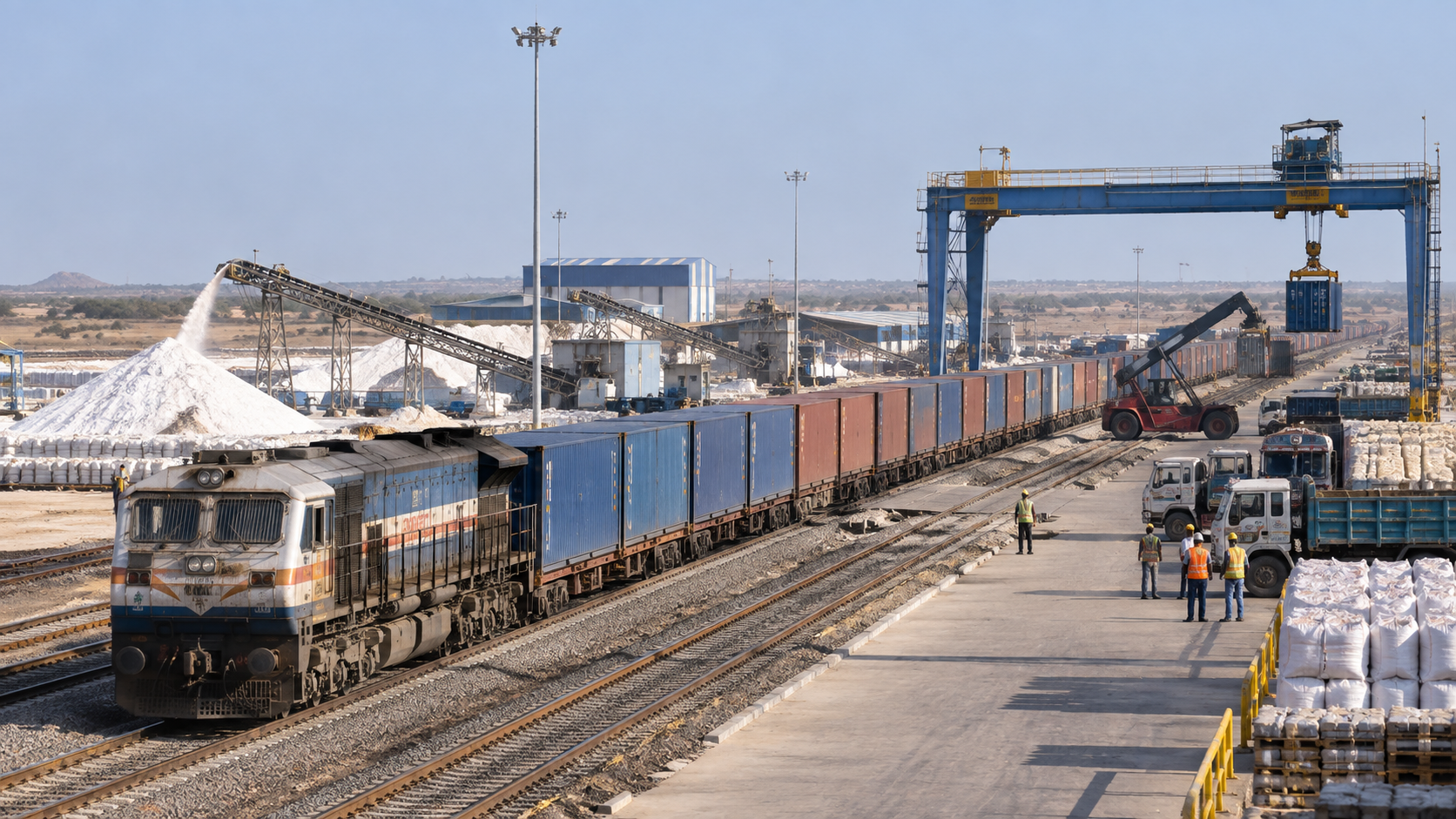
The corporation also has a presence at major ports, Inland Container Depots (ICDs) and Container Freight Stations (CFSs). CWC now aims to use this network to provide single-window logistics solutions covering the journey from the farm gate to the final customer.
The proposed system would integrate road, air and coastal transportation to help exporters lower logistics costs.
CWC is also working on cost-effective, commodity-specific cold-storage solutions, including through a collaboration with IIT Delhi. Digital and artificial intelligence-based container tracking systems are also being introduced at key facilities to improve visibility and efficiency.
Sinha said CWC’s technical expertise in phytosanitary services could also help exporters meet international requirements and reduce the risk of Indian agricultural consignments being rejected overseas.
Industry representatives stressed that warehousing needs to move beyond conventional storage. Integrated facilities offering sorting, grading, packaging, labelling, quality testing, temperature-controlled storage and traceability could play a major role in improving India’s agri-export competitiveness.
Greater use of real-time inventory management, end-to-end traceability and temperature monitoring is also expected to help Indian exporters meet global quality standards while reducing wastage across the supply chain.