Online Demand Targets ₹1.5 Lakh Crore
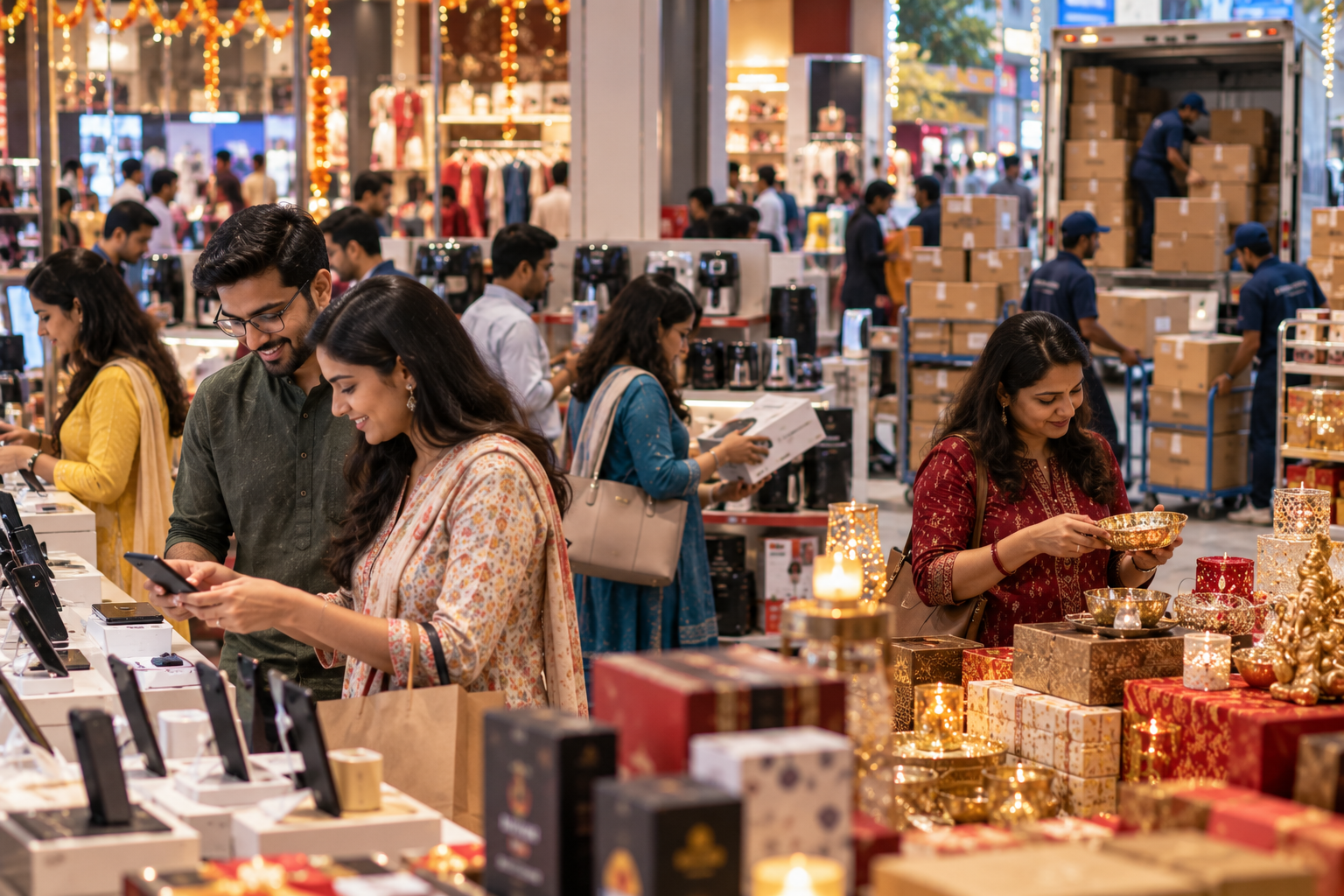
India is heading into the festive season with expectations of strong consumer spending, as online festive-season sales are projected to cross ₹1.5 lakh crore in 2026, according to consumer research firm Datam Intelligence.
The estimate represents a significant increase from the approximately ₹1.2 lakh crore recorded through online festive-season sales in 2025. The anticipated rise highlights the continued expansion of India’s e-commerce market as consumers increasingly use digital platforms for a broader range of festive purchases.
The main festive shopping period is expected to begin in the first week of October and continue through November, covering major shopping occasions around Navratri, Dussehra and Diwali.
Beyond higher sales, the seasonal surge is expected to generate employment across e-commerce, logistics, warehousing, delivery and related services. Datam Intelligence estimates that around 2.6 lakh young people could secure temporary employment during the festive period.
E-Commerce Basket Broadens
One of the notable changes in India’s online festive market is the widening range of products being purchased through digital platforms.
Smartphones and apparel have traditionally been among the biggest festive shopping categories. However, consumers are increasingly buying personal-care products, beauty items, groceries, consumer goods and gold online.
Mobile phones are projected to account for around 29% of online festive-season sales this year, compared with 38% in 2024. The decline in share does not necessarily indicate weaker smartphone demand; rather, it reflects the rapid expansion of other categories across the online retail ecosystem.
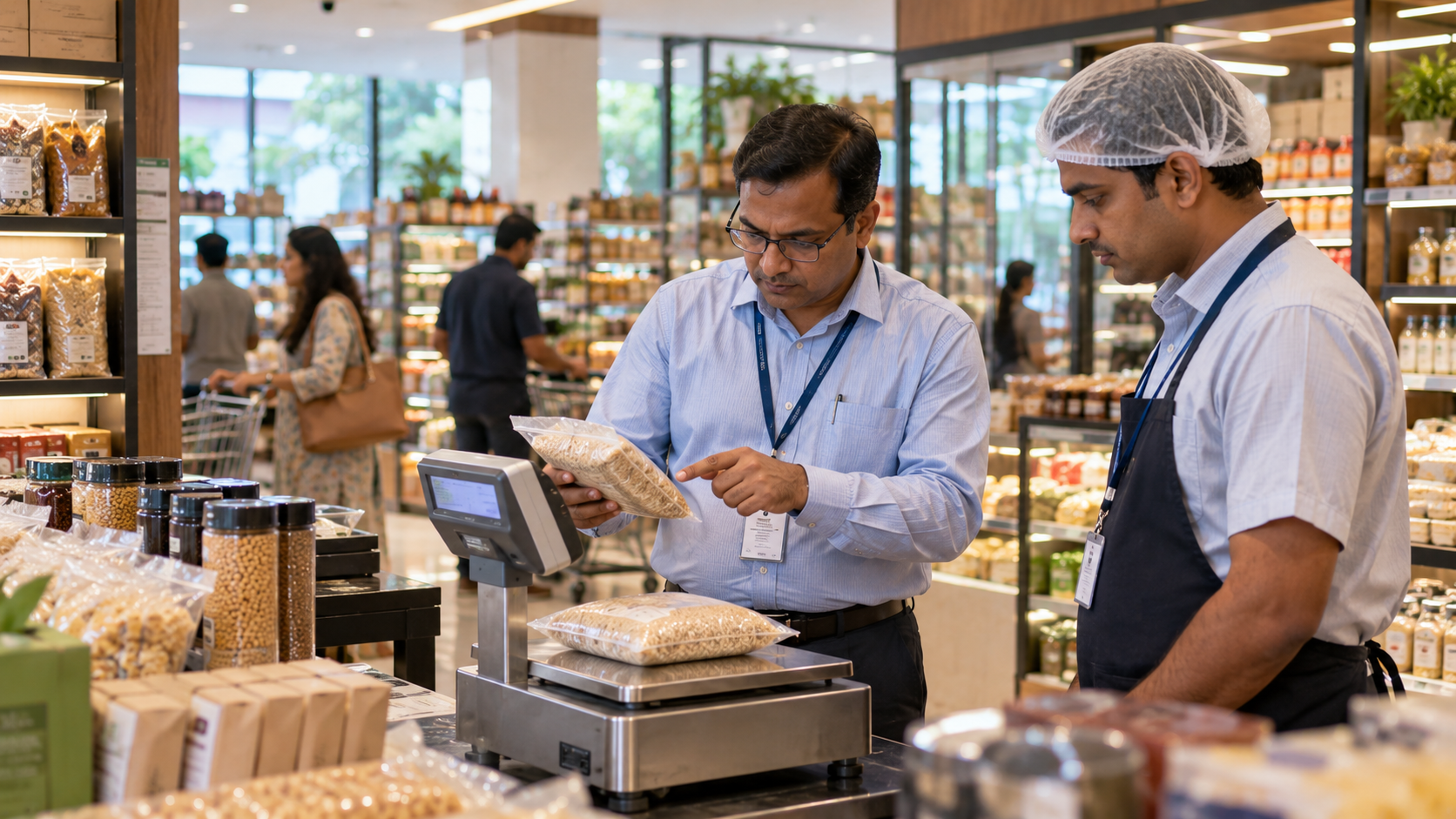
Grocery is one of the categories benefiting from this diversification. The growing popularity of quick-commerce platforms is encouraging consumers to purchase everyday products online, including during periods of heightened festive demand.
According to the Datam Intelligence report, groceries have increased their share of online festive sales by around 2.5 percentage points over the past two years.
This shift suggests that festive e-commerce is becoming less dependent on large-ticket discretionary products and increasingly integrated into routine household consumption.
Smaller Cities Drive Growth
The expansion of online festive shopping is also reaching beyond India’s major metropolitan markets.
Cities such as Ranchi, Jalandhar and Kochi are witnessing increasing online demand as consumers in smaller urban centres become more comfortable with digital shopping, faster deliveries and online payment systems.
For e-commerce companies, this broader geographic demand is creating the need for additional logistics capacity and seasonal workers.
Amazon India, for instance, has announced plans to create 1.6 lakh seasonal employment opportunities during the festive period. The company’s network includes around 20 lakh sellers, while its integration with smaller offline retailers has also expanded.
Around 56,000 local shops have been connected to Amazon’s platform, according to the company.
The combination of online marketplaces, local sellers, delivery networks and quick-commerce operators is therefore creating a broader retail ecosystem around the festive season.
Offline Retail Also Gains
The expected increase in online shopping is not coming at the expense of physical stores alone. Offline retailers are also anticipating stronger festive demand this year.
Confederation of All India Traders Secretary General Praveen Khandelwal said offline retailers recorded sales of around ₹6.5 lakh crore during last year’s festive season and expects the figure to increase this year.
The outlook suggests that India’s festive consumption cycle is likely to benefit both organised and traditional retail channels.
Physical stores continue to play an important role in categories where consumers prefer to see, test or compare products before making a purchase. Festive discounts, financing offers and local shopping traditions are also expected to keep footfall strong.
At the same time, online marketplaces are benefiting from wider product selection, convenience, home delivery and digital payment options.
The result could be a festive retail season in which online and offline channels grow alongside each other rather than competing purely for the same consumer spending.
Automobiles Prepare For Festive Demand
The automobile industry is another sector preparing for a potential increase in festive purchases.
Passenger-vehicle dealers have begun stocking models that typically see stronger demand around Navratri and Diwali. This comes against the backdrop of higher monthly vehicle sales during the current financial year.
Festive periods traditionally account for an important share of annual vehicle purchases in India, with manufacturers and dealers offering discounts, financing schemes and new models to attract customers.
A stronger festive season could therefore provide an additional boost to automobile demand and related sectors such as auto components, financing, insurance and logistics.
Wider Economic Impact
The importance of the festive season extends well beyond retailers and e-commerce companies.
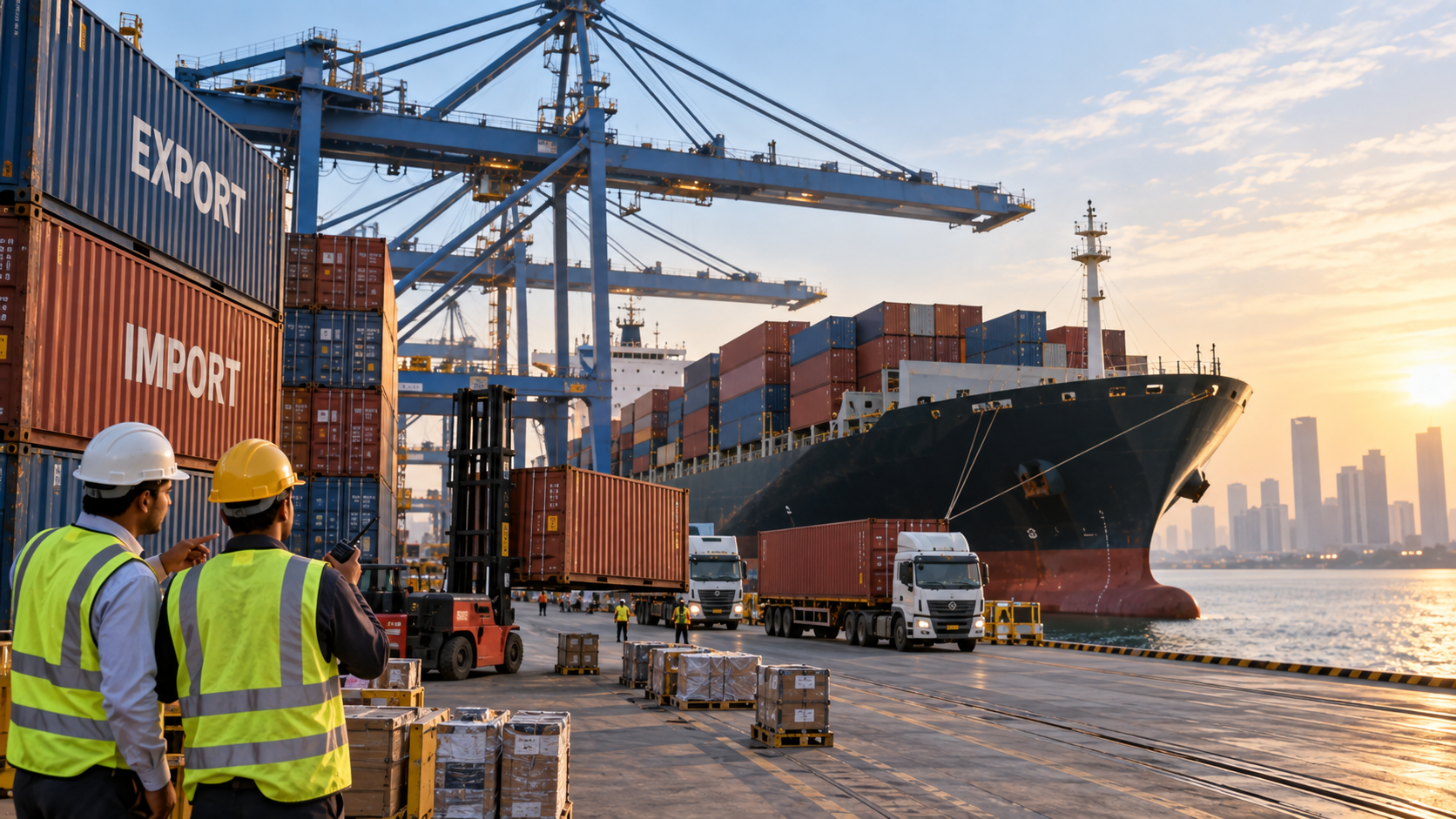
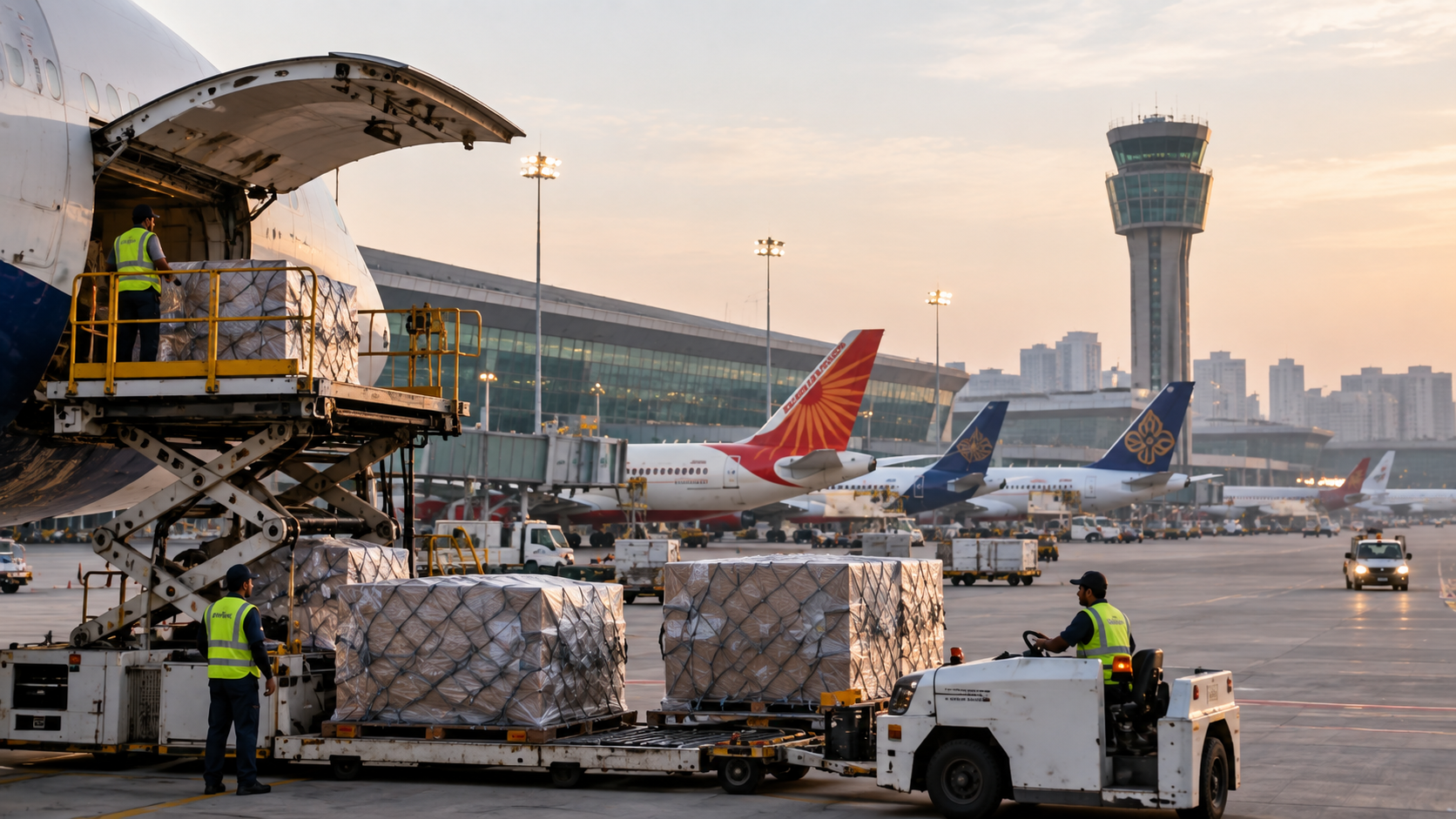
Higher consumer spending can generate additional activity across manufacturing, transportation, warehousing, delivery services, advertising, payments and financial services.
Seasonal hiring can also provide temporary income opportunities to younger workers, particularly in logistics and fulfilment operations.
Economists cited in the report, however, caution that the broader economic impact will ultimately depend on actual spending during the festive quarter. Strong expectations do not necessarily translate into equivalent realised consumption.
Nevertheless, the projected ₹1.5 lakh crore online sales milestone points to the growing importance of digital commerce in India’s consumption economy.
The changing product mix is equally significant. As grocery, beauty, personal care, consumer goods and other categories gain ground, festive e-commerce is evolving from a smartphone-and-fashion-driven market into a much broader consumer ecosystem.
With smaller cities joining the digital shopping boom and offline retailers preparing for higher footfall, India’s 2026 festive season could become an important test of the strength and breadth of domestic consumption.