Indian exporters face a new era of green trade as the European Union’s Carbon Border Adjustment Mechanism turns embedded emissions into a direct cost of accessing international markets.
The European Union’s Carbon Border Adjustment Mechanism (CBAM) entered its definitive regime on January 1, 2026, marking a significant change in international trade. The mechanism currently covers cement, iron and steel, aluminium, fertilisers, electricity and hydrogen, requiring EU importers to account for embedded emissions in covered imports and bear the applicable carbon cost through CBAM certificates.
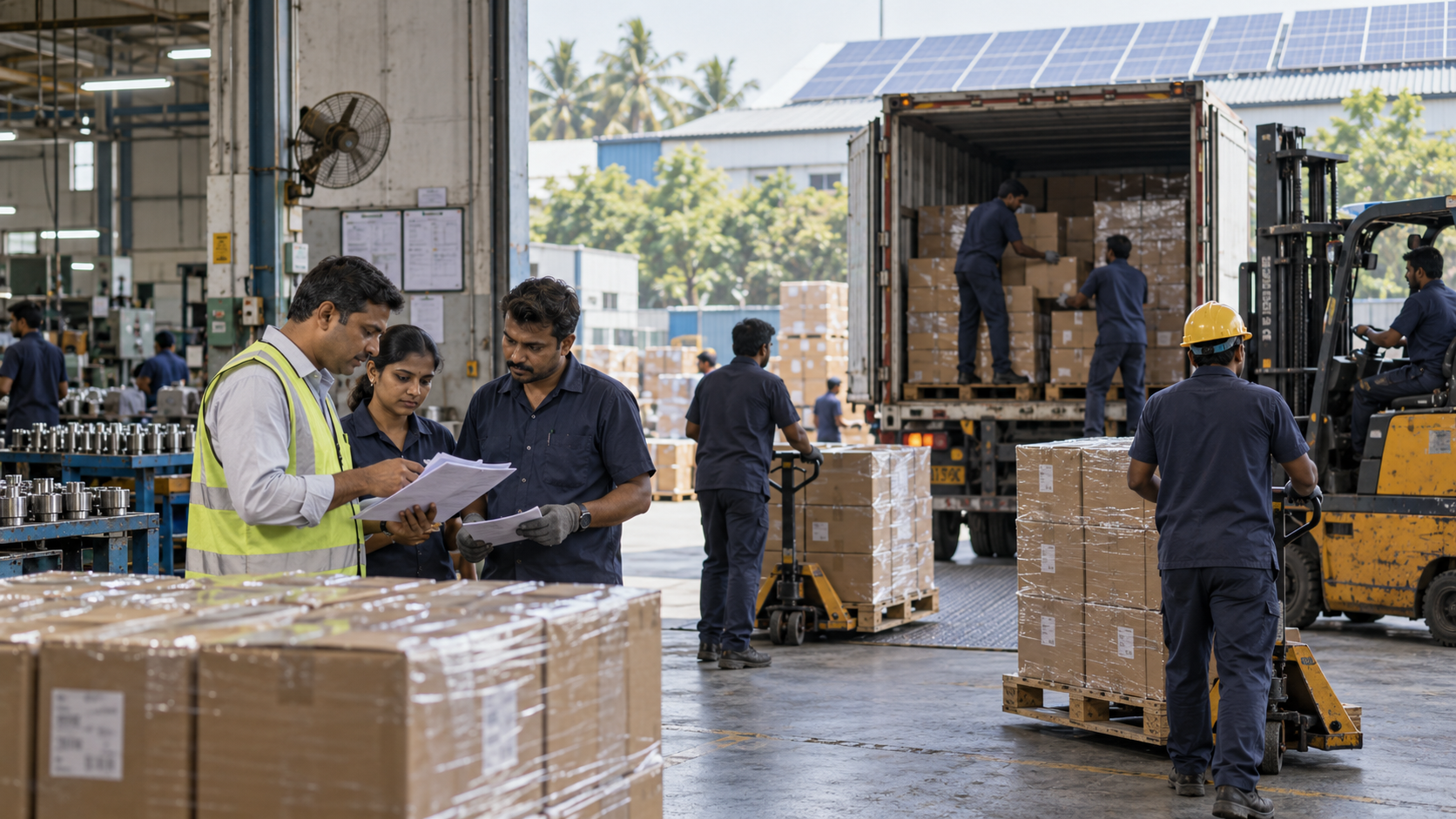
For Indian exporters, carbon competitiveness is increasingly becoming trade competitiveness. Unlike traditional tariffs imposed at the border, carbon-related costs begin inside factories, where electricity sources, fuel efficiency, technology, raw materials, production processes and waste management determine the emissions embedded in a product.
Under the definitive CBAM regime, importers of covered goods must declare embedded emissions and surrender corresponding certificates. Where an eligible carbon price has already been paid in the country of production, the corresponding amount can be deducted under applicable EU rules.
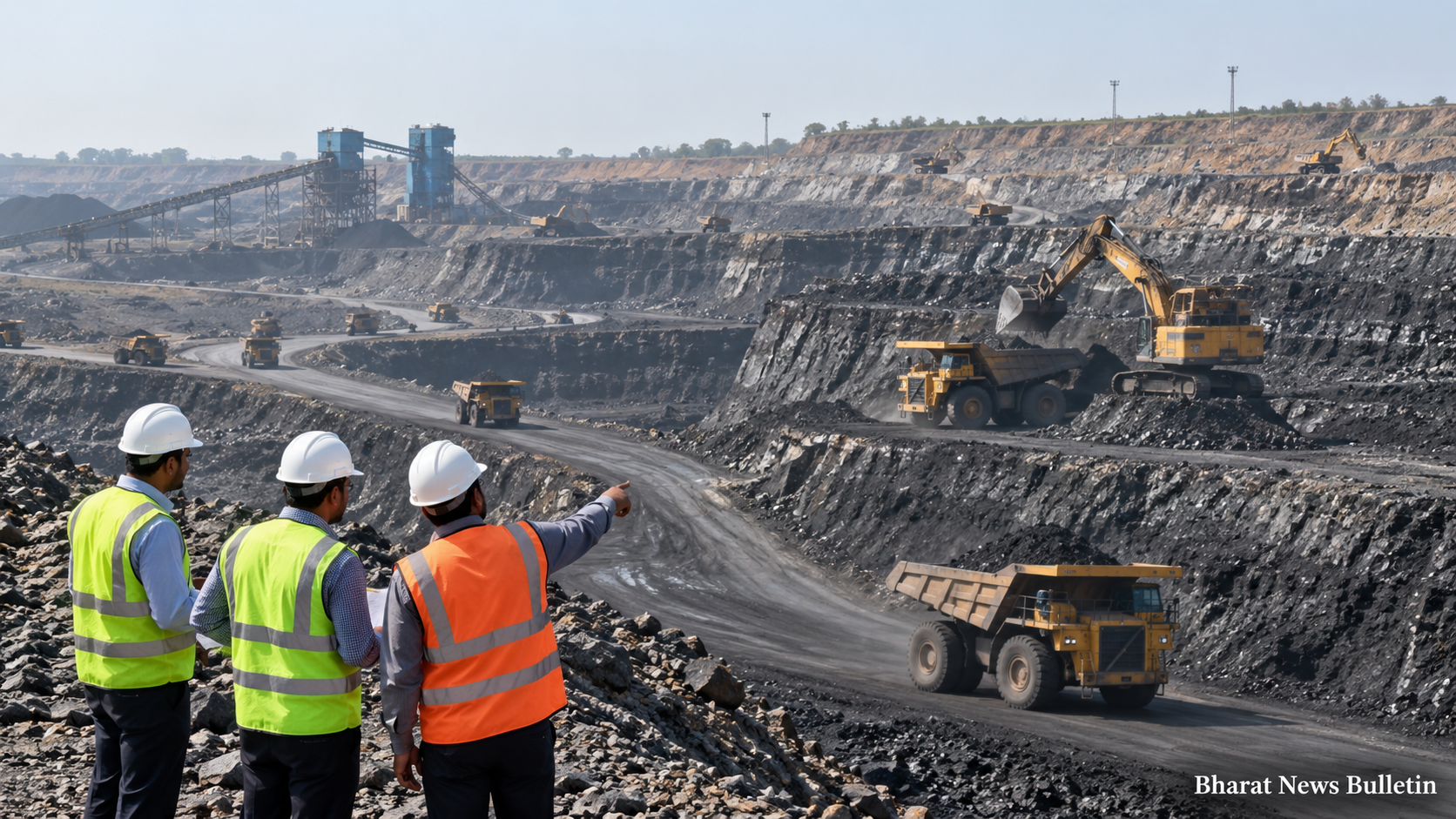
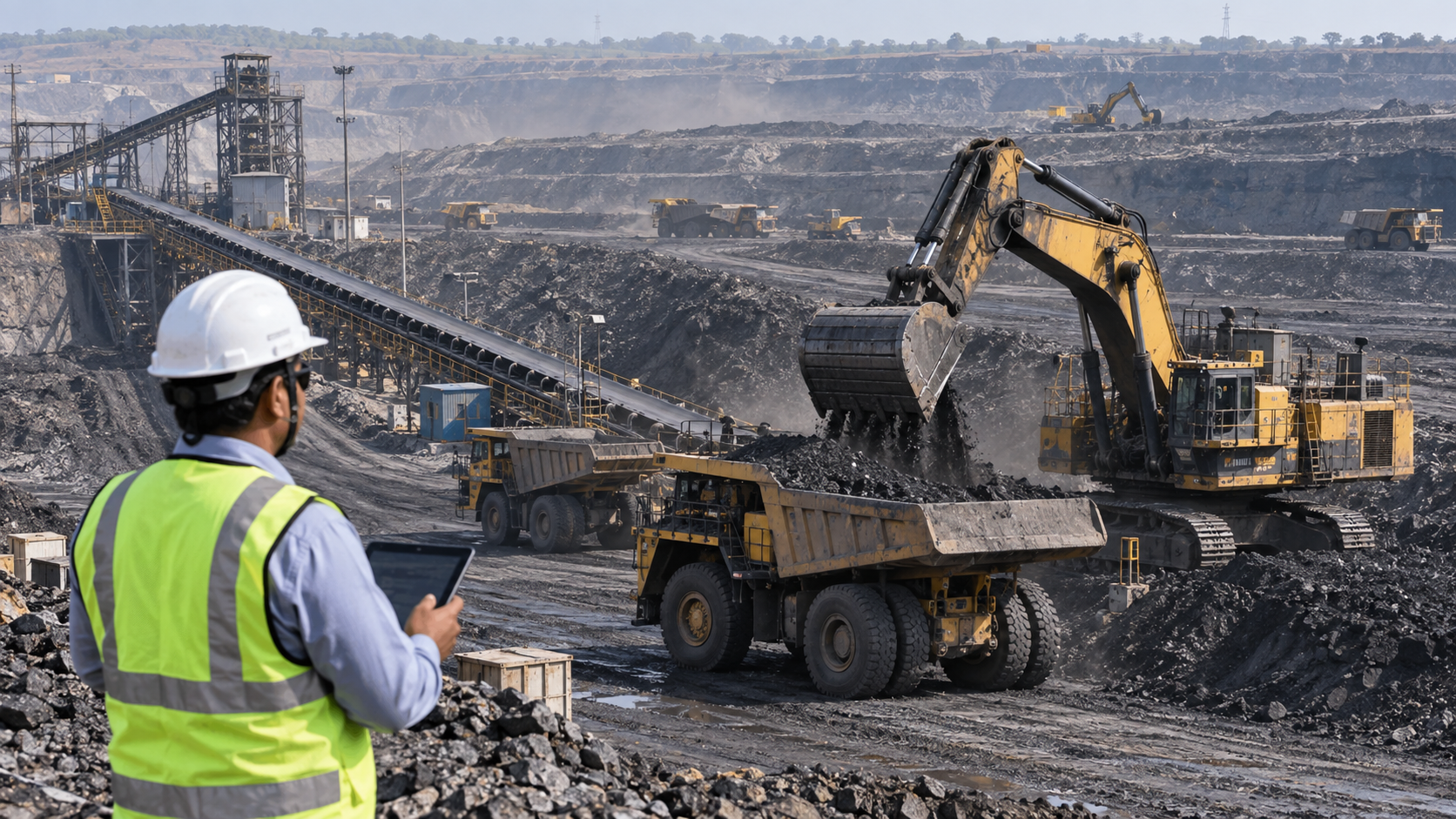
CBAM levies are projected to add an effective tax burden of 20% to 35% on carbon-intensive Indian exports. More than 25% of India’s iron, steel and aluminium exports to Europe, representing billions of dollars in trade, fall under immediate high-risk exposure. Exporters unable to provide verified unit-level Scope 1 and Scope 2 emissions data may also face punitive EU default values based on upper emissions thresholds of global production.
Indian companies across steel, aluminium, cement, chemicals, automobiles, textiles, engineering and other energy-intensive industries have increasingly incorporated renewable energy, energy efficiency, electrification, recycling, sustainable sourcing and emissions monitoring into their strategies. Companies are also investing in captive renewable power, renewable energy purchase arrangements and emissions measurement across operations and supply chains.
India has raised its Paris Agreement target for reducing the emissions intensity of its economy to 45% below 2005 levels by 2030. The country’s Carbon Credit Trading Scheme is also creating the foundations of a domestic carbon market, with greenhouse-gas emission-intensity targets and carbon-credit mechanisms gradually being introduced across sectors.
Exporters can further prepare for carbon-linked trade through digital carbon accounting systems capable of tracking product-level emissions, IoT-enabled monitoring of energy consumption and production emissions, and third-party verification. Transitioning manufacturing operations towards renewable power, electrification and green hydrogen can further reduce embedded emissions.
India’s domestic carbon-pricing framework could also become important for exporters. Under CBAM rules, qualifying carbon prices already paid in the country of origin can be taken into account when determining the applicable border adjustment.
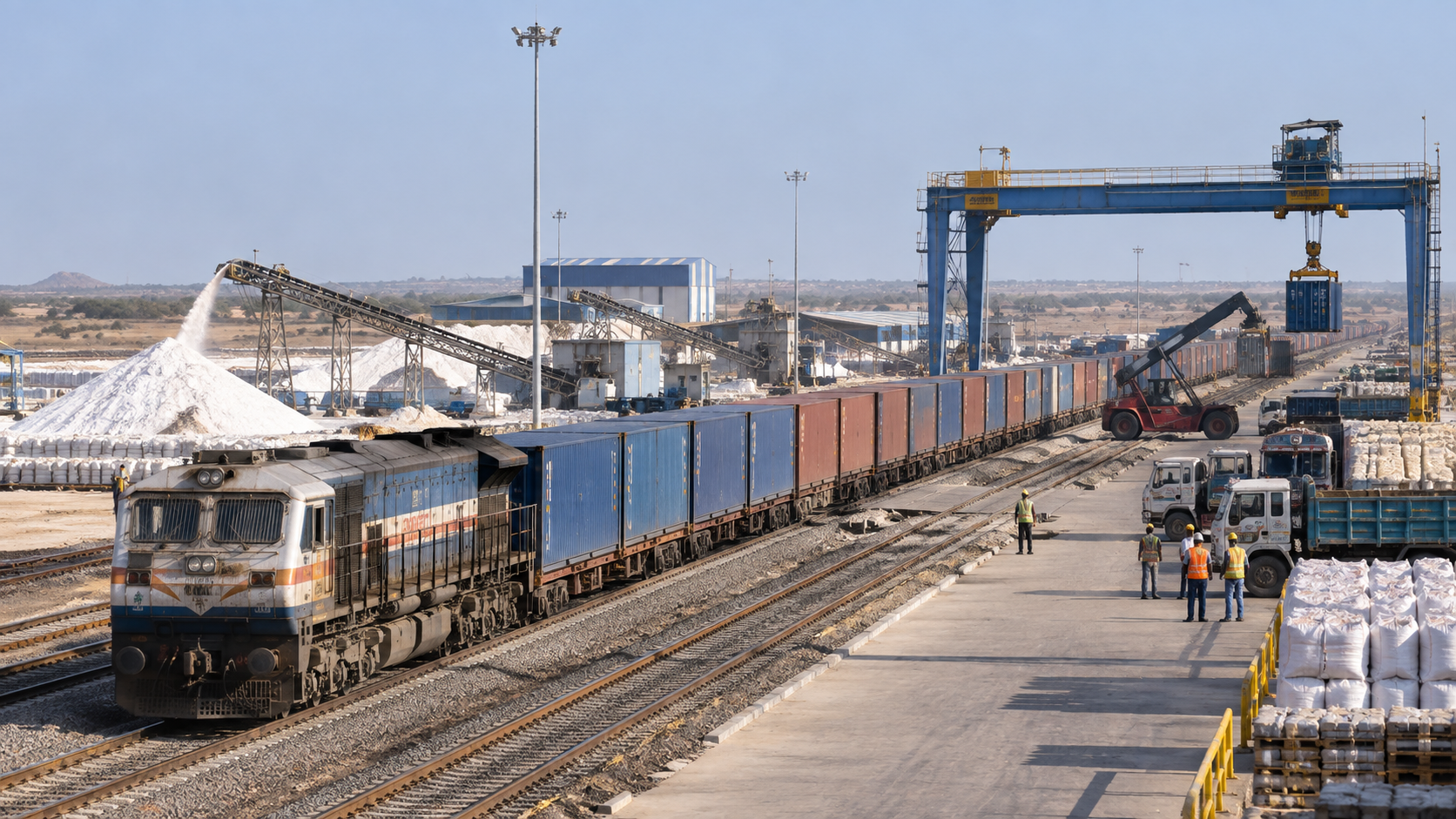
Trade diversification provides another potential strategy. Indian exporters can expand their presence across markets in the Global South, Southeast Asia and the Middle East while adapting production systems to increasingly stringent carbon requirements in other markets.
The transition towards green trade presents both compliance costs and an opportunity for industrial transformation. Investments in cleaner power, emissions tracking and lower-carbon production technologies could help Indian manufacturers compete for high-value green supply contracts as environmental performance becomes an increasingly important condition of international trade.