New Delhi says energy security and national interests will guide its sourcing decisions as a US sanctions bill opens the door to tariffs of up to 100% on major buyers of Russian energy.
Highlights
- India says it will continue to prioritise energy security for its 1.4 billion people while deciding where to source oil and gas.
- The US House passed the Lindsey O. Graham Sanctioning Russia and Iran Act of 2026 by 262-159 after the Senate approved it 86-11 in August.
- The legislation would authorise the US President to impose tariffs of up to 100% on major purchasers of Russian energy; it does not itself automatically impose the maximum tariff.
New Delhi: India has signalled that its energy-security requirements and national interests will continue to determine its crude-oil sourcing decisions despite the prospect of higher US tariffs on countries purchasing Russian energy.
The development follows passage of the Lindsey O. Graham Sanctioning Russia and Iran Act of 2026 by the US House of Representatives. The House approved the legislation by 262 votes to 159 after it had earlier cleared the Senate by an 86-11 vote.
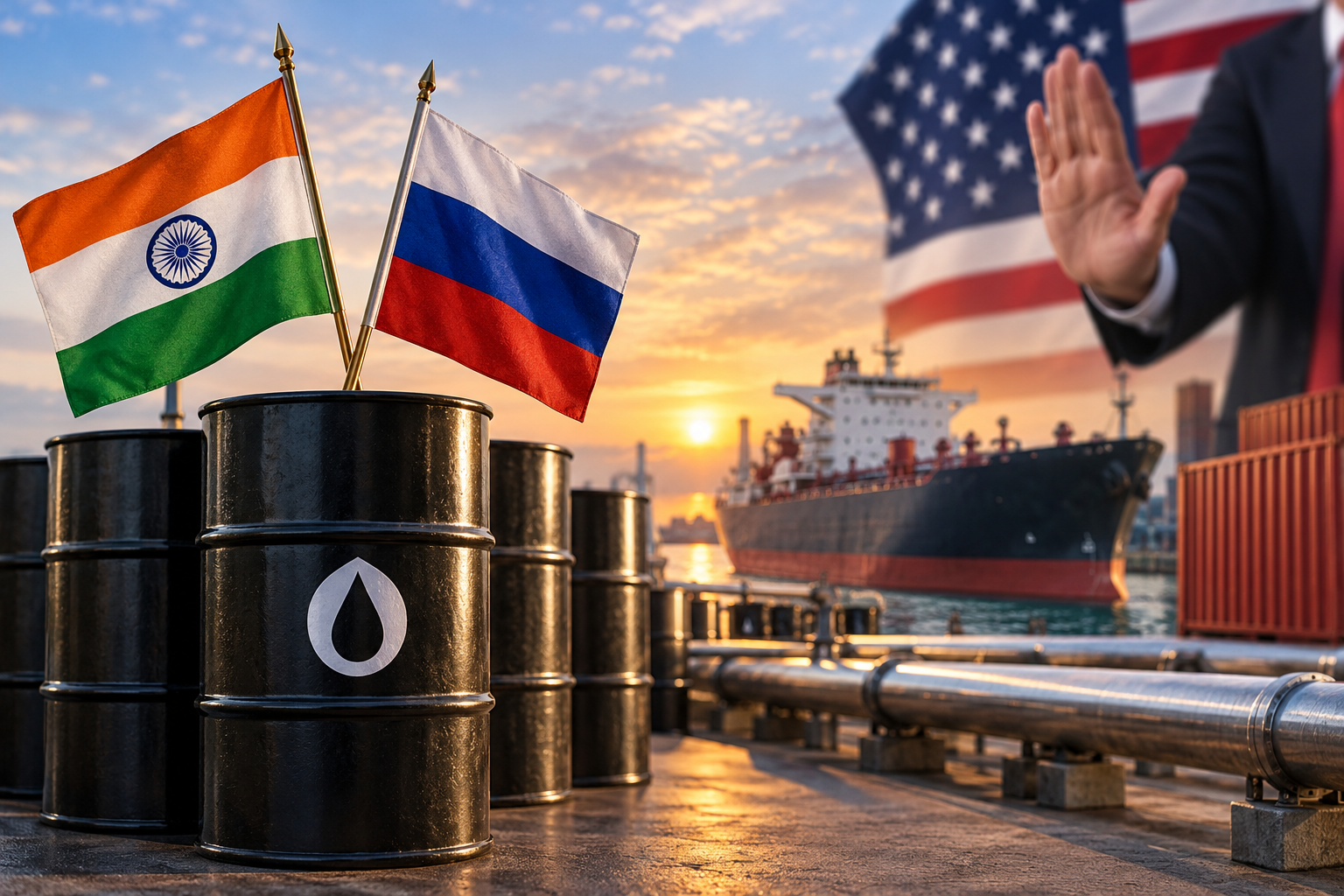
The legislation would give US President Donald Trump authority to impose tariffs of up to 100% on major buyers of Russian oil and gas, potentially affecting countries including India and China. The legislation authorises such tariffs rather than automatically applying a 100% levy.
Responding to the development, India’s Ministry of External Affairs reiterated that the country remains committed to ensuring energy security for its 1.4 billion people. New Delhi said it would continue diversifying its energy sources while responding to changing market dynamics.
India has also said that the possible implications of the US legislation for the bilateral relationship and the international energy market have been communicated during discussions with American interlocutors.
Russian crude remains an important part of India’s energy basket. Russia accounted for about 30.3% of India’s crude imports by value in FY2026, according to industry data cited by Economic Times.
The issue comes at a sensitive time for global energy markets. Industry executives have said replacing Russian crude quickly would be difficult for Indian refiners given constraints on alternative supplies, particularly amid wider geopolitical disruptions.
For India, the central issue is maintaining reliable and affordable energy supplies while managing its trade relationship with Washington. New Delhi says its response to any future trade measures will be guided by its national interests and evolving market conditions.