White goods: Will PLI infuse much needed growth?

The PLI Scheme for the white goods sector is aimed at incentivising value addition, scale and export promotion. However, the policy implementation roadmap must be cognisant of the growth needs of MSMEs, and also the ‘illusion’ of growth in domestic manufacturing.

  • With an outlay of Rs 6,238 crore meant to be expended by 2025, the objective of the PLI Scheme for white goods is to support and incentivize existing producers and provide growth opportunities in domestic manufacturing.
  • In 2019, the Indian Appliances and Electronic industry was valued at Rs 76,400 crore and it is forecast that by 2025, that number would be Rs 1.48 lakh crore, a near 100% growth.
  • A strong future notwithstanding, these incentives under PLI are also meant to diversify the industry and promote further competition.
  • Foreign companies that avail of these benefits should be required to purchase a defined percentage of their inputs/intermediate goods required for manufacturing from local sources.
White Goods_TPCI

Image source: Pexels

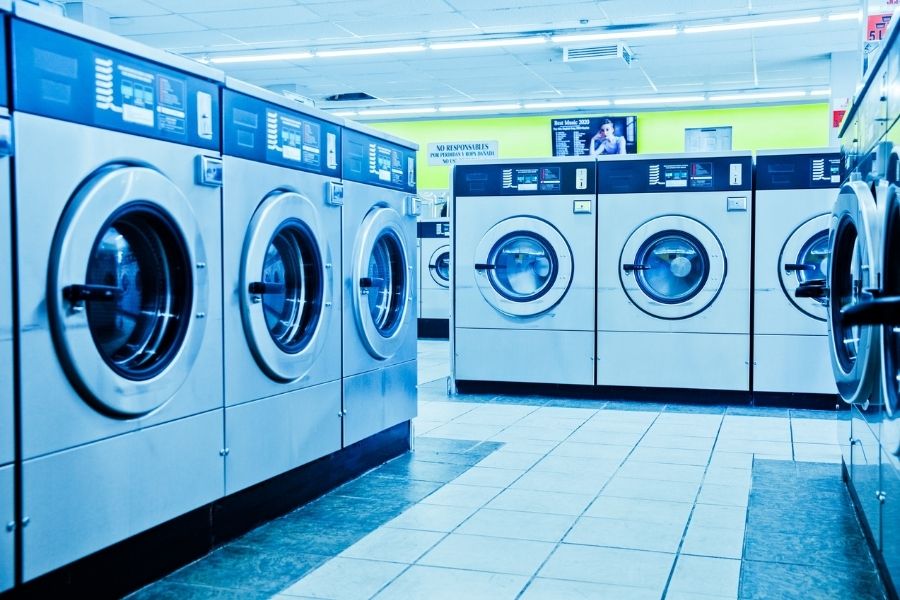
The term ‘white goods’ refers to consumer electronic goods such as LED lighting, air conditioners, refrigerators etc. and was initially coined to highlight the white enamel finish that most of these goods had on their surfaces in the early days of their manufacturing. Ironically enough, more versions of these goods are available in different colors and finding a truly white ‘white good’ isn’t an easy task today!

White goods have an ubiquitious presence across the globe, and are a key area of focus for the Indian government on the path to self-reliance. Apart from their ubiquitous presence in households across the world, the relevance of this industry stems from its inclusion in the Production-Linked Incentive Scheme. With an outlay of Rs 6,238 crore meant to be expended by 2025, the objective is to support and incentivize existing producers and provide growth opportunities in domestic manufacturing of LEDs and air conditioners – two of the most important white goods in terms of volume produced.

The PLI vision for white goods

The drive to achieve 25% of GDP contribution from the manufacturing sector by 2025 has led to a number of targeted incentives for focus sectors. The bid to increase manufacturing of white goods is part of an overarching push to grow India’s indigenous white goods industry.

In 2019, the Indian Appliances and Electronic industry was valued at Rs 76,400 crore and it is forecast that by 2025, that number would be Rs 1.48 lakh crore, a near 100% growth. LED lighting, in particular, is expected to have a 12% CAGR in revenue for the next few years, highlighting the robust household demand. Air conditioners were a US$ 4.3 billion market in India in 2017 and are expected to become a US$ 11 billion market by 2023, a CAGR of 17% (according to Invest India PLI Scheme for White Goods, n.d.).

A strong future notwithstanding, these incentives are also meant to diversify the industry and promote further competition. Major players in the LED and air conditioners market are household names like Bajaj, Havells, Crompton and Surya for LEDs and Voltas Limited, Daikin, LG Electronics and Blue Star for air conditioners. The control a vast market share for their respective products and companies such as Havells have a strong presence in both segments. One of the objectives of the PLI scheme is the continued support of startups that make their foray into a cost restrictive industry.

Understanding the incentives

The PLI scheme is an output and outcome-oriented scheme, where incentives are to be provided on the basis of 4-6% of incremental sales of manufactured goods over a defined base year (2019-20) (Soni, 2021). The greater the incremental sales, the larger the incentive given. This formula is meant to induce value-addition and encourage export promotion, while still staying within WTO regulations as incentives under this scheme only indirectly subsidize exports.

In the white goods sector in particular, the initial cost of production is prohibitive and requires large startup capital. Hence, these subsidies encourage firms at the bottom of the value chain to simply focus on quality improvements, rather than increasing production at unjustified costs.

Several consumer electronics manufacturing companies on either end of the size scale have applied for these incentives. The ingenious aspect of the scheme is how the incentives create scope for even more to be given. Since the incentives are based on incremental sales, companies focus their efforts on expanding their market or bringing about quality and quantity improvements. The subsidies gained through these efforts can then be reinvested into the same process in a bid to increase revenue for the next year, thereby fuelling the opportunity to receive an even greater portion of the allocated funds.

In FY 2019-20, electronics exports stood at US$ 11.28 billion, about 16.1% of the total US$ 70 billion manufactured value (Banerji, 2021). For this share of exports to increase, a combination of marketing efforts as well as changes in manufacturing standards will be required from established and newbie companies alike, both of which can look at incentives from the PLI scheme.

Who will benefit?

A certain eligibility criteria must be met to avail the benefits under the PLI scheme. The company must be registered under the Companies Act, 2013 and must meet a threshold investment in variable and fixed assets (other than land or building) of minimum Rs 10 crore for MSMEs and minimum Rs 100 crore for others (Govt notifies PLI, 2021). The benefits of this indirectly extend to the general public as well, due to the increase in employment opportunities created as companies would seek to boost productivity and consequently sales.

The incentives provided under this initiative seek to benefit LED and air conditioner manufacturing companies, more specifically the production line of such companies, which is encouraged to change its objectives to ally with the intent of the scheme due to the subsidies received. The scheme, being output-specific, puts the onus on the manufacturing company to adhere to certain benchmarks of production-such as ensuring value-addition, making goods export worthy and complying with safety standards of consumer electronics.

The PLI scheme in white goods industry puts its attention on the LED and air conditioning markets, aiming to attract global as well as local investment by making them cost competitive and making Indian companies an irreplaceable part of the global supply chain networks. The scheme also indirectly improves the standard of living for the general public, as it galvanizes research and development in companies looking to add value to their products, thereby improving them exponentially.

The benefits of the PLI scheme for ACs and LEDs are clear. However, the following are some issues that this scheme needs to address:

  1. The PLI scheme, in which incentives are based on incremental sales, overemphasizes the maximization of revenue. In theory, the companies could achieve increased revenue through product improvement and relentless marketing efforts. In such a scenario, the companies may be tempted to invest the incentives into marketing and product popularization rather than expand production or work towards quality improvements, as is the intended objective of the scheme.
  2. In the case of ACs and LEDs, production is cost-prohibitive due to the expensive components and raw materials. For MSMEs, setting up new manufacturing units to scale up production requires a lot of investment by the government as well as the private sector. As the MSMEs are unable to increase production, the benefits they get from the incentives are limited, whereas larger companies attract both investment as well as a substantial portion of the outlay.
  3. The AC and LED industries are still heavily dependent on imports from China, Taiwan and the US for semi-conductors, raw materials and other essential components. The PLI scheme, therefore creates an illusion of manufacturing being domestic as companies set up manufacturing units in India to avail benefits and local investment supports the boom, but in reality, does not help promote manufacturing self-reliance due to the import heavy production.

The above drawbacks, though significant, can be offset by taking certain measures:

  1. In order to obtain the objective of self-reliance, foreign companies that avail of these benefits should be required to purchase a defined percentage of their inputs/intermediate goods required for manufacturing from local sources. It strikes a compromise between the government restricting a company’s business and providing aid to foreign companies to manufacture in India.
  2. A considerable portion of the budgetary allocation should be reserved for MSMEs, so that dominant players in the market do not accrue advantages beyond their contribution to setting up domestic manufacturing hubs.

Previous Post
Next Post

Most Recent Posts

  • All Post
  • 8th Pay Commission
  • Aadhar
  • Aditya Birla Capital
  • Advertising Standards
  • Affordable Housing
  • Agriculture
  • Agriculture & Food
  • AI in Healthcare
  • AI Technology
  • Airlines
  • alcohol industry
  • Android
  • APEDA
  • Apple
  • Artificial Intelligence
  • Ashwini Vaishnaw
  • Asset Management
  • Atmanirbhar Bharat
  • Audio Devices
  • Audio Products
  • Auto Industry
  • Automobile
  • Automobiles
  • Automotive
  • Automotive Industry
  • Aviation
  • Bain Healthcare Report 2026
  • Bank
  • Banking
  • Banking Technology
  • Battery Industry
  • Beverage Industry
  • Beverages
  • Bihar
  • biotechnology
  • Bitcoin
  • BMW Group India
  • Brand Insight
  • BRICS
  • Bullion Market
  • Business
  • Business & Economy
  • Business & Trade
  • Business Leadership Post COVID-19
  • Business News
  • Business Terminology
  • Business Utilities
  • Buyback
  • Capital Goods
  • Capital Markets
  • CarsBusiness
  • CBIC
  • CCI
  • Child Investment
  • China
  • China technology news
  • Citizen Services
  • Clean Energy
  • Clean Technology
  • Cloud Computing
  • coal
  • Commerce
  • Commerce and Industry
  • Commercial Real Estate
  • Commercial Vehicles
  • Commodities
  • Communications
  • Companies
  • Competition Law
  • Compliance
  • Computer Accessories
  • connected cars
  • Consumer
  • Consumer Affairs
  • Consumer Electronics
  • Consumer Finance
  • Consumer Goods
  • Consumer Health
  • Consumer Markets
  • Consumer News
  • Consumer Protection,
  • Consumer Rights
  • Consumer Spending
  • Consumer Trends
  • Content Creation
  • Copper
  • Corporate
  • corporate affairs
  • Corporate Earnings
  • Corporate Governance
  • Corporate News
  • Corporate Social Responsibility
  • Cost of Living
  • Country
  • CRED
  • Credit Cards
  • CREDIT RATING
  • Crude Oil
  • Cryptocurrency
  • CSR
  • Culture
  • Currency
  • Customs Duty
  • Cyber Security
  • Cybersecurity
  • Dairy Industry
  • Data & Analytics
  • Defence
  • Delhi Government
  • Delhi-NCR
  • Demographics
  • Derivatives
  • DGCA
  • DGFT
  • DigiLocker
  • Digital Assets
  • Digital Economy
  • Digital Health India
  • Digital Identity
  • Digital India
  • Digital Infrastructure
  • Digital passport for robots
  • Digital Payments
  • Digital Platforms
  • digital services
  • Diplomacy
  • Dixon Technologies
  • DPIIT
  • E Commerce
  • E-commerce
  • E-Governance
  • Ease of Doing Business
  • Economic Growth
  • Economy
  • Edible Oil Industry
  • Editor Choice
  • EdTech
  • Education
  • Electric Mobility
  • Electric Vehicles
  • Electronics
  • Employment
  • ENERGY
  • Engineering
  • Entertainment
  • Environment
  • EPFO
  • Ethanol Economy
  • EV Industry
  • EV Technology
  • Exports
  • EXTER
  • Farmers
  • Fashion
  • FINANCE
  • Finance Ministry,
  • Financial Marketing
  • Financial Markets
  • Financial News
  • Financial Planning
  • Financial Results
  • Financial Services
  • Fintech
  • FnTech
  • Food & Beverage
  • Food & Beverages
  • Food Exports
  • Food Industry
  • Food Manufacturing
  • Food Processing
  • Food Regulations
  • food safety
  • Foreign Exchange
  • Foreign Investment
  • Foreign Policy
  • Foreign Trade
  • Forex Reserves
  • fssai
  • FTA
  • Fuel
  • Fuel Prices
  • Future Energy
  • Gadgets
  • Gadgets & Apps
  • Gaming
  • GDP
  • Generative AI Healthcare
  • Geopolitics
  • GI Products
  • Global Brand Alliance
  • Global Economy
  • Global Markets
  • Global Politics
  • Global Tech
  • Global Trade Policy
  • Global Trends\
  • Gold
  • Gold Market
  • Gold Prices
  • Gols & Silver
  • Government
  • Government & Policy
  • Government Affairs
  • Government Bonds
  • Government Data
  • Government Initiatives
  • Government Policy
  • Government Policy & Regulation
  • Government Scheme
  • Government Schemes
  • Government Services
  • Green Energy
  • Green Mobility
  • GroupGlobal
  • GST
  • GST Council
  • GST Counsil
  • Hair Care
  • Hardware
  • Hatchback Segment
  • Health Supplements,
  • Horticulture
  • Housing
  • HSBC
  • Human Resources
  • humanoid robot market
  • Hyundai
  • IBT Infographics
  • iinvestment
  • Imports & Exports
  • Income Tax
  • India
  • India Auto Market
  • India Business News
  • India Inc
  • India News
  • India Retail
  • India-Canada Relations
  • India-China
  • India-Japan Relations
  • India-Russia Relations
  • India-South Korea Relations
  • India-US Relations
  • Indian Economy
  • Indian Navy
  • Industrial Pollution
  • Inflation
  • Infra
  • Infrastructure
  • Innovation
  • Instagram
  • Insurance
  • international
  • International Affairs
  • International Cooperation
  • International Relations
  • International Trade
  • Internet & Connectivity
  • Internet Policy
  • Internet Regulation
  • Interview
  • Investing
  • Investment News
  • Investments
  • iPhone News
  • IPO
  • IT Industry
  • Jewellery
  • Jio Platforms
  • JioBlackRock
  • Jobs & Careers
  • Joint Ventures
  • Kim Kardashian
  • Labour
  • Latest
  • Launches
  • Leadership
  • Leaderspeak
  • Lending
  • Lifestyle
  • Lifestyle Tech
  • List
  • Loans & Credit
  • Local News
  • Logistics
  • LPG
  • Luxury Cars
  • Machinery
  • Macroeconomics
  • Macroeconomy
  • maharashtra
  • Maharashtra News
  • Make in India
  • Makhana
  • Manufacturing
  • Market Outlook
  • Markets
  • Maruti Suzuki
  • Mergers & Acquisitions
  • Meta
  • Microsoft
  • Middle East
  • Mobile Apps
  • Mobile Industry
  • Mobile Launch
  • Mobility
  • Monetary Policy
  • Monsoon
  • MoSPI
  • MSME
  • Mutual Funds
  • Nano Tech
  • National
  • National news
  • NEET 2026
  • NewsElectric
  • NewsTata
  • NPCI
  • NPS Vatsalya
  • Office Market
  • Oil & Gas
  • Oil and Gas
  • Others
  • OTT
  • Packaged Drinking Water
  • Packaged Foods
  • Packaging Industry
  • Packaging Innovation
  • Passenger Vehicles
  • Paytm
  • Pension & Retirement
  • Pensions
  • Personal Care
  • Personal Finance
  • Perspectives
  • Petroleum
  • PFRDA
  • Pharmaceuticals
  • PM Modi
  • PMAY-G
  • PMAY-U
  • PMAY,
  • PMI
  • policy
  • Population
  • PORTS
  • Positive News
  • PPF
  • Precious Metals
  • Pricing
  • Product Labeling
  • Product Labelling
  • Product Launch
  • Property Market
  • PSU
  • PSU Banks
  • Public Health
  • Public Policy
  • Public Safety
  • Public Sector
  • Public Services
  • Public Welfare
  • Quarterly Results
  • Railways
  • Rajasthan
  • Raksha Bandhan
  • Raksha Bandhan Gifts
  • Rare Earths
  • RBI
  • Real Estate & Realty Sector
  • Recycling
  • Regulation
  • Regulatory Action
  • Regulatory Affairs
  • Regulatory Updates
  • REIT
  • Reliance Industries
  • Renewable Energy
  • RERA
  • Research
  • Retail
  • Retirement Planning
  • Road Infrastructure
  • Robotics & Automation
  • robotics standards
  • Rupee
  • Rural Development
  • Rural Housing
  • SAIL
  • Salaries
  • Samsung
  • Savings
  • Science & Technology
  • Sebi
  • Security
  • Semiconductor
  • Services Sector,
  • SHIPPING
  • Silver Prices
  • Skill Development
  • Skills Development
  • Small Business
  • Smart Devices
  • Smart Home
  • Smart Mobility
  • Smartphones
  • Social Impact
  • Social Media
  • Society
  • Software Development
  • Solar Energy
  • Space Technology
  • Startups
  • Statistics
  • Steel Industry
  • Stock Market
  • stocks
  • streaming
  • Sugar Industry
  • Sukanya Samriddhi Yojana
  • Sustainability
  • SUV
  • Tamil Nadu Pollution Board
  • Tariffs
  • Tariffs & Duties
  • Tata Group
  • Tata Motors
  • Tata Sons
  • Tax Planning
  • Taxation
  • Tech
  • Tech Branding
  • Technology
  • Telecom & Technology
  • Telecom Industry
  • Top Story
  • Tourism
  • Trade
  • Trade Agreement
  • Trade Basket
  • Trade Partner
  • Trade Policy,
  • Transportation
  • Travel
  • Trending
  • Two-Wheelers
  • UIDAI
  • UPI
  • Urban Development
  • US-Iran Conflict Economic Impact
  • US–India Relations
  • Uttar Pradesh
  • VehiclesLuxury
  • vivo
  • Wastewater Management
  • Water Quality,
  • Wealth Management
  • Wearables
  • Wellness
  • WhatsApp
  • Wheat
  • Workplace
  • World
  • World News
  • Worldview
  • Yamaha
  • zLead Slider
    •   Back
    • Healthcare
    • Auto
    • Fmcg
    • Hospitality
    •   Back
    • Cash Crop
    • Organic
    • New Era Agri
    • Processed Food
    •   Back
    • Construction
    • Power
    • Mining
    • Telecom
    •   Back
    • ENERGY
    •   Back
    • Export/Import
    • Trade Deal
    • Trade Fair
    •   Back
    • Policies
    • Industry
    • Finance
    •   Back
    • Others technology
    • Mobile phone
    • Gadgets
    •   Back
    • Manufacturing
    • Services
    • Startup

India Business & Trade is a national media platform decoding the ideas, decisions and shifts shaping India’s growth story—across plicy, business, global commerce and a rapidly evolving marketplace.

Reach Us

India Business & Trade
M-62, Saket, New Delhi-110064, India

Subscribe To Newsletter

Stay ahead in the dynamic world of trade and commerce with India Business & Trade’s weekly newsletter.

Copyright © 2026 India Business & Trade. All Rights Reserved


Fatal error: Uncaught TypeError: Unsupported operand types: string * int in /var/www/sites/indiabusinesstrade.in/wp-content/plugins/royal-elementor-addons/admin/includes/wpr-templates-modal-popups.php:192 Stack trace: #0 /var/www/sites/indiabusinesstrade.in/wp-content/plugins/royal-elementor-addons/admin/includes/wpr-templates-modal-popups.php(128): WprAddons\Admin\Includes\WPR_Templates_Modal_Popups::get_template_settings() #1 /var/www/sites/indiabusinesstrade.in/wp-content/plugins/royal-elementor-addons/admin/includes/wpr-templates-modal-popups.php(106): WprAddons\Admin\Includes\WPR_Templates_Modal_Popups::render_popup_content() #2 /var/www/sites/indiabusinesstrade.in/wp-content/plugins/royal-elementor-addons/admin/includes/wpr-templates-modal-popups.php(64): WprAddons\Admin\Includes\WPR_Templates_Modal_Popups::display_popups_by_location() #3 /var/www/sites/indiabusinesstrade.in/wp-includes/class-wp-hook.php(341): WprAddons\Admin\Includes\WPR_Templates_Modal_Popups->render_popups() #4 /var/www/sites/indiabusinesstrade.in/wp-includes/class-wp-hook.php(365): WP_Hook->apply_filters() #5 /var/www/sites/indiabusinesstrade.in/wp-includes/plugin.php(522): WP_Hook->do_action() #6 /var/www/sites/indiabusinesstrade.in/wp-includes/general-template.php(3224): do_action() #7 /var/www/sites/indiabusinesstrade.in/wp-content/plugins/royal-elementor-addons/admin/templates/wpr-canvas.php(64): wp_footer() #8 /var/www/sites/indiabusinesstrade.in/wp-includes/template-loader.php(132): include('...') #9 /var/www/sites/indiabusinesstrade.in/wp-blog-header.php(19): require_once('...') #10 /var/www/sites/indiabusinesstrade.in/index.php(17): require('...') #11 {main} thrown in /var/www/sites/indiabusinesstrade.in/wp-content/plugins/royal-elementor-addons/admin/includes/wpr-templates-modal-popups.php on line 192