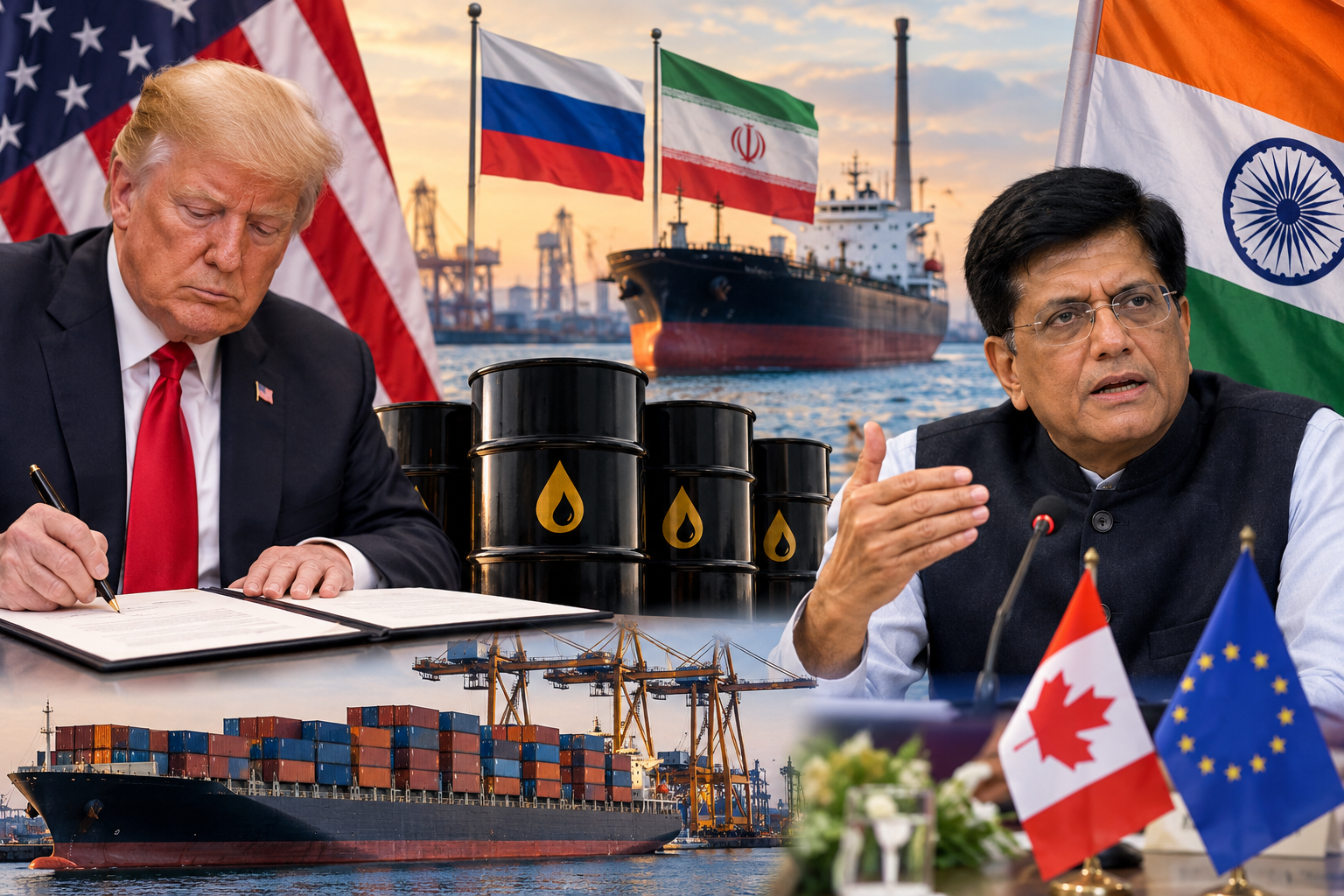
Commerce Minister Piyush Goyal said India will examine the Lindsey O. Graham Sanctioning Russia and Iran Act of 2026 and assess its implications. The law gives the US president authority to impose tariffs of up to 100% on major buyers of Russian energy.
Highlights
- India will study the new US sanctions law and its possible impact, Commerce Minister Piyush Goyal said on September 21.
- US President Donald Trump signed the Lindsey O. Graham Sanctioning Russia and Iran Act of 2026 on September 18.
- The legislation provides authority for tariffs of up to 100% targeting major purchasers of Russian oil and gas; India and China are among the countries potentially exposed.
India will examine the newly enacted US sanctions legislation targeting Russia and Iran and assess its potential implications for the country, Commerce and Industry Minister Piyush Goyal said on Monday.
Goyal said details of the legislation were still emerging and the government would study them before discussing the issue further.
US President Donald Trump signed the Lindsey O. Graham Sanctioning Russia and Iran Act of 2026 into law on September 18. The legislation expands US sanctions against Russia, including measures targeting its energy and defence sectors.
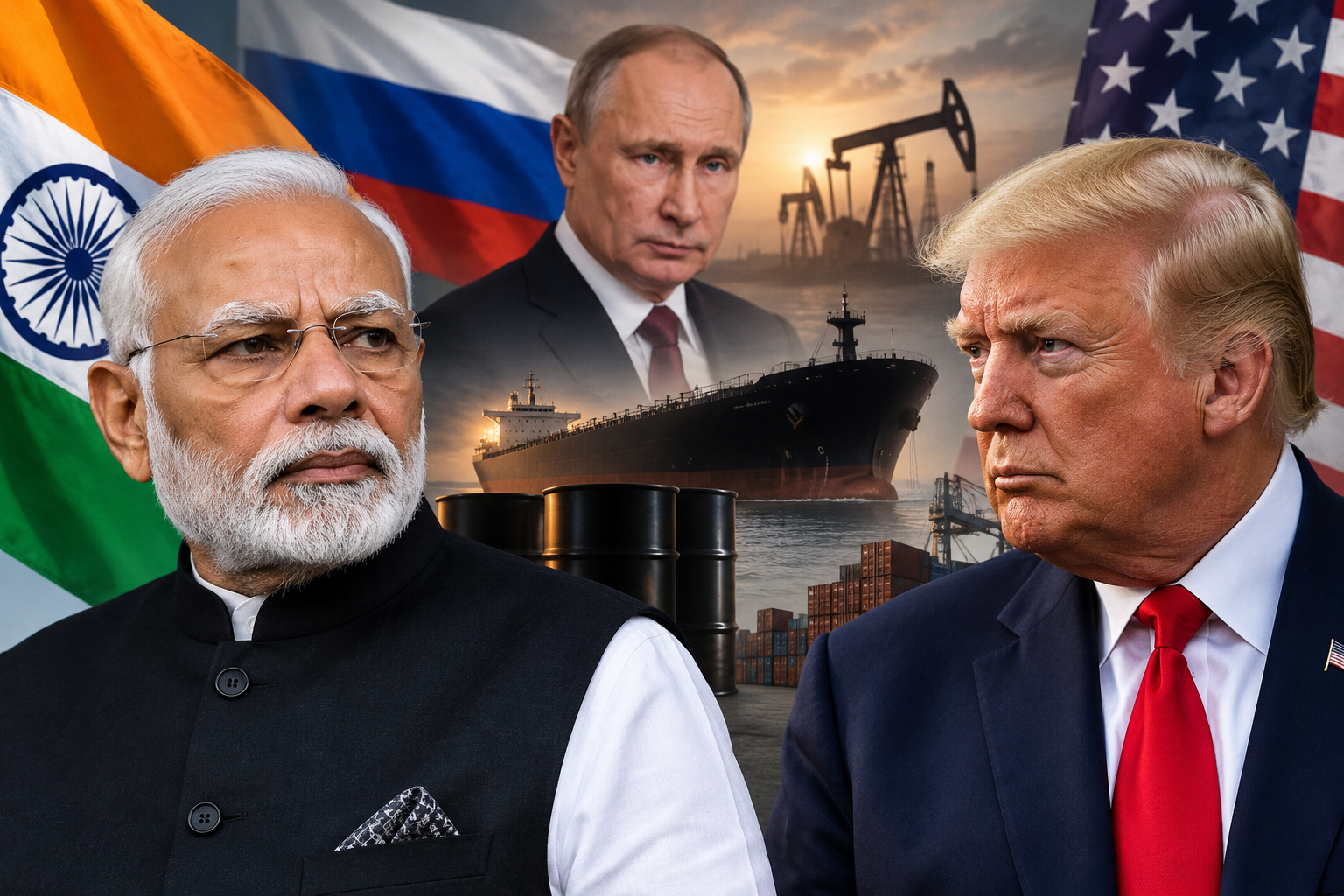
A key provision gives the US administration authority to impose tariffs of up to 100% on goods from countries that are major purchasers of Russian oil and gas. India and China, major buyers of Russian crude, are among the countries that could potentially be affected. The existence of the authority does not by itself mean a 100% tariff has automatically been imposed on all Indian goods.
Goyal also highlighted the resilience of India’s exports amid geopolitical uncertainty. According to the Economic Times report, he said exports increased around 15% during April-September 14 of FY27, despite two ongoing wars and complications affecting trade routes.
Meanwhile, India is accelerating trade negotiations with several partners. India and Canada have agreed to fast-track talks on their Comprehensive Economic Partnership Agreement. The fourth round of negotiations has concluded, while the fifth round is scheduled to begin on October 5, according to the report.
India-Canada bilateral trade currently stands at around $8.5 billion, and the two countries aim to expand it substantially by 2030, the report said. Goyal also indicated that India’s trade agreement with the European Union is expected to move toward implementation in the coming months.
The new US sanctions framework, meanwhile, adds another variable to India’s trade and energy calculations, particularly given the country’s purchases of Russian crude.