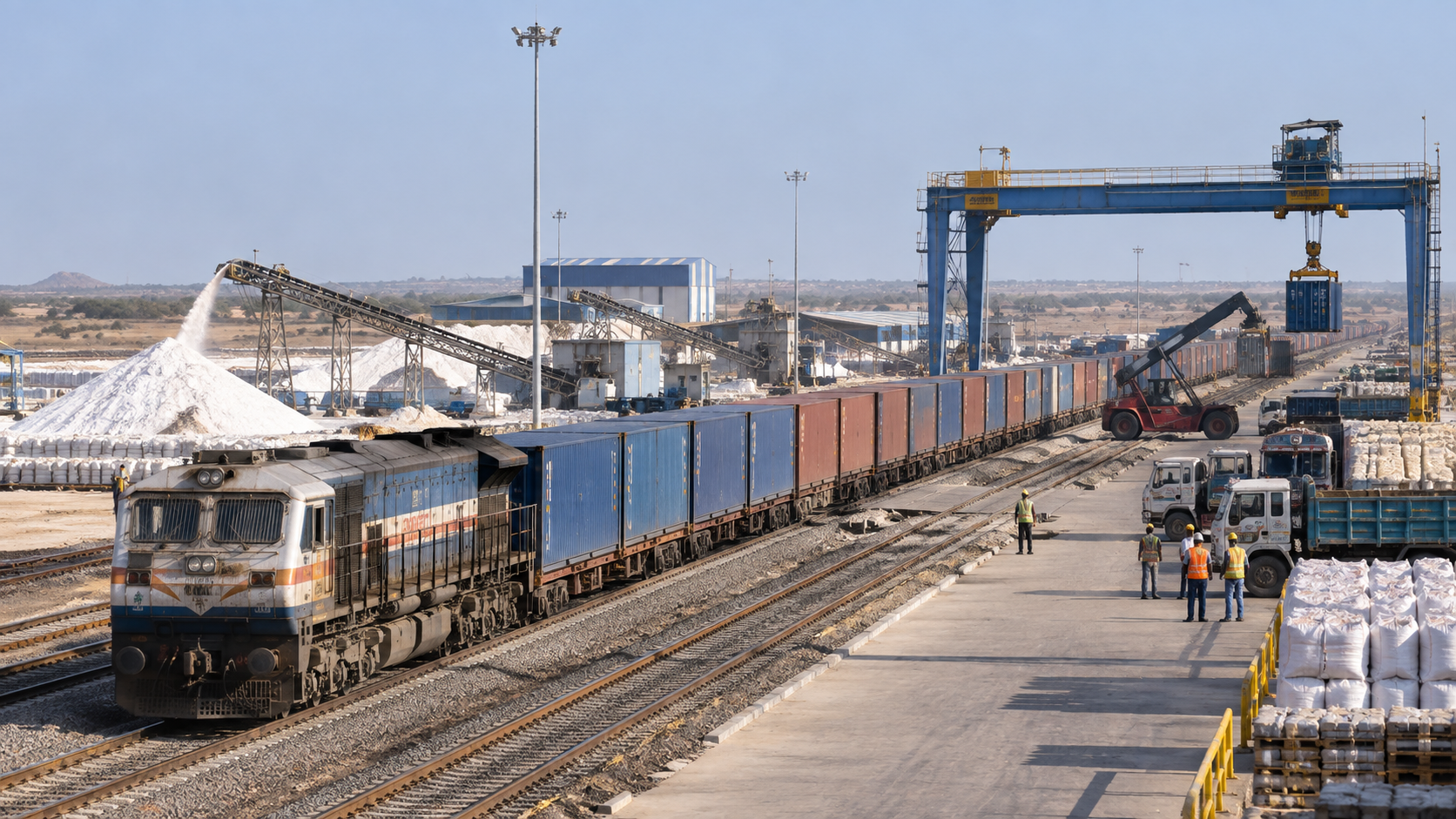
Tier 2 cities scaling up to be India’s new technology hubs

With a low-to-moderate risk of business disruption; moderate-to-high stability of financial environment; and a high-to-moderate regulatory environment, these tier 2 cities are rapidly turning into new IT hubs or technology hubs for a large number of tech companies in the country.

Many tier 2 cities of India dole out a complete pack of advantages including access to a fresh, skilled talent pool, cost-effective and robust infrastructure, high-quality educational infrastructure, comprehensive healthcare facilities, and a relatively low cost of living.

technology hub - It hubs - Tier 2 cities - TPCI

Image Source: Pexels

India’s technology industry has grown manyfold in the last decade and tremendous growth has been seen in the services offered by the industry. Along with the traditional information technology and Business Process Management (BPM) services, the engineering, research and development (ER&D) and software product segments have also been showing robust growth. 

The government’s emphasis on e-governance and the availability of a cost-effective, skilled workforce has also contributed to the growth of the technology sector. According to the report titled “Emerging Technology Hubs of India” by Deloitte and Nasscom, the technology industry in India has been growing at a CAGR of 9% since 2019. 

The technology sector is making a substantial contribution to India’s gross domestic product (GDP) as well. In the fiscal year 2018, the technology sector contributed about 7.9% of India’s GDP. By 2025, it is projected to make about 10% contribution to the country’s GDP. In terms of revenue earnings, during the fiscal year 2022, the technology sector’s total revenue was about US$ 227 billion and is expected to be at US$ 245 billion in 2023. 

Transforming Tech Landscape of India

Although the industry had been experiencing rapid growth previously, the outbreak of the COVID-19 pandemic proved to be a critical turning point. The pandemic determined not only the demand shift but also guided the industry’s aberration towards a highly distributed work model. It also compelled many organizations to accelerate digital transformation and to substantially modify their existing work models. 

The post-pandemic era continues to witness the decentralization-of-work model getting more and more common. This model is increasingly gaining acceptance even within the traditional corporate settings. Be it in any form, from people working independently from their homes to multinational companies setting up their centres in non-metro cities (to leverage their talent pool), the decentralization of work continues to thrive. 

With rapidly increasing startups, non-traditional work arrangements, and shared workspaces, there are many forthcoming possibilities and opportunities for the development of new IT hubs in the country. 

Proliferating start-ups and incubators are playing a critical role in the evolution of larger and more mature companies in emerging locations. According to the report,

  • More than 7,000 start-ups are operating from emerging hubs.
  •  Deep-Tech AI start-ups founded in emerging hubs have grown from 13% in the year 2019 to 26% in 2021. 
  • The Deep-Tech and BPM (Business process management) services have grown by 50% from 2014 to 2018 and are expected to grow 2.2 times by 2025.
  • About 39% of tech start-ups established in 2022 are from emerging hubs.
  • About 13% of the funding during the year 2022, had gone to start-ups in tier-2 cities.

This signifies that investors are comfortably venturing into tier-2 cities looking for potential unicorns.

The Emerging IT Hubs in Tier-2 Cities

The tier 2 cities in India include Amritsar, Bhopal, Bhubaneswar, Chandigarh, Faridabad, Ghaziabad, Jamshedpur, Jaipur, Kochi, Lucknow, Nagpur, Patna, Raipur, Surat, Visakhapatnam, Agra, Ajmer, Kanpur, Mysuru, and Srinagar.

As of January 2020, there were seven primary IT hubs in the country. The 7 major technology hubs were Delhi National Capital Region (NCR), Bengaluru, Chennai, Hyderabad, Kolkata, Mumbai, and Pune. 

The technology industry is now seen to be progressively spreading from these Tier 1 cities to the emerging Tier 2 locations. The Deloitte report “Emerging Technology Hubs of India” has identified twenty-six (26) emerging cities, that represent the ‘next wave of technology hubs’ in the country. These cities provide numerous opportunities for sustainable and evolutionary growth of the technology sector. Following is the list of emerging technology hubs across the country.

Table: 26 emerging IT hubs

State Location
Andhra Pradesh  Tirupati, Vijayawada, Visakhapatnam
Assam Guwahati
Chattisgarh  Raipur
Gujarat  Ahmedabad
Jharkhand  Ranchi
Karnataka  Hubbali, Mangaluru, Mysuru
Kerala Kochi, Thiruvananthapuram
Madhya Pradesh  Bhopal, Indore
Maharashtra  Nagpur, Nashik
Odisha  Bhubaneshwar
Punjab & Haryana  Chandigarh
Rajasthan  Jaipur
Tamil Nadu  Coimbatore, Madurai, Tiruchirappalli, Vellore
Telangana  Warangal
Uttar Pradesh  Kanpur, Lucknow

What is facilitating the expansion of the technology industry in Tier-2 cities 

The increasing acceptance of remote working, reverse migration due to the pandemic and the growing size of the talent pool, are some of the major factors behind the emergence of new technology hubs in the country. 

Let us have a glimpse of some challenges that established/matured technology hubs are currently facing, and also the key benefits being offered by emerging technology hubs.

Benefits offered by emerging hubs: 

Current market scenario (matured hubs) Benefits provided by emerging hubs
30-40% increase in talent pool cost in the past five years Talent pool costs are 25-30% lower than those in matured hubs
60-80% increase in real estate costs in the past five years 50% cost arbitrage in real estate rental costs than in matured hubs
Saturated talent market with a high degree of competition Limited competition offering better access to the talent pool
High attrition rates of 25-30% impacting client delivery Relatively lower attrition rates compared to that in matured hubs
Limited availability of real estate for expansion New and upcoming real estate development available close to city centres
Increase in traffic and over-extended power and water infrastructure Easier commute and new infrastructure development initiatives by state governments
Limited incentives offered for setting up centres in matured hubs Incentives to companies for establishing operations in emerging hubs
Discontinuation of tax exemptions in Special Economic Zones (SEZs) and Software Technology Parks of India (STPIs) Policies are focused on the development of emerging hubs 

Some important characteristics of the emerging tech locations, as stated in the report are:

  • 11-15% of the overall technology talent pool in India is employed in cities like Ahmedabad, Coimbatore, Jaipur, Lucknow, and Indore. (Total experienced talent pool: 600k – 850k).
  • The emerging technology hubs are home to a 100,000-strong digitally skilled workforce. 
  • More than 140 Global Capability Centres (GCCs) are established in these locations. (60,000 people employed by these GCCs).
  • About 30% of the workforce employed in matured hubs has migrated from other parts of the country.
  • Approximately 60% of total tech and non-tech graduates in India have graduated from the institutions in these emerging cities. (Total graduates: 2 million)
  • Indore, Jaipur, Kolkata, Coimbatore, and Ahmedabad are emerging as the new micro-IT hubs.

The presence of many business/knowledge process outsourcing (BPO/KPO) centres in emerging cities has further enhanced the development of a service-oriented culture in emerging technology hubs. Various operations that are being undertaken include- finance and accounting, logistics, HR functions, payroll, telecom, market research, data analytics, telemarketing services, tech support, and helpdesk services. Although international voice operations in some emerging cities are still in the early stages of development, due to language challenges. Persistent efforts are ongoing to address such issues. 

Role of Skill India initiative: a collaboration of government and corporates

The Government of India recognizes the value of skill development in emerging cities and has therefore launched the Skill India initiative. This initiative collaborates with corporations to include innovative technical training into its curriculum. More than 50 companies are actively collaborating under this initiative. Many of these organizations have made skills development an integral part of their corporate social responsibility (CSR) efforts. 

A large number of technology enterprises have strategically established their operational centres in emerging tier-2 cities. These include;

AGS Health, Concentrix, Conneqt, Eclerx, EXL, Firstsource, Genpact, HCL Tech, HGS, Infosys, Nextwealth, Sutherland, Technotask, Wipro, WNS.  

Tier-2 cities, on the fast track of gaining Tier-1 status

The rapid development of infrastructure, skill diversity, increasing start-up presence, and several governmental initiatives like smart cities, tech parks, and incubation centres, are enabling these emerging tier-2 locations to achieve ‘tier 1 status’. 

The Tier-2/smaller towns, producing about 60% of India’s overall graduates (engineering, arts, and science), are offering companies a competitive advantage wherein they may identify the roles/goals to be delivered from these towns. As many as 100,000 people (the target talent pool) living in the emerging hubs are highly proficient in the latest digital technologies

With a robust inter and intra-city connectivity between these emerging hubs and metros along with fast Internet connections across India, many jobs are now being delivered from different parts of the country. 

The systematically organized government policy interventions and investments are further making the emerging technology hubs an attractive destination for the workforce, consequently facilitating better employee retention.

In addition, emerging cities have a low-to-moderate risk of business disruption; moderate-to-high stability of financial environment; and a high-to-moderate regulatory environment. The presence of high-quality educational infrastructure, comprehensive healthcare facilities, a relatively low cost of living that is about 25–35% lower than tier 1 cities, and an overall high quality of life characterize the emerging technology hubs.

In times when companies are re-examining their ways of working and seeking to optimise their costs, outcomes and talent, the emerging hubs in tier 2 cities across the country offer all the benefits/facilities that may be sought by business enterprises.

Previous Post
Next Post

Most Recent Posts

  • All Post
  • 8th Pay Commission
  • Aadhar
  • Aditya Birla Capital
  • Advertising Standards
  • Affordable Housing
  • Agriculture
  • Agriculture & Food
  • AI in Healthcare
  • AI Technology
  • Airlines
  • alcohol industry
  • Android
  • APEDA
  • Apple
  • Artificial Intelligence
  • Ashwini Vaishnaw
  • Asset Management
  • Atmanirbhar Bharat
  • Audio Devices
  • Audio Products
  • Auto Industry
  • Automobile
  • Automobiles
  • Automotive
  • Automotive Industry
  • Aviation
  • Bain Healthcare Report 2026
  • Bank
  • Banking
  • Banking Technology
  • Battery Industry
  • Beverage Industry
  • Beverages
  • Bihar
  • biotechnology
  • Bitcoin
  • BMW Group India
  • Brand Insight
  • BRICS
  • Bullion Market
  • Business
  • Business & Economy
  • Business & Trade
  • Business Leadership Post COVID-19
  • Business News
  • Business Terminology
  • Business Utilities
  • Buyback
  • Capital Goods
  • Capital Markets
  • CarsBusiness
  • CBIC
  • CCI
  • Child Investment
  • China
  • China technology news
  • Citizen Services
  • Clean Energy
  • Clean Technology
  • Cloud Computing
  • coal
  • Commerce
  • Commerce and Industry
  • Commercial Real Estate
  • Commercial Vehicles
  • Commodities
  • Communications
  • Companies
  • Competition Law
  • Compliance
  • Computer Accessories
  • connected cars
  • Consumer Affairs
  • Consumer Electronics
  • Consumer Finance
  • Consumer Goods
  • Consumer Health
  • Consumer Markets
  • Consumer News
  • Consumer Protection,
  • Consumer Rights
  • Consumer Spending
  • Consumer Trends
  • Content Creation
  • Copper
  • Corporate
  • corporate affairs
  • Corporate Earnings
  • Corporate Governance
  • Corporate News
  • Corporate Social Responsibility
  • Cost of Living
  • Country
  • CRED
  • Credit Cards
  • CREDIT RATING
  • Crude Oil
  • Cryptocurrency
  • CSR
  • Culture
  • Currency
  • Customs Duty
  • Cyber Security
  • Cybersecurity
  • Dairy Industry
  • Data & Analytics
  • Defence
  • Delhi Government
  • Delhi-NCR
  • Demographics
  • Derivatives
  • DGCA
  • DGFT
  • DigiLocker
  • Digital Assets
  • Digital Economy
  • Digital Health India
  • Digital Identity
  • Digital India
  • Digital Infrastructure
  • Digital passport for robots
  • Digital Payments
  • Digital Platforms
  • digital services
  • Diplomacy
  • Dixon Technologies
  • DPIIT
  • E Commerce
  • E-commerce
  • E-Governance
  • Ease of Doing Business
  • Economic Growth
  • Economy
  • Edible Oil Industry
  • Editor Choice
  • EdTech
  • Education
  • Electric Mobility
  • Electric Vehicles
  • Electronics
  • Employment
  • ENERGY
  • Engineering
  • Entertainment
  • Environment
  • EPFO
  • Ethanol Economy
  • EV Industry
  • EV Technology
  • Exports
  • EXTER
  • Farmers
  • Fashion
  • FINANCE
  • Finance Ministry,
  • Financial Marketing
  • Financial Markets
  • Financial News
  • Financial Planning
  • Financial Results
  • Financial Services
  • Fintech
  • FnTech
  • Food & Beverage
  • Food & Beverages
  • Food Exports
  • Food Industry
  • Food Manufacturing
  • Food Processing
  • Food Regulations
  • food safety
  • Foreign Exchange
  • Foreign Investment
  • Foreign Policy
  • Foreign Trade
  • Forex Reserves
  • fssai
  • FTA
  • Fuel
  • Fuel Prices
  • Future Energy
  • Gadgets
  • Gadgets & Apps
  • Gaming
  • GDP
  • Generative AI Healthcare
  • Geopolitics
  • GI Products
  • Global Brand Alliance
  • Global Economy
  • Global Markets
  • Global Politics
  • Global Tech
  • Global Trade Policy
  • Global Trends\
  • Gold
  • Gold Market
  • Gold Prices
  • Gols & Silver
  • Government
  • Government & Policy
  • Government Affairs
  • Government Bonds
  • Government Data
  • Government Initiatives
  • Government Policy
  • Government Policy & Regulation
  • Government Scheme
  • Government Schemes
  • Government Services
  • Green Energy
  • Green Mobility
  • GroupGlobal
  • GST
  • GST Council
  • GST Counsil
  • Hair Care
  • Hardware
  • Hatchback Segment
  • Health Supplements,
  • Horticulture
  • Housing
  • HSBC
  • Human Resources
  • humanoid robot market
  • Hyundai
  • IBT Infographics
  • iinvestment
  • Imports & Exports
  • Income Tax
  • India
  • India Auto Market
  • India Business News
  • India Inc
  • India News
  • India Retail
  • India-Canada Relations
  • India-China
  • India-Japan Relations
  • India-Russia Relations
  • India-South Korea Relations
  • India-US Relations
  • Indian Economy
  • Indian Navy
  • Industrial Pollution
  • Inflation
  • Infra
  • Infrastructure
  • Innovation
  • Instagram
  • Insurance
  • international
  • International Affairs
  • International Cooperation
  • International Relations
  • International Trade
  • Internet & Connectivity
  • Internet Policy
  • Internet Regulation
  • Interview
  • Investing
  • Investment News
  • Investments
  • iPhone News
  • IPO
  • IT Industry
  • Jewellery
  • Jio Platforms
  • JioBlackRock
  • Jobs & Careers
  • Joint Ventures
  • Kim Kardashian
  • Labour
  • Latest
  • Launches
  • Leadership
  • Leaderspeak
  • Lending
  • Lifestyle
  • Lifestyle Tech
  • List
  • Loans & Credit
  • Local News
  • Logistics
  • LPG
  • Luxury Cars
  • Machinery
  • Macroeconomics
  • Macroeconomy
  • maharashtra
  • Maharashtra News
  • Make in India
  • Makhana
  • Manufacturing
  • Market Outlook
  • Markets
  • Maruti Suzuki
  • Mergers & Acquisitions
  • Meta
  • Microsoft
  • Middle East
  • Mobile Apps
  • Mobile Industry
  • Mobile Launch
  • Mobility
  • Monetary Policy
  • Monsoon
  • MoSPI
  • MSME
  • Mutual Funds
  • Nano Tech
  • National
  • National news
  • NEET 2026
  • NewsElectric
  • NewsTata
  • NPCI
  • NPS Vatsalya
  • Office Market
  • Oil & Gas
  • Oil and Gas
  • Others
  • OTT
  • Packaged Drinking Water
  • Packaged Foods
  • Packaging Industry
  • Packaging Innovation
  • Passenger Vehicles
  • Paytm
  • Pension & Retirement
  • Pensions
  • Personal Care
  • Personal Finance
  • Perspectives
  • Petroleum
  • PFRDA
  • Pharmaceuticals
  • PM Modi
  • PMAY-G
  • PMAY-U
  • PMAY,
  • PMI
  • policy
  • Population
  • PORTS
  • Positive News
  • PPF
  • Precious Metals
  • Pricing
  • Product Labeling
  • Product Labelling
  • Product Launch
  • Property Market
  • PSU
  • PSU Banks
  • Public Health
  • Public Policy
  • Public Safety
  • Public Sector
  • Public Services
  • Public Welfare
  • Quarterly Results
  • Railways
  • Rajasthan
  • Raksha Bandhan
  • Raksha Bandhan Gifts
  • Rare Earths
  • RBI
  • Real Estate & Realty Sector
  • Recycling
  • Regulation
  • Regulatory Action
  • Regulatory Affairs
  • Regulatory Updates
  • REIT
  • Reliance Industries
  • Renewable Energy
  • RERA
  • Research
  • Retail
  • Retirement Planning
  • Road Infrastructure
  • Robotics & Automation
  • robotics standards
  • Rupee
  • Rural Development
  • Rural Housing
  • SAIL
  • Salaries
  • Samsung
  • Savings
  • Science & Technology
  • Sebi
  • Security
  • Semiconductor
  • Services Sector,
  • SHIPPING
  • Silver Prices
  • Skill Development
  • Skills Development
  • Small Business
  • Smart Devices
  • Smart Home
  • Smart Mobility
  • Smartphones
  • Social Impact
  • Social Media
  • Society
  • Software Development
  • Solar Energy
  • Space Technology
  • Startups
  • Statistics
  • Steel Industry
  • Stock Market
  • stocks
  • streaming
  • Sugar Industry
  • Sukanya Samriddhi Yojana
  • Sustainability
  • SUV
  • Tamil Nadu Pollution Board
  • Tariffs
  • Tariffs & Duties
  • Tata Group
  • Tata Motors
  • Tata Sons
  • Tax Planning
  • Taxation
  • Tech
  • Tech Branding
  • Technology
  • Telecom & Technology
  • Telecom Industry
  • Top Story
  • Tourism
  • Trade
  • Trade Agreement
  • Trade Basket
  • Trade Partner
  • Trade Policy,
  • Transportation
  • Travel
  • Trending
  • Two-Wheelers
  • UIDAI
  • UPI
  • Urban Development
  • US-Iran Conflict Economic Impact
  • US–India Relations
  • Uttar Pradesh
  • VehiclesLuxury
  • vivo
  • Wastewater Management
  • Water Quality,
  • Wealth Management
  • Wearables
  • Wellness
  • WhatsApp
  • Wheat
  • Workplace
  • World
  • World News
  • Worldview
  • Yamaha
  • zLead Slider
    •   Back
    • Healthcare
    • Auto
    • Fmcg
    • Hospitality
    •   Back
    • Cash Crop
    • Organic
    • New Era Agri
    • Processed Food
    •   Back
    • Construction
    • Power
    • Mining
    • Telecom
    •   Back
    • ENERGY
    •   Back
    • Export/Import
    • Trade Deal
    • Trade Fair
    •   Back
    • Policies
    • Industry
    • Finance
    •   Back
    • Others technology
    • Mobile phone
    • Gadgets
    •   Back
    • Manufacturing
    • Services
    • Startup

India Business & Trade is a national media platform decoding the ideas, decisions and shifts shaping India’s growth story—across plicy, business, global commerce and a rapidly evolving marketplace.

Reach Us

India Business & Trade
M-62, Saket, New Delhi-110064, India

Subscribe To Newsletter

Stay ahead in the dynamic world of trade and commerce with India Business & Trade’s weekly newsletter.

Copyright © 2026 India Business & Trade. All Rights Reserved


Fatal error: Uncaught TypeError: Unsupported operand types: string * int in /var/www/sites/indiabusinesstrade.in/wp-content/plugins/royal-elementor-addons/admin/includes/wpr-templates-modal-popups.php:192 Stack trace: #0 /var/www/sites/indiabusinesstrade.in/wp-content/plugins/royal-elementor-addons/admin/includes/wpr-templates-modal-popups.php(128): WprAddons\Admin\Includes\WPR_Templates_Modal_Popups::get_template_settings() #1 /var/www/sites/indiabusinesstrade.in/wp-content/plugins/royal-elementor-addons/admin/includes/wpr-templates-modal-popups.php(106): WprAddons\Admin\Includes\WPR_Templates_Modal_Popups::render_popup_content() #2 /var/www/sites/indiabusinesstrade.in/wp-content/plugins/royal-elementor-addons/admin/includes/wpr-templates-modal-popups.php(64): WprAddons\Admin\Includes\WPR_Templates_Modal_Popups::display_popups_by_location() #3 /var/www/sites/indiabusinesstrade.in/wp-includes/class-wp-hook.php(341): WprAddons\Admin\Includes\WPR_Templates_Modal_Popups->render_popups() #4 /var/www/sites/indiabusinesstrade.in/wp-includes/class-wp-hook.php(365): WP_Hook->apply_filters() #5 /var/www/sites/indiabusinesstrade.in/wp-includes/plugin.php(522): WP_Hook->do_action() #6 /var/www/sites/indiabusinesstrade.in/wp-includes/general-template.php(3224): do_action() #7 /var/www/sites/indiabusinesstrade.in/wp-content/plugins/royal-elementor-addons/admin/templates/wpr-canvas.php(64): wp_footer() #8 /var/www/sites/indiabusinesstrade.in/wp-includes/template-loader.php(132): include('...') #9 /var/www/sites/indiabusinesstrade.in/wp-blog-header.php(19): require_once('...') #10 /var/www/sites/indiabusinesstrade.in/index.php(17): require('...') #11 {main} thrown in /var/www/sites/indiabusinesstrade.in/wp-content/plugins/royal-elementor-addons/admin/includes/wpr-templates-modal-popups.php on line 192