The Hallyu Effect: Global branding and the making of brand Korea

Dismiss the fleeting trends and viral challenges for a moment. Consider a different narrative: South Korea’s cultural omnipresence which consists of the global resonance of K-Pop anthems to the captivating narratives of K-dramas and the pervasive appeal of its cuisine. It is not merely an organic phenomenon. It is, in fact, the outcome of a meticulously conceived national strategy, a sophisticated blueprint that has transformed culture into a formidable instrument of soft power and economic expansion. This is the compelling story of Hallyu, the Korean Wave, detailing how a nation, emerging from the crucible of a financial crisis, embarked upon a deliberate endeavor to engage the world not through conventional means, but through compelling narratives, captivating melodies, and even the ubiquitous spicy noodle, each element strategically amplified across global digital platforms.

Hallyu effect - korean influence - tpci

The Korean Wave, or Hallyu, is a term that represents the global popularity of Korea’s cultural content. Since the late 1990s, Korean TV shows and pop music have drawn considerable attention in China, Taiwan, Hong Kong, and Japan. Today, Korean content and artists are expanding their influence, garnering enthusiastic responses from across the world. The Korean Wave continues to captivate people around the world with the beauty of K-Culture.

Culture as infrastructure: A post-crisis gambit

Since the late 1990s, particularly after the 1997 financial crisis, successive South Korean governments recognized the immense potential of their cultural industries. Beyond direct financial support through agencies like the Korea Creative Content Agency (KOCCA) under the Ministry of Culture, Sports & Tourism, there was a clear strategic work done. While the initial focus was on economic support for cultural industries, the policy shifted to prioritize branding and global competitiveness by the late 2000s, with “soft power” becoming a crucial element of diplomatic white papers.

While the entertainment companies themselves like SM, JYP, and YG for K-Pop, and major drama production houses drove the creative output, government agencies played a role in creating the ecosystem for global digital dissemination. KOCCA, for instance, has actively supported the digital promotion of Korean cultural content, understanding the increasing importance of online platforms. Reports highlight KOCCA’s focus on digital strategies to expand Hallyu’s reach, especially during periods like the COVID-19 pandemic, when online consumption surged. They even aggregate data from 32 Korean cultural centers in 27 countries to facilitate real-time decision-making regarding Hallyu, indicating a sophisticated, data-driven approach to cultural diplomacy.

While the specific names of dedicated “social media agencies” working directly under the government might not be publicly emphasized, the strategy is clear: leverage all digital avenues. This involves:

1.) Supporting entertainment agencies: Providing frameworks and incentives for K-Pop companies and drama producers to develop robust social media presences.

2.) Facilitating global content distribution: Working with platforms like YouTube, Netflix (OTT platforms), and even local streaming services to ensure Korean content is accessible worldwide.

3.) Collecting and analyzing data: Understanding how Hallyu is consumed and discussed globally to refine strategies. The Korea Culture Information Service Agency (KCISA), for example, has developed a Culture Big Data platform for this very purpose.

This institutional support laid the foundation, but the true brilliance lay in how Korean trends inherently became social media gold.

How ramen became a global sensation
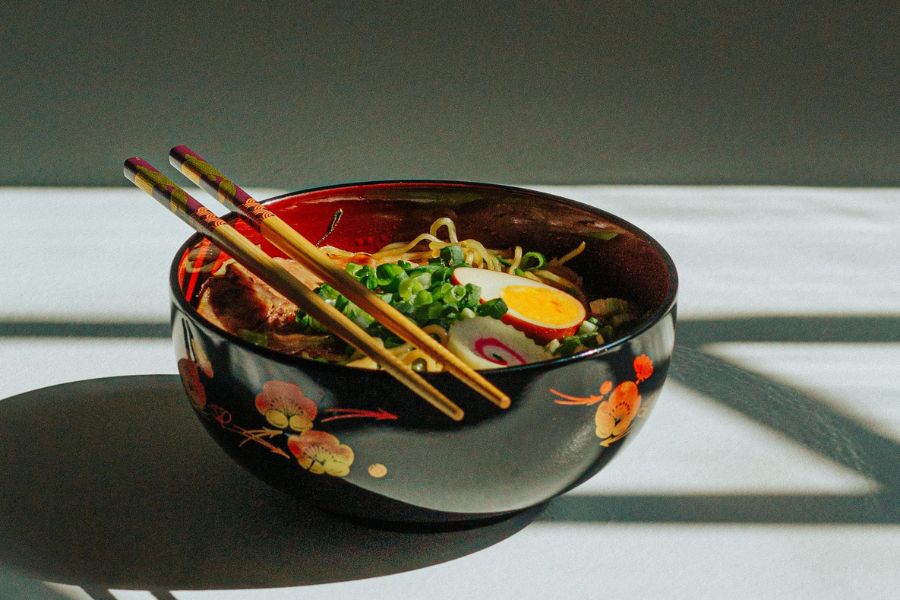
ramen - pexels

Korean ramen, or “ramyeon,” offers a compelling case study of this organic, yet strategically facilitated, digital takeover. It wasn’t just about placing products; it was about embedding them into authentic cultural narratives that viewers then replicated and shared.

The global rise of Korean ramen is a prime example of this deliberate brand synergy. As K-content became a global phenomenon, ramen brands rode the wave directly. In 2025, Korean ramen exports remarkably surpassed ₩1 trillion (~$800 million), marking a 34% growth over the previous year. This wasn’t merely coincidence but a direct result of cultural immersion.

Take Samyang’s Buldak “Fire” noodles, famous for its viral spicy challenge. Its organic appearances in popular culture, amplified by influencer-driven challenges, propelled it to sell over 4 billion units, earning Samyang significant export awards. Similarly, Nongshim’s Shin Ramyun pulled in nearly $883 million in 2023, with approximately 60% of that revenue originating from overseas markets. In India, for instance, the consistent portrayal of ramen in K-Dramas and the engaging nature of mukbang videos directly led to Samyang, Nongshim, and Ottogi products becoming mainstream items in kirana shops across major metro cities like Delhi and Mumbai. This demonstrates a potent model where cultural content acts as a powerful, organic marketing engine.

These challenges and broadcasts acted as a form of hyper-authentic advertising. When a K-Pop idol casually slurps ramen in a reality show, or a popular YouTuber sweats through a spicy challenge, it creates an immediate, relatable desire that traditional commercials often fail to achieve. It transformed ramen from a foreign food item into an accessible, exciting, and sharable experience.

The allure of K-beauty

The influence of Korean skincare has steadily grown in recent years, driven by innovative formulations, minimal-yet-chic aesthetics, and a culture of consistent self-care. Indian consumers have increasingly warmed up to this approach  with the K-Beauty market projected to grow from ₹3,200 crore in 2021 to an estimated ₹8,500 crore by 2032. Its popularity owes much to how Korean products market both routine and ritual, with glowing “glass skin” held up as the ultimate goal.

But this idea of flawless, translucent skin achieved through multi-step regimens and exotic ingredients  doesn’t always translate seamlessly across geographies. Experts have pointed out that Indian skin, which tends to be thicker, more pigmented, and oilier, responds differently to such routines. Environmental factors like humidity and pollution further complicate how effective or suitable these routines really are.

Hydration-focused products designed for temperate Korean climates can sometimes overwhelm Indian skin, leading to breakouts, irritation, or clogged pores. More importantly, dermatologists suggest that some aspects of “glass skin” are less about products and more about genetics — pore size, skin texture, and pigmentation levels vary naturally and can’t always be transformed through topical care.

Still, the rise of K-Beauty has prompted a broader shift: skincare is no longer just a corrective tool but a form of daily care and prevention. That may be its most meaningful export — not the chase for glassy perfection, but the everyday value of treating one’s skin with intention, patience, and informed choices.

The pillars of Hallyu’s success

South Korea’s unparalleled success in national branding rests on a set of interconnected, strategically reinforced pillars that go far beyond catchy songs or slick product placements. It’s a model built on coordination, storytelling, and digital intuition.

1. Institutional Strategy: At the foundation lies the government’s coordinated cultural policy. Agencies like KOCCA (Korea Creative Content Agency), KOTRA (Korea Trade-Investment Promotion Agency), and regional film commissions laid the groundwork for export-ready content. From funding music videos and dramas to aggregating real-time cultural consumption data across continents, the ecosystem was designed for scale.

2. Narrative Authenticity: Rather than overt product promotion, Korean content embeds culture into storylines with disarming naturalness. A ramen scene in a drama or a skincare conversation on a variety show doesn’t feel like marketing  it feels like life. That subtlety builds trust, emotional resonance, and ultimately, desire.

3. Content-Food Synergy: Food became a cultural ambassador. Ramen brands like Samyang and Nongshim exploded globally not through ad campaigns, but because they appeared in binge-worthy dramas, spicy noodle challenges, and viral mukbangs. The products became stars in their own right — accessible, aspirational, and deliciously repeatable.

4. Innovation & Community: The success wasn’t static; it evolved with its audience. From AI-powered skincare apps and virtual try-ons to interactive livestreams and fan-subbed dramas, Korea’s cultural exports continually turn passive viewers into active participants. Fans aren’t just consuming Hallyu — they’re shaping it.

5. Visual Aesthetics: Whether it’s the cinematic sheen of a K-drama, the soft glow of a K-Beauty campaign, or the razor-sharp choreography of a K-Pop video, South Korea has standardized high production value as cultural currency. The aspirational but attainable aesthetic has helped define a uniquely modern Korean visual identity.

6. Digital Fluency as Global Amplifier: Social media wasn’t just an afterthought — it was the launchpad. Platforms like YouTube, Instagram, and TikTok became the unofficial global distributors of Korean culture. From music videos to skincare routines and spicy ramen challenges, Korean content was built to travel — and to trend. Crucially, user-generated content turned fans into global co-creators, bypassing traditional borders and giving Hallyu its decentralized, grassroots momentum.

From fandom to foreign policy

South Korea built the global influence. From the way a K-drama hero casually eats ramen to how a K-Pop star’s skincare shelf becomes a digital wishlist, almost every touchpoint has been backed by intent, data, and infrastructure.

But the genius of Hallyu isn’t just in how it scales. It’s in how it feels personal. Whether it’s a teenager in Delhi chasing glass skin or a college student in São Paulo trying their first bowl of Shin Ramyun, the experience is intimate not forced. That’s what makes this cultural wave different from traditional exports. It doesn’t shout. It seeps in.

For marketers and policymakers watching closely, Hallyu is a case study in how culture, commerce, and community can intersect. Not with brute force, but with precision, patience, and emotional fluency. And in that quiet mastery lies South Korea’s most powerful export of all.

Previous Post
Next Post

Most Recent Posts

  • All Post
  • 8th Pay Commission
  • Aadhar
  • Aditya Birla Capital
  • Advertising Standards
  • Affordable Housing
  • Agriculture
  • Agriculture & Food
  • AI in Healthcare
  • AI Technology
  • Airlines
  • alcohol industry
  • Android
  • APEDA
  • Apple
  • Artificial Intelligence
  • Ashwini Vaishnaw
  • Asset Management
  • Atmanirbhar Bharat
  • Audio Devices
  • Audio Products
  • Auto Industry
  • Automobile
  • Automobiles
  • Automotive
  • Automotive Industry
  • Aviation
  • Bain Healthcare Report 2026
  • Bank
  • Banking
  • Banking Technology
  • Battery Industry
  • Beverage Industry
  • Beverages
  • Bihar
  • biotechnology
  • Bitcoin
  • BMW Group India
  • Brand Insight
  • BRICS
  • Bullion Market
  • Business
  • Business & Economy
  • Business & Trade
  • Business Leadership Post COVID-19
  • Business News
  • Business Terminology
  • Business Utilities
  • Buyback
  • Capital Goods
  • Capital Markets
  • CarsBusiness
  • CBIC
  • CCI
  • Child Investment
  • China
  • China technology news
  • Citizen Services
  • Clean Energy
  • Clean Technology
  • Cloud Computing
  • coal
  • Commerce
  • Commerce and Industry
  • Commercial Real Estate
  • Commercial Vehicles
  • Commodities
  • Communications
  • Companies
  • Competition Law
  • Compliance
  • Computer Accessories
  • connected cars
  • Consumer
  • Consumer Affairs
  • Consumer Electronics
  • Consumer Finance
  • Consumer Goods
  • Consumer Health
  • Consumer Markets
  • Consumer News
  • Consumer Protection,
  • Consumer Rights
  • Consumer Spending
  • Consumer Trends
  • Content Creation
  • Copper
  • Corporate
  • corporate affairs
  • Corporate Earnings
  • Corporate Governance
  • Corporate News
  • Corporate Social Responsibility
  • Cost of Living
  • Country
  • CRED
  • Credit Cards
  • CREDIT RATING
  • Crude Oil
  • Cryptocurrency
  • CSR
  • Culture
  • Currency
  • Customs Duty
  • Cyber Security
  • Cybersecurity
  • Dairy Industry
  • Data & Analytics
  • Defence
  • Delhi Government
  • Delhi-NCR
  • Demographics
  • Derivatives
  • DGCA
  • DGFT
  • DigiLocker
  • Digital Assets
  • Digital Economy
  • Digital Health India
  • Digital Identity
  • Digital India
  • Digital Infrastructure
  • Digital passport for robots
  • Digital Payments
  • Digital Platforms
  • digital services
  • Diplomacy
  • Dixon Technologies
  • DPIIT
  • E Commerce
  • E-commerce
  • E-Governance
  • Ease of Doing Business
  • Economic Growth
  • Economy
  • Edible Oil Industry
  • Editor Choice
  • EdTech
  • Education
  • Electric Mobility
  • Electric Vehicles
  • Electronics
  • Employment
  • ENERGY
  • Engineering
  • Entertainment
  • Environment
  • EPFO
  • Ethanol Economy
  • EV Industry
  • EV Technology
  • Exports
  • EXTER
  • Farmers
  • Fashion
  • FINANCE
  • Finance Ministry,
  • Financial Marketing
  • Financial Markets
  • Financial News
  • Financial Planning
  • Financial Results
  • Financial Services
  • Fintech
  • FnTech
  • Food & Beverage
  • Food & Beverages
  • Food Exports
  • Food Industry
  • Food Manufacturing
  • Food Processing
  • Food Regulations
  • food safety
  • Foreign Exchange
  • Foreign Investment
  • Foreign Policy
  • Foreign Trade
  • Forex Reserves
  • fssai
  • FTA
  • Fuel
  • Fuel Prices
  • Future Energy
  • Gadgets
  • Gadgets & Apps
  • Gaming
  • GDP
  • Generative AI Healthcare
  • Geopolitics
  • GI Products
  • Global Brand Alliance
  • Global Economy
  • Global Markets
  • Global Politics
  • Global Tech
  • Global Trade Policy
  • Global Trends\
  • Gold
  • Gold Market
  • Gold Prices
  • Gols & Silver
  • Government
  • Government & Policy
  • Government Affairs
  • Government Bonds
  • Government Data
  • Government Initiatives
  • Government Policy
  • Government Policy & Regulation
  • Government Scheme
  • Government Schemes
  • Government Services
  • Green Energy
  • Green Mobility
  • GroupGlobal
  • GST
  • GST Council
  • GST Counsil
  • Hair Care
  • Hardware
  • Hatchback Segment
  • Health Supplements,
  • Horticulture
  • Housing
  • HSBC
  • Human Resources
  • humanoid robot market
  • Hyundai
  • IBT Infographics
  • iinvestment
  • Imports & Exports
  • Income Tax
  • India
  • India Auto Market
  • India Business News
  • India Inc
  • India News
  • India Retail
  • India-Canada Relations
  • India-China
  • India-Japan Relations
  • India-Russia Relations
  • India-South Korea Relations
  • India-US Relations
  • Indian Economy
  • Indian Navy
  • Industrial Pollution
  • Inflation
  • Infra
  • Infrastructure
  • Innovation
  • Instagram
  • Insurance
  • international
  • International Affairs
  • International Cooperation
  • International Relations
  • International Trade
  • Internet & Connectivity
  • Internet Policy
  • Internet Regulation
  • Interview
  • Investing
  • Investment News
  • Investments
  • iPhone News
  • IPO
  • IT Industry
  • Jewellery
  • Jio Platforms
  • JioBlackRock
  • Jobs & Careers
  • Joint Ventures
  • Kim Kardashian
  • Labour
  • Latest
  • Launches
  • Leadership
  • Leaderspeak
  • Lending
  • Lifestyle
  • Lifestyle Tech
  • List
  • Loans & Credit
  • Local News
  • Logistics
  • LPG
  • Luxury Cars
  • Machinery
  • Macroeconomics
  • Macroeconomy
  • maharashtra
  • Maharashtra News
  • Make in India
  • Makhana
  • Manufacturing
  • Market Outlook
  • Markets
  • Maruti Suzuki
  • Mergers & Acquisitions
  • Meta
  • Microsoft
  • Middle East
  • Mobile Apps
  • Mobile Industry
  • Mobile Launch
  • Mobility
  • Monetary Policy
  • Monsoon
  • MoSPI
  • MSME
  • Mutual Funds
  • Nano Tech
  • National
  • National news
  • NEET 2026
  • NewsElectric
  • NewsTata
  • NPCI
  • NPS Vatsalya
  • Office Market
  • Oil & Gas
  • Oil and Gas
  • Others
  • OTT
  • Packaged Drinking Water
  • Packaged Foods
  • Packaging Industry
  • Packaging Innovation
  • Passenger Vehicles
  • Paytm
  • Pension & Retirement
  • Pensions
  • Personal Care
  • Personal Finance
  • Perspectives
  • Petroleum
  • PFRDA
  • Pharmaceuticals
  • PM Modi
  • PMAY-G
  • PMAY-U
  • PMAY,
  • PMI
  • policy
  • Population
  • PORTS
  • Positive News
  • PPF
  • Precious Metals
  • Pricing
  • Product Labeling
  • Product Labelling
  • Product Launch
  • Property Market
  • PSU
  • PSU Banks
  • Public Health
  • Public Policy
  • Public Safety
  • Public Sector
  • Public Services
  • Public Welfare
  • Quarterly Results
  • Railways
  • Rajasthan
  • Raksha Bandhan
  • Raksha Bandhan Gifts
  • Rare Earths
  • RBI
  • Real Estate & Realty Sector
  • Recycling
  • Regulation
  • Regulatory Action
  • Regulatory Affairs
  • Regulatory Updates
  • REIT
  • Reliance Industries
  • Renewable Energy
  • RERA
  • Research
  • Retail
  • Retirement Planning
  • Road Infrastructure
  • Robotics & Automation
  • robotics standards
  • Rupee
  • Rural Development
  • Rural Housing
  • SAIL
  • Salaries
  • Samsung
  • Savings
  • Science & Technology
  • Sebi
  • Security
  • Semiconductor
  • Services Sector,
  • SHIPPING
  • Silver Prices
  • Skill Development
  • Skills Development
  • Small Business
  • Smart Devices
  • Smart Home
  • Smart Mobility
  • Smartphones
  • Social Impact
  • Social Media
  • Society
  • Software Development
  • Solar Energy
  • Space Technology
  • Startups
  • Statistics
  • Steel Industry
  • Stock Market
  • stocks
  • streaming
  • Sugar Industry
  • Sukanya Samriddhi Yojana
  • Sustainability
  • SUV
  • Tamil Nadu Pollution Board
  • Tariffs
  • Tariffs & Duties
  • Tata Group
  • Tata Motors
  • Tata Sons
  • Tax Planning
  • Taxation
  • Tech
  • Tech Branding
  • Technology
  • Telecom & Technology
  • Telecom Industry
  • Top Story
  • Tourism
  • Trade
  • Trade Agreement
  • Trade Basket
  • Trade Partner
  • Trade Policy,
  • Transportation
  • Travel
  • Trending
  • Two-Wheelers
  • UIDAI
  • UPI
  • Urban Development
  • US-Iran Conflict Economic Impact
  • US–India Relations
  • Uttar Pradesh
  • VehiclesLuxury
  • vivo
  • Wastewater Management
  • Water Quality,
  • Wealth Management
  • Wearables
  • Wellness
  • WhatsApp
  • Wheat
  • Workplace
  • World
  • World News
  • Worldview
  • Yamaha
  • zLead Slider
    •   Back
    • Healthcare
    • Auto
    • Fmcg
    • Hospitality
    •   Back
    • Cash Crop
    • Organic
    • New Era Agri
    • Processed Food
    •   Back
    • Construction
    • Power
    • Mining
    • Telecom
    •   Back
    • ENERGY
    •   Back
    • Export/Import
    • Trade Deal
    • Trade Fair
    •   Back
    • Policies
    • Industry
    • Finance
    •   Back
    • Others technology
    • Mobile phone
    • Gadgets
    •   Back
    • Manufacturing
    • Services
    • Startup

India Business & Trade is a national media platform decoding the ideas, decisions and shifts shaping India’s growth story—across plicy, business, global commerce and a rapidly evolving marketplace.

Reach Us

India Business & Trade
M-62, Saket, New Delhi-110064, India

Subscribe To Newsletter

Stay ahead in the dynamic world of trade and commerce with India Business & Trade’s weekly newsletter.

Copyright © 2026 India Business & Trade. All Rights Reserved


Fatal error: Uncaught TypeError: Unsupported operand types: string * int in /var/www/sites/indiabusinesstrade.in/wp-content/plugins/royal-elementor-addons/admin/includes/wpr-templates-modal-popups.php:192 Stack trace: #0 /var/www/sites/indiabusinesstrade.in/wp-content/plugins/royal-elementor-addons/admin/includes/wpr-templates-modal-popups.php(128): WprAddons\Admin\Includes\WPR_Templates_Modal_Popups::get_template_settings() #1 /var/www/sites/indiabusinesstrade.in/wp-content/plugins/royal-elementor-addons/admin/includes/wpr-templates-modal-popups.php(106): WprAddons\Admin\Includes\WPR_Templates_Modal_Popups::render_popup_content() #2 /var/www/sites/indiabusinesstrade.in/wp-content/plugins/royal-elementor-addons/admin/includes/wpr-templates-modal-popups.php(64): WprAddons\Admin\Includes\WPR_Templates_Modal_Popups::display_popups_by_location() #3 /var/www/sites/indiabusinesstrade.in/wp-includes/class-wp-hook.php(341): WprAddons\Admin\Includes\WPR_Templates_Modal_Popups->render_popups() #4 /var/www/sites/indiabusinesstrade.in/wp-includes/class-wp-hook.php(365): WP_Hook->apply_filters() #5 /var/www/sites/indiabusinesstrade.in/wp-includes/plugin.php(522): WP_Hook->do_action() #6 /var/www/sites/indiabusinesstrade.in/wp-includes/general-template.php(3224): do_action() #7 /var/www/sites/indiabusinesstrade.in/wp-content/plugins/royal-elementor-addons/admin/templates/wpr-canvas.php(64): wp_footer() #8 /var/www/sites/indiabusinesstrade.in/wp-includes/template-loader.php(132): include('...') #9 /var/www/sites/indiabusinesstrade.in/wp-blog-header.php(19): require_once('...') #10 /var/www/sites/indiabusinesstrade.in/index.php(17): require('...') #11 {main} thrown in /var/www/sites/indiabusinesstrade.in/wp-content/plugins/royal-elementor-addons/admin/includes/wpr-templates-modal-popups.php on line 192