A2 milk in India: tradition meets modern nutrition or just clever marketing?

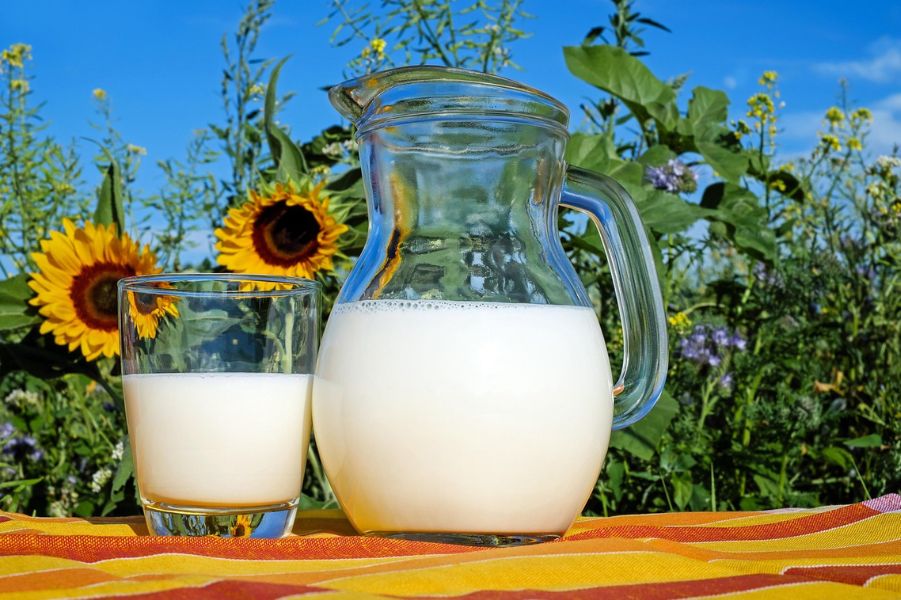
Milk has always been more than just a drink in India — it’s a part of culture, tradition, and daily life. From a morning cup of chai to festive sweets, dairy is deeply woven into the Indian lifestyle. But in recent years, a new buzzword has started reshaping the dairy aisle: A2 milk. Marketed as easier to digest and closer to the milk consumed by our ancestors, A2 milk has captured the imagination of health-conscious urban consumers. With companies introducing everything from A2 milk to A2 ghee at premium prices, the big question arises — is A2 milk truly a healthier choice backed by science, or simply a clever rebranding of traditional “desi cow” milk?
milk_tpci

Milk proteins include beta-casein, which comes in variants (alleles) such as A1 and A2. Most “regular” cow milk globally is a mix of the two. A2 milk is derived from cows that produce only the A2 variant of the beta-casein protein, typically via the A2A2 genotype. In digestion, the A1 type can release a peptide known as beta-casomorphin-7 (BCM-7), which some studies suggest may contribute to digestive discomfort or inflammation in susceptible people. A2 milk does not release BCM-7 in the same way, so for some, it may be easier on the gut. Importantly, A2 milk is not lactose-free; if someone is lactose intolerant, switching to A2 alone may not resolve the issue.

In India, many indigenous (desi) cow breeds — such as Gir, Sahiwal, Red Sindhi, Tharparkar, Rathi, and others — are found to carry the A2 allele (often in homozygous A2A2 form). Studies suggest that these native breeds are major natural sources of A2 milk.

Evidence: Truth or Hype?

There is both solid evidence and areas of uncertainty. Here are what studies in India and globally say, and what remains to be proven.

What is well supported

  • Genetic surveys (e.g. ICAR / NBAGR) show very high frequencies of the A2 among indigenous Indian cattle. One large study of ~4,000 animals covering native, crossbred, and exotic breeds found that Indian native breeds have an A2 allele frequency ~0.94–0.95, meaning most animals are A2 or at least carry the allele.
  • Native milch breeds like Gir, Red Sindhi, Sahiwal, Rathi, Tharparkar have in many cases 100% A2 status.
  • Studies show that among indigenous breeds, the proportion of A2A2 genotype is high (often very high).

What is less certain / still under study

  • Clinical / human trial data in India is limited. While many people report better digestion, less bloating, etc., controlled trials isolating the effect of A2 vs A1 milk are fewer.
  • Long-term health outcomes (e.g. cardiovascular disease, diabetes) directly attributable to A1 vs A2 consumption are not conclusively proven. Some claims are preliminary or based on animal studies.
  • Because many dairy systems are mixed (crossbred cows, mixed feed, mixed milk pooling), real-world “pure A2 milk” may be less consistent than genetic surveys suggest. There may be heterozygous animals (A1A2) or mixing in the supply chain.

Rahul Kumar Srivastava, COO at Parag foods highlights – “In India, milk has long been recognized as a vital source of protein, a fact that gained even more attention after COVID-19 with the growing focus on immunity. Many companies now promote milk primarily as a protein source rather than emphasizing its fat content. A2 milk, in particular, comes from indigenous ‘Desi’ cows, often identified by their distinctive hump. Recently, several brands have also begun marketing A2 ghee. While ghee is not milk but a derivative, it is often positioned as a protein-rich, premium product — highlighting how marketing strategies play a big role in shaping consumer perception.”

Benefits & Potential Advantages

Given the evidence, here are where A2 milk may offer benefits in the Indian context:

  1. Improved Digestive Comfort
    For some people who feel discomfort after regular milk (assuming they are not truly lactose intolerant), A2 milk might reduce bloating, gas, mild GI upset.
  2. Traditional Productivity & Quality
    Desi breeds are often more adapted to local climates (heat, humidity), feed conditions, disease, and require lower inputs in many settings. Their milk is valued in many households for traditional uses (bilona ghee, curd etc.).
  3. Cultural, Ethical & Biodiversity Value
    Some consumers prefer products from indigenous cattle for ethical, environmental, or cultural reasons. Conserving native breeds has biodiversity value.
  4. Premium Market Potential
    For urban / health-conscious consumers, willing to pay more for perceived higher quality, digestibility, “naturalness.” There is potential for brands to differentiate using pure A2 milk, certified sources, humane / pasture feeding etc.

Market Penetration & Growth in India

The A2 milk phenomenon in India is gaining traction, especially in urban areas, but it still has limitations.

Size & Growth Forecast

  • As per reports, India’s A2 milk market size was US$ 1.40 billion in 2024 and is expected to reach US$ 4.30 billion by 2033, with a CAGR of ~12.1% over 2025-2033.
  • Another forecast estimated the market at US$ 416 million in 2024, growing to US$ 1,222.5 million by 2030, with a CAGR of ~19.7%.

Extent of Penetration

  • Indigenous cattle in India are largely A2, at least genetically. So one could argue a large share of traditional milk (desi cow milk) is already A2 or close to it.
  • However, many commercial dairies, crossbred cows, high-yield exotic breeds, and milk pooling (mixing) dilute purity. So consumers paying premium often are buying milk that is labelled / certified A2, from known sources (desi breeds) or small farms.
  • Brands / startups, and some larger dairies, have started offering “branded A2 milk” in cities. Distribution is largely via supermarket chains, online subscription / farm-to-home models, niche dairy farms.

Chakradhar Gade, Co-Founder, Country Delight shared his views stating – “Around 90% of Indians consume milk, but rising cases of lactose intolerance have drawn attention to the role of A1 and A2 proteins. Interestingly, lactose intolerance is significantly lower with buffalo milk compared to cow milk, where these proteins are often present in mixed form. With growing consumer awareness, the A2 milk segment presents a significant opportunity in the Indian market.”

Price, Challenges & Awareness

  • Cost premium: A2 milk generally costs more. Genetic testing, maintaining pure A2 herds, traceability, and smaller scale operations all raise cost. This limits access to more affluent consumers and urban centers.
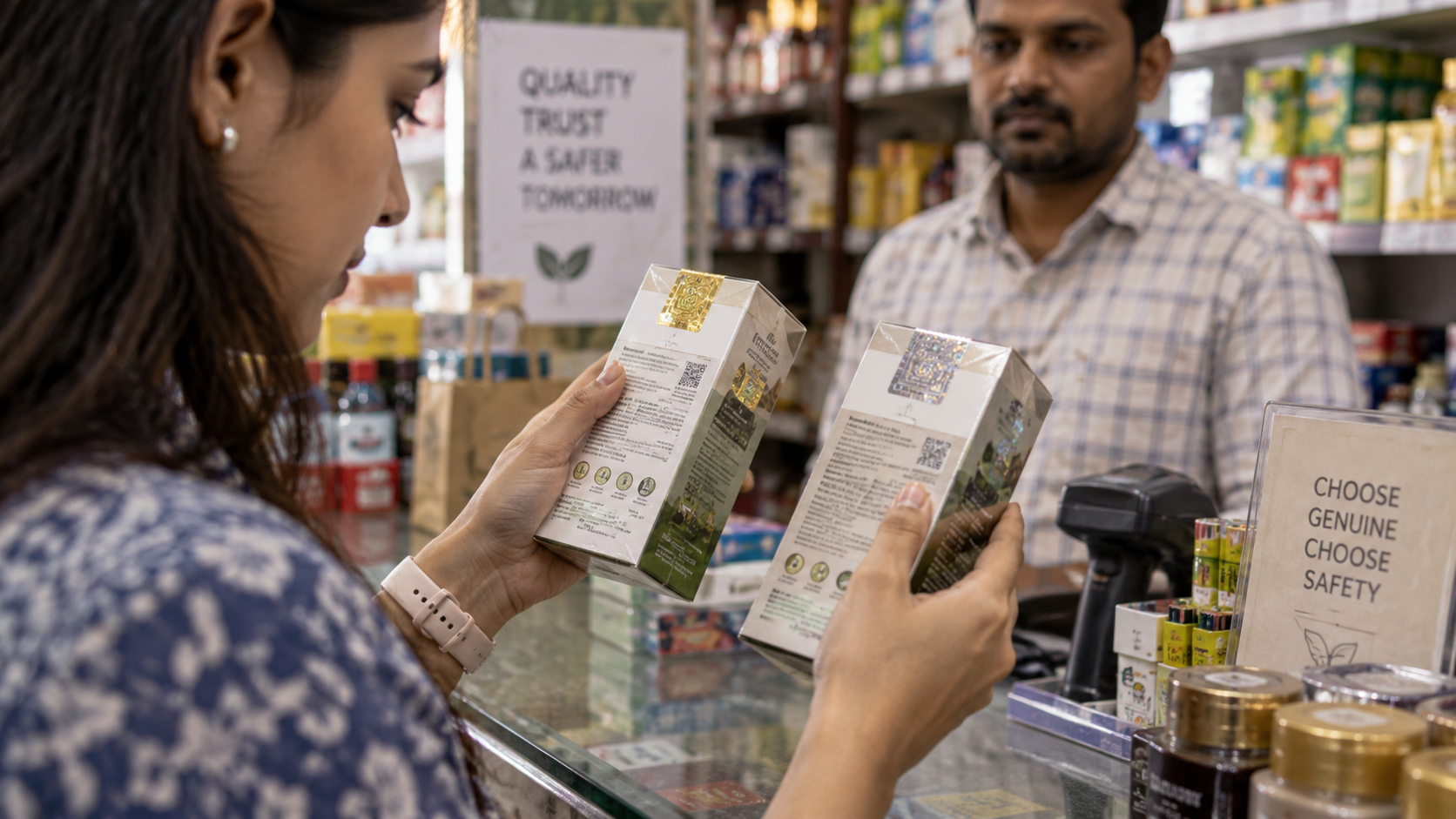
  • Verification: Ensuring that milk labelled “A2” actually comes from A2A2 animals and that mixing hasn’t occurred is a challenge. Certification, testing, and transparency are still developing.
  • Awareness: Many consumers are still unfamiliar with the difference between A1 / A2, or unable to assess claims. Some may see marketing hype more than scientifically-grounded information.

A2 milk in India is not purely hype: there is strong evidence that native Indian cattle breeds carry the A2 variant at very high frequencies, often almost fixed in certain dairy breeds. For many Indians drinking milk from desi cows, the milk may already be predominantly A2, especially in rural areas or small farms.

However, the health benefits—while promising (especially for digestion)—are not yet fully proven in long-term, large-scale human trials within India. There is potential, especially among health-conscious urban consumers, premium product segments, brands that can ensure traceability and authenticity. The growth forecasts are strong, but widespread adoption will depend on cost, awareness, infrastructure (milk collection, testing, certification), and maintaining genetic purity.


FAQs related to A1 and A2 milk in India

1. What is the difference between A1 and A2 milk?
A1 milk contains A1 beta-casein from crossbred cows, while A2 milk from desi cows contains A2 beta-casein, considered easier to digest.

2. Why is A2 milk considered healthier?
A2 milk is believed to be gentler on digestion, while A1 protein releases BCM-7 peptide, linked with bloating and digestive discomfort in some people.

3. Which cows in India produce A2 milk?
Indigenous Indian breeds like Gir, Sahiwal, Red Sindhi, Tharparkar, and Rathi produce A2 milk, unlike crossbred cows such as Jersey or Holstein Friesian.

4. Why is A2 milk and ghee more expensive in India?
Desi cows yield less milk, require higher care, and A2 products are marketed as premium, health-focused, making them pricier than regular milk.

5. Is there scientific consensus on A1 vs A2 milk in India?
Scientific consensus is limited. Some studies show A2 milk aids digestion, but regulators in India don’t officially endorse one as healthier.

Previous Post
Next Post

Most Recent Posts

  • All Post
  • 8th Pay Commission
  • Aadhar
  • Aditya Birla Capital
  • Advertising Standards
  • Affordable Housing
  • Agriculture
  • Agriculture & Food
  • AI in Healthcare
  • AI Technology
  • Airlines
  • alcohol industry
  • Android
  • APEDA
  • Apple
  • Artificial Intelligence
  • Ashwini Vaishnaw
  • Asset Management
  • Atmanirbhar Bharat
  • Audio Devices
  • Audio Products
  • Auto Industry
  • Automobile
  • Automobiles
  • Automotive
  • Automotive Industry
  • Aviation
  • Bain Healthcare Report 2026
  • Bank
  • Banking
  • Banking Technology
  • Battery Industry
  • Beverage Industry
  • Beverages
  • Bihar
  • biotechnology
  • Bitcoin
  • BMW Group India
  • Brand Insight
  • BRICS
  • Bullion Market
  • Business
  • Business & Economy
  • Business & Trade
  • Business Leadership Post COVID-19
  • Business News
  • Business Terminology
  • Business Utilities
  • Buyback
  • Capital Goods
  • Capital Markets
  • CarsBusiness
  • CBIC
  • CCI
  • Child Investment
  • China
  • China technology news
  • Citizen Services
  • Clean Energy
  • Clean Technology
  • Cloud Computing
  • coal
  • Commerce
  • Commerce and Industry
  • Commercial Real Estate
  • Commercial Vehicles
  • Commodities
  • Communications
  • Companies
  • Competition Law
  • Compliance
  • Computer Accessories
  • connected cars
  • Consumer
  • Consumer Affairs
  • Consumer Electronics
  • Consumer Finance
  • Consumer Goods
  • Consumer Health
  • Consumer Markets
  • Consumer News
  • Consumer Protection,
  • Consumer Rights
  • Consumer Spending
  • Consumer Trends
  • Content Creation
  • Copper
  • Corporate
  • corporate affairs
  • Corporate Earnings
  • Corporate Governance
  • Corporate News
  • Corporate Social Responsibility
  • Cost of Living
  • Country
  • CRED
  • Credit Cards
  • CREDIT RATING
  • Crude Oil
  • Cryptocurrency
  • CSR
  • Culture
  • Currency
  • Customs Duty
  • Cyber Security
  • Cybersecurity
  • Dairy Industry
  • Data & Analytics
  • Defence
  • Delhi Government
  • Delhi-NCR
  • Demographics
  • Derivatives
  • DGCA
  • DGFT
  • DigiLocker
  • Digital Assets
  • Digital Economy
  • Digital Health India
  • Digital Identity
  • Digital India
  • Digital Infrastructure
  • Digital passport for robots
  • Digital Payments
  • Digital Platforms
  • digital services
  • Diplomacy
  • Dixon Technologies
  • DPIIT
  • E Commerce
  • E-commerce
  • E-Governance
  • Ease of Doing Business
  • Economic Growth
  • Economy
  • Edible Oil Industry
  • Editor Choice
  • EdTech
  • Education
  • Electric Mobility
  • Electric Vehicles
  • Electronics
  • Employment
  • ENERGY
  • Engineering
  • Entertainment
  • Environment
  • EPFO
  • Ethanol Economy
  • EV Industry
  • EV Technology
  • Exports
  • EXTER
  • Farmers
  • Fashion
  • FINANCE
  • Finance Ministry,
  • Financial Marketing
  • Financial Markets
  • Financial News
  • Financial Planning
  • Financial Results
  • Financial Services
  • Fintech
  • FnTech
  • Food & Beverage
  • Food & Beverages
  • Food Exports
  • Food Industry
  • Food Manufacturing
  • Food Processing
  • Food Regulations
  • food safety
  • Foreign Exchange
  • Foreign Investment
  • Foreign Policy
  • Foreign Trade
  • Forex Reserves
  • fssai
  • FTA
  • Fuel
  • Fuel Prices
  • Future Energy
  • Gadgets
  • Gadgets & Apps
  • Gaming
  • GDP
  • Generative AI Healthcare
  • Geopolitics
  • GI Products
  • Global Brand Alliance
  • Global Economy
  • Global Markets
  • Global Politics
  • Global Tech
  • Global Trade Policy
  • Global Trends\
  • Gold
  • Gold Market
  • Gold Prices
  • Gols & Silver
  • Government
  • Government & Policy
  • Government Affairs
  • Government Bonds
  • Government Data
  • Government Initiatives
  • Government Policy
  • Government Policy & Regulation
  • Government Scheme
  • Government Schemes
  • Government Services
  • Green Energy
  • Green Mobility
  • GroupGlobal
  • GST
  • GST Council
  • GST Counsil
  • Hair Care
  • Hardware
  • Hatchback Segment
  • Health Supplements,
  • Horticulture
  • Housing
  • HSBC
  • Human Resources
  • humanoid robot market
  • Hyundai
  • IBT Infographics
  • iinvestment
  • Imports & Exports
  • Income Tax
  • India
  • India Auto Market
  • India Business News
  • India Inc
  • India News
  • India Retail
  • India-Canada Relations
  • India-China
  • India-Japan Relations
  • India-Russia Relations
  • India-South Korea Relations
  • India-US Relations
  • Indian Economy
  • Indian Navy
  • Industrial Pollution
  • Inflation
  • Infra
  • Infrastructure
  • Innovation
  • Instagram
  • Insurance
  • international
  • International Affairs
  • International Cooperation
  • International Relations
  • International Trade
  • Internet & Connectivity
  • Internet Policy
  • Internet Regulation
  • Interview
  • Investing
  • Investment News
  • Investments
  • iPhone News
  • IPO
  • IT Industry
  • Jewellery
  • Jio Platforms
  • JioBlackRock
  • Jobs & Careers
  • Joint Ventures
  • Kim Kardashian
  • Labour
  • Latest
  • Launches
  • Leadership
  • Leaderspeak
  • Lending
  • Lifestyle
  • Lifestyle Tech
  • List
  • Loans & Credit
  • Local News
  • Logistics
  • LPG
  • Luxury Cars
  • Machinery
  • Macroeconomics
  • Macroeconomy
  • maharashtra
  • Maharashtra News
  • Make in India
  • Makhana
  • Manufacturing
  • Market Outlook
  • Markets
  • Maruti Suzuki
  • Mergers & Acquisitions
  • Meta
  • Microsoft
  • Middle East
  • Mobile Apps
  • Mobile Industry
  • Mobile Launch
  • Mobility
  • Monetary Policy
  • Monsoon
  • MoSPI
  • MSME
  • Mutual Funds
  • Nano Tech
  • National
  • National news
  • NEET 2026
  • NewsElectric
  • NewsTata
  • NPCI
  • NPS Vatsalya
  • Office Market
  • Oil & Gas
  • Oil and Gas
  • Others
  • OTT
  • Packaged Drinking Water
  • Packaged Foods
  • Packaging Industry
  • Packaging Innovation
  • Passenger Vehicles
  • Paytm
  • Pension & Retirement
  • Pensions
  • Personal Care
  • Personal Finance
  • Perspectives
  • Petroleum
  • PFRDA
  • Pharmaceuticals
  • PM Modi
  • PMAY-G
  • PMAY-U
  • PMAY,
  • PMI
  • policy
  • Population
  • PORTS
  • Positive News
  • PPF
  • Precious Metals
  • Pricing
  • Product Labeling
  • Product Labelling
  • Product Launch
  • Property Market
  • PSU
  • PSU Banks
  • Public Health
  • Public Policy
  • Public Safety
  • Public Sector
  • Public Services
  • Public Welfare
  • Quarterly Results
  • Railways
  • Rajasthan
  • Raksha Bandhan
  • Raksha Bandhan Gifts
  • Rare Earths
  • RBI
  • Real Estate & Realty Sector
  • Recycling
  • Regulation
  • Regulatory Action
  • Regulatory Affairs
  • Regulatory Updates
  • REIT
  • Reliance Industries
  • Renewable Energy
  • RERA
  • Research
  • Retail
  • Retirement Planning
  • Road Infrastructure
  • Robotics & Automation
  • robotics standards
  • Rupee
  • Rural Development
  • Rural Housing
  • SAIL
  • Salaries
  • Samsung
  • Savings
  • Science & Technology
  • Sebi
  • Security
  • Semiconductor
  • Services Sector,
  • SHIPPING
  • Silver Prices
  • Skill Development
  • Skills Development
  • Small Business
  • Smart Devices
  • Smart Home
  • Smart Mobility
  • Smartphones
  • Social Impact
  • Social Media
  • Society
  • Software Development
  • Solar Energy
  • Space Technology
  • Startups
  • Statistics
  • Steel Industry
  • Stock Market
  • stocks
  • streaming
  • Sugar Industry
  • Sukanya Samriddhi Yojana
  • Sustainability
  • SUV
  • Tamil Nadu Pollution Board
  • Tariffs
  • Tariffs & Duties
  • Tata Group
  • Tata Motors
  • Tata Sons
  • Tax Planning
  • Taxation
  • Tech
  • Tech Branding
  • Technology
  • Telecom & Technology
  • Telecom Industry
  • Top Story
  • Tourism
  • Trade
  • Trade Agreement
  • Trade Basket
  • Trade Partner
  • Trade Policy,
  • Transportation
  • Travel
  • Trending
  • Two-Wheelers
  • UIDAI
  • UPI
  • Urban Development
  • US-Iran Conflict Economic Impact
  • US–India Relations
  • Uttar Pradesh
  • VehiclesLuxury
  • vivo
  • Wastewater Management
  • Water Quality,
  • Wealth Management
  • Wearables
  • Wellness
  • WhatsApp
  • Wheat
  • Workplace
  • World
  • World News
  • Worldview
  • Yamaha
  • zLead Slider
    •   Back
    • Healthcare
    • Auto
    • Fmcg
    • Hospitality
    •   Back
    • Cash Crop
    • Organic
    • New Era Agri
    • Processed Food
    •   Back
    • Construction
    • Power
    • Mining
    • Telecom
    •   Back
    • ENERGY
    •   Back
    • Export/Import
    • Trade Deal
    • Trade Fair
    •   Back
    • Policies
    • Industry
    • Finance
    •   Back
    • Others technology
    • Mobile phone
    • Gadgets
    •   Back
    • Manufacturing
    • Services
    • Startup

India Business & Trade is a national media platform decoding the ideas, decisions and shifts shaping India’s growth story—across plicy, business, global commerce and a rapidly evolving marketplace.

Reach Us

India Business & Trade
M-62, Saket, New Delhi-110064, India

Subscribe To Newsletter

Stay ahead in the dynamic world of trade and commerce with India Business & Trade’s weekly newsletter.

Copyright © 2026 India Business & Trade. All Rights Reserved


Fatal error: Uncaught TypeError: Unsupported operand types: string * int in /var/www/sites/indiabusinesstrade.in/wp-content/plugins/royal-elementor-addons/admin/includes/wpr-templates-modal-popups.php:192 Stack trace: #0 /var/www/sites/indiabusinesstrade.in/wp-content/plugins/royal-elementor-addons/admin/includes/wpr-templates-modal-popups.php(128): WprAddons\Admin\Includes\WPR_Templates_Modal_Popups::get_template_settings() #1 /var/www/sites/indiabusinesstrade.in/wp-content/plugins/royal-elementor-addons/admin/includes/wpr-templates-modal-popups.php(106): WprAddons\Admin\Includes\WPR_Templates_Modal_Popups::render_popup_content() #2 /var/www/sites/indiabusinesstrade.in/wp-content/plugins/royal-elementor-addons/admin/includes/wpr-templates-modal-popups.php(64): WprAddons\Admin\Includes\WPR_Templates_Modal_Popups::display_popups_by_location() #3 /var/www/sites/indiabusinesstrade.in/wp-includes/class-wp-hook.php(341): WprAddons\Admin\Includes\WPR_Templates_Modal_Popups->render_popups() #4 /var/www/sites/indiabusinesstrade.in/wp-includes/class-wp-hook.php(365): WP_Hook->apply_filters() #5 /var/www/sites/indiabusinesstrade.in/wp-includes/plugin.php(522): WP_Hook->do_action() #6 /var/www/sites/indiabusinesstrade.in/wp-includes/general-template.php(3224): do_action() #7 /var/www/sites/indiabusinesstrade.in/wp-content/plugins/royal-elementor-addons/admin/templates/wpr-canvas.php(64): wp_footer() #8 /var/www/sites/indiabusinesstrade.in/wp-includes/template-loader.php(132): include('...') #9 /var/www/sites/indiabusinesstrade.in/wp-blog-header.php(19): require_once('...') #10 /var/www/sites/indiabusinesstrade.in/index.php(17): require('...') #11 {main} thrown in /var/www/sites/indiabusinesstrade.in/wp-content/plugins/royal-elementor-addons/admin/includes/wpr-templates-modal-popups.php on line 192