Highlights
- PMO Directive: The Prime Minister’s Office has urgently ordered four key ministries to find ways to reduce India’s reliance on crude oil imports and protect foreign exchange reserves.
- GST Cut Eyed for Flex-Fuel Vehicles: The government is considering dropping the GST on flex-fuel vehicles closer to the 5% rate enjoyed by EVs to make them more affordable.
- Interim Measures Needed: Urgent steps are required immediately, as stricter CAFE-3 fuel-efficiency norms won’t kick in until April 2027.
- Push for Smaller Cars & Hybrids: Officials are exploring incentives for entry-level ICE cars, hybrids, and electric vehicles to lower acquisition costs and boost overall mileage.
- June 5 Launch: Maruti Suzuki is set to debut a 100% ethanol-powered vehicle on World Environment Day (June 5), joining 12 major automakers pushing flex-fuel tech in India.
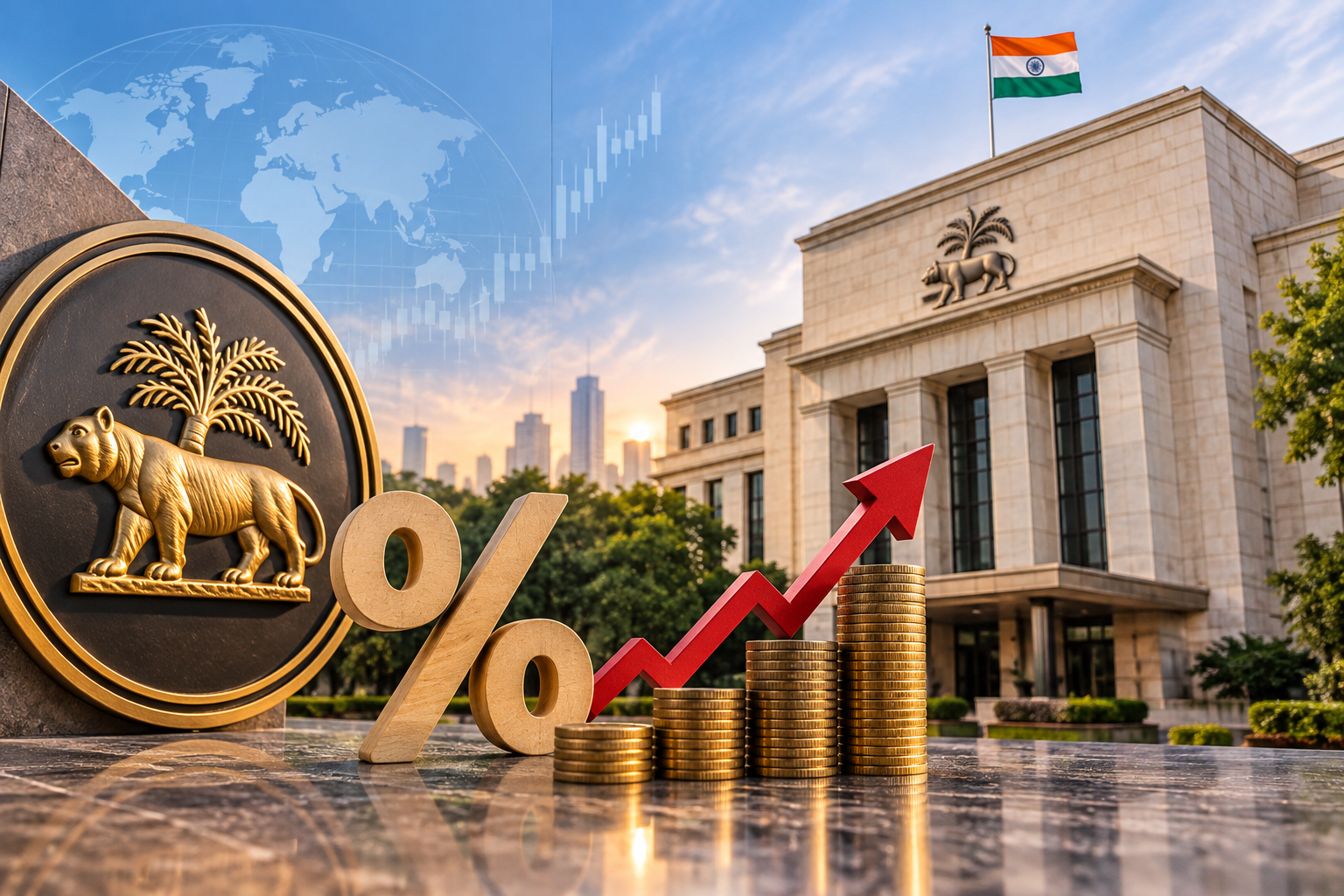
NEW DELHI — Amid escalating tensions in West Asia and mounting concerns over a widening current account deficit (CAD), the Prime Minister’s Office (PMO) has stepped in to safeguard India’s economy. The PMO has directed four crucial ministries to draft an urgent blueprint aimed at curbing fuel consumption and conserving precious foreign exchange.
The mandate has been handed down to the Ministries of Road Transport and Highways, Petroleum and Natural Gas, Power, and Heavy Industries. According to senior officials, the directive is wide-ranging, asking for “anything and everything” that can effectively dent India’s heavy reliance on imported crude oil in the shortest possible timeframe.
High Taxes on Flex-Fuel Vehicles Under Review
One of the most significant policy shifts currently on the table is a drastic reduction in the Goods and Services Tax (GST) for flex-fuel vehicles.
Currently, the auto industry faces heavy taxation on these vehicles. Flex-fuel cars attract a base GST of 28% plus an additional compensation cess that can scale up to 15% for larger models. This pushes the effective tax burden anywhere from 18% to more than 40% depending on the vehicle segment.
The government is actively discussing slashing this rate closer to the 5% flat GST enjoyed by electric vehicles (EVs)—a move the automotive industry has long championed to make eco-friendly alternatives viable for the mass market.
Bridging the Gap to 2027
The sudden urgency stems from a regulatory gap. While India is slated to implement much stricter fuel-efficiency mandates under Corporate Average Fuel Efficiency (CAFE-3) norms, those regulations do not take effect until April 2027. With the West Asia crisis threatening oil supply chains and inflating India’s import bills right now, the government cannot afford to wait.
As an interim fix, policymakers are looking at a multifaceted strategy:
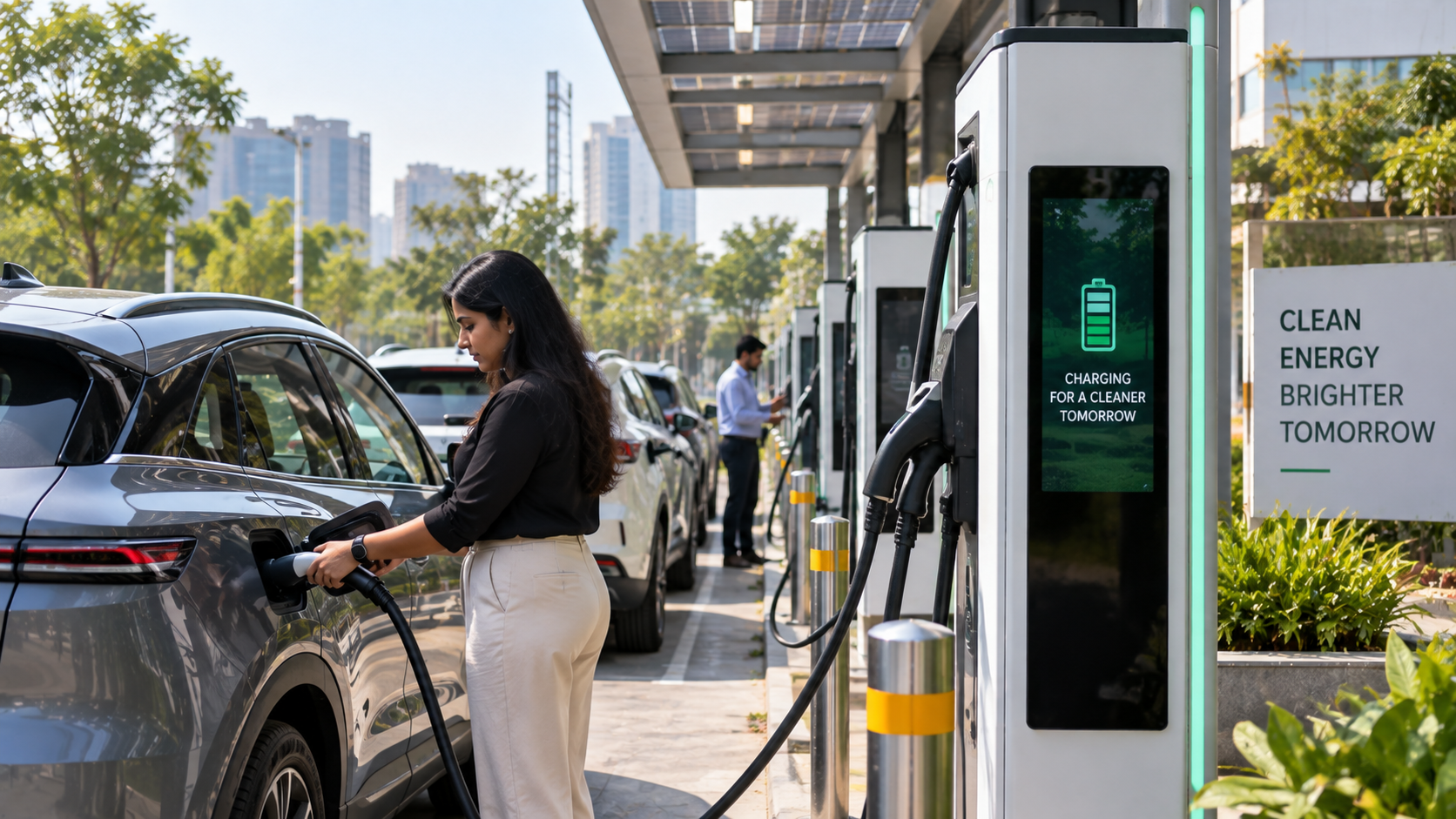
- Promoting EVs and Flex-Fuel: Lowering entry barriers for alternative fuel tech.
- Reviving Small Cars: Encouraging the adoption of entry-level internal combustion engine (ICE) cars, which inherently deliver superior mileage and consume less fuel.
- Broadening Options: Evaluating hybrids, electric, and flex-fuel models to reduce the cost of acquisition for regular buyers while shrinking the national oil bill.
Automakers Ready to Roll
The push away from traditional petrol and diesel is already finding strong backing from India’s automotive sector. Road Transport and Highways Minister Nitin Gadkari confirmed that 12 major manufacturers—including Toyota, Tata Motors, Mahindra & Mahindra, and Suzuki—have already developed flex-fuel capabilities.
Furthermore, Maruti Suzuki is scheduled to launch a 100% ethanol-powered vehicle on June 5, marking a highly symbolic and practical milestone for the country’s green transition.
The proposed tax restructuring is expected to be a primary talking point ahead of the upcoming GST Council meeting, where a final decision could reshape India’s automotive landscape.