Key Highlights
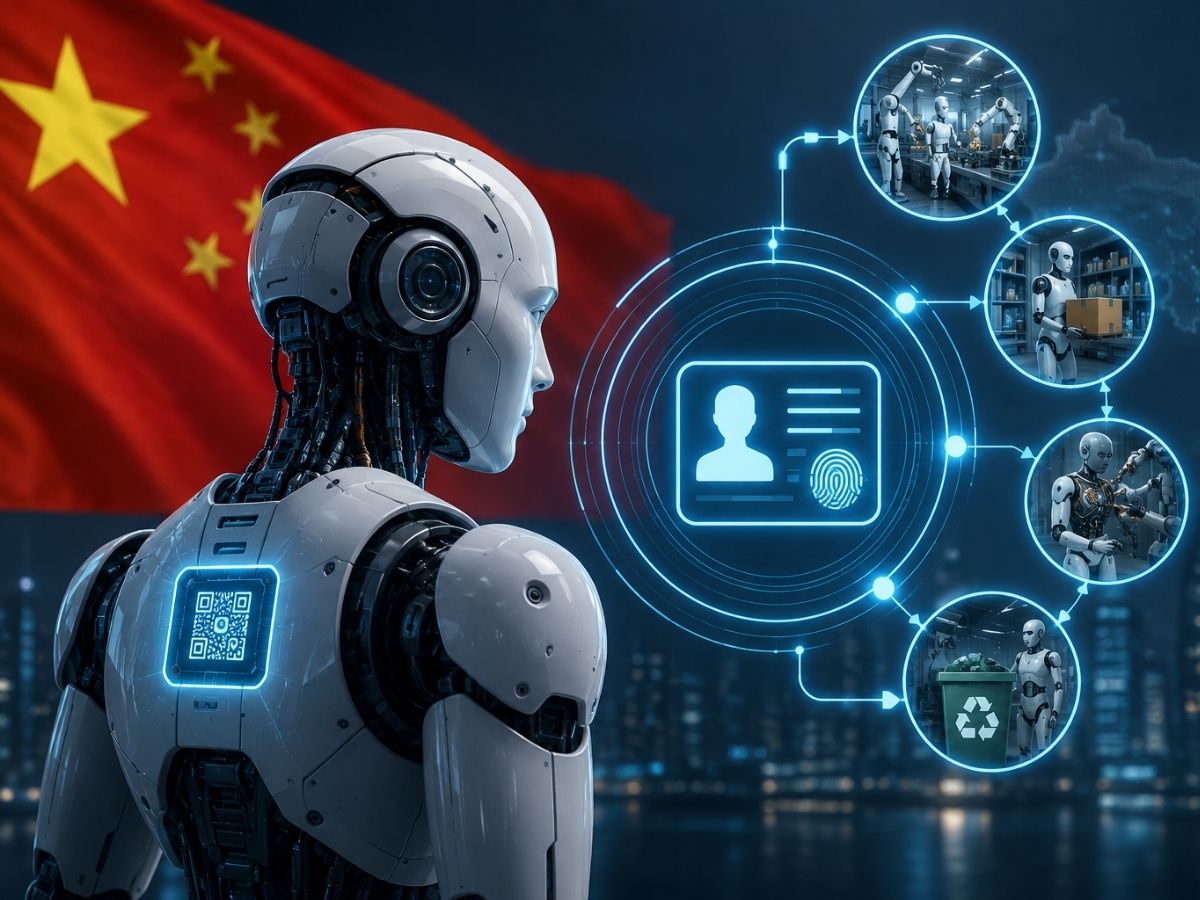
- China launches a national digital identity platform for humanoid robots.
- Every robot receives a unique 29-digit identification code.
- System tracks robots from manufacturing to disposal.
- Digital IDs include manufacturer, model, deployment and maintenance records.
- “No Code, No Market Access” rule introduced.
- Refurbished robots made from scrapped units cannot be resold.
- Over 28,000 robots already registered.
- More than 100 Chinese robot manufacturers have joined the platform.
China has introduced a nationwide digital identity system for humanoid robots, becoming one of the first countries to implement a comprehensive lifecycle tracking framework for AI-powered machines. Under the new initiative, every humanoid robot manufactured in the country will receive a unique 29-digit identification code, effectively serving as a digital passport that follows the robot from production to retirement.
The new platform, known as the Humanoid Full Lifecycle Management Service Platform, is being overseen by China’s Ministry of Industry and Information Technology through its humanoid robotics standardization committee. The system aims to improve regulation, accountability, safety oversight and industry standardization as China’s robotics and artificial intelligence sectors continue to expand rapidly.
Each robot’s digital identity will store critical information including manufacturer details, model specifications, deployment records, maintenance history, ownership changes, repairs, recycling status and final disposal records. Authorities believe the platform will help identify defective products more quickly, streamline recalls and establish clear responsibility in cases involving accidents, malfunctions or safety concerns.
A major feature of the framework is its strict compliance requirement. Under a “No Code, No Market Access” policy, humanoid robots cannot be legally sold or deployed in China without first being registered and assigned a digital identity. Reports indicate that more than 100 robot manufacturers have already joined the platform, with over 28,000 robots across 200 different models registered so far. The initiative is viewed as a significant step toward managing the growing role of AI-powered robots in industries ranging from manufacturing and healthcare to logistics and public services.
Why It Matters
- Improves robot safety and accountability.
- Helps authorities monitor AI-powered machines.
- Supports recalls and defect tracking.
- Creates industry-wide standards for humanoid robotics.
- Could become a model for other countries as AI robots become more common.