Key Highlights
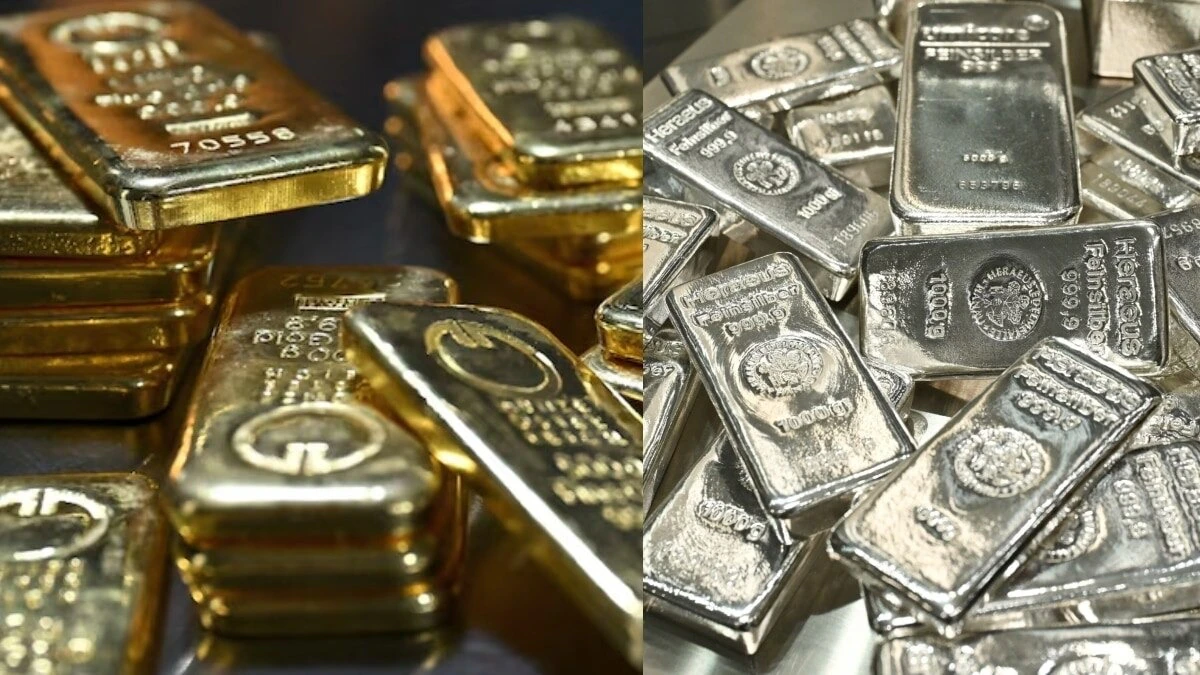
- Government increases import duty on gold and silver from 6% to 15%.
- Import duty on platinum raised from 6.4% to 15.4%.
- Decision aimed at conserving foreign exchange and managing the current account deficit (CAD).
- Move comes amid global uncertainty caused by the ongoing West Asia crisis and volatile energy markets.
- Government seeks to prioritize forex reserves for essential imports such as crude oil, fertilizers, defence equipment, industrial raw materials, and critical technologies.
- Measure is intended to moderate non-essential imports and reduce external-sector risks.
- Officials describe the duty hike as a calibrated and temporary policy response rather than a restriction on consumers.
- Customs duty on precious metals was previously reduced in Union Budget 2024-25 when macroeconomic conditions were more favorable.
News Summary
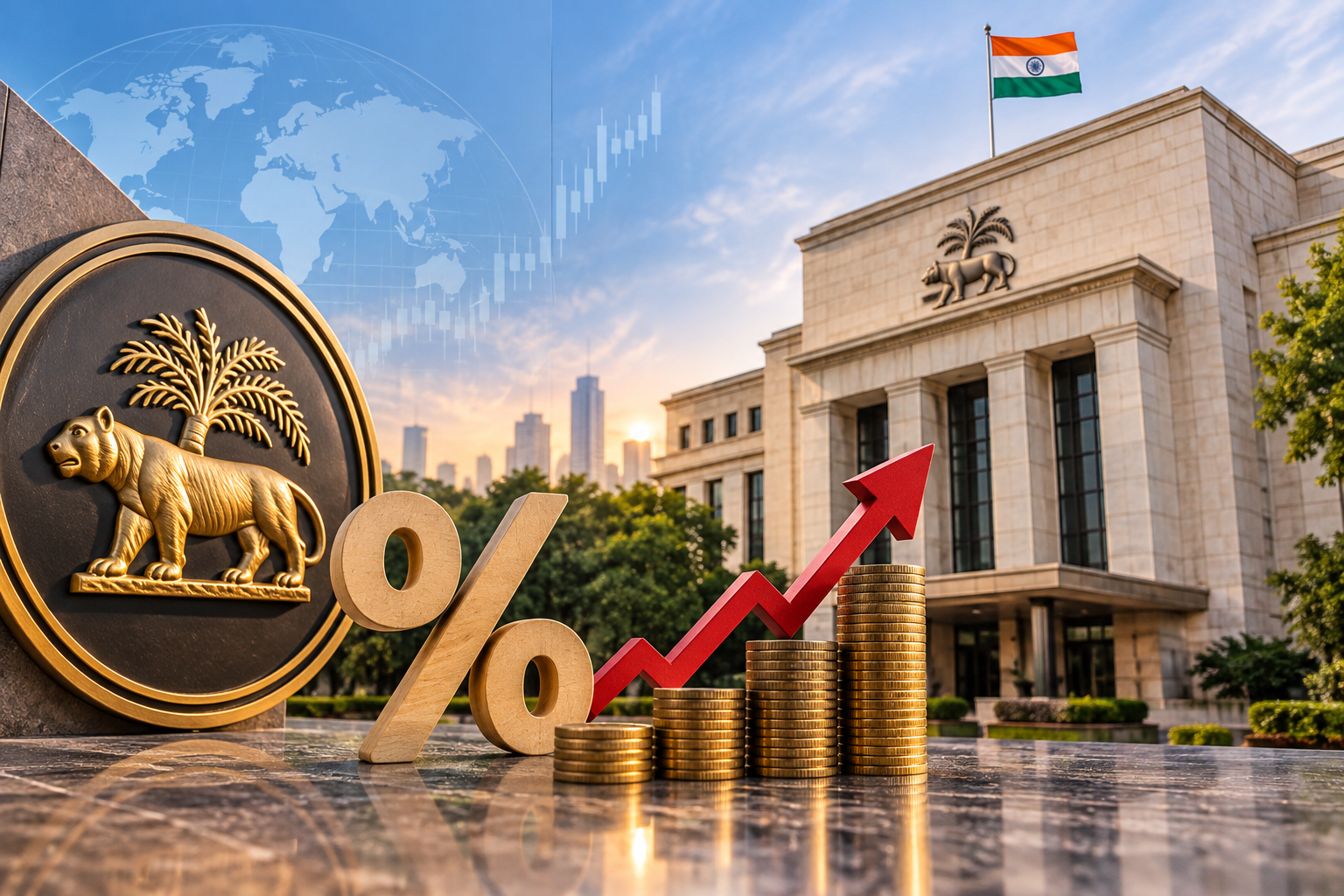
The Government of India has increased customs duties on precious metals, including gold, silver, platinum, and related products, as part of a broader strategy to safeguard macroeconomic stability during a period of heightened global uncertainty.
Under the revised structure, import duty on gold and silver has been raised from 6% to 15%, while platinum duty has increased from 6.4% to 15.4%. Similar adjustments have been made for gold and silver dore, coins, findings, and related items.
The government said the decision is aimed at conserving foreign exchange reserves, reducing pressure on the current account deficit, and ensuring that external resources are directed toward essential imports such as crude oil, fertilizers, industrial inputs, defence requirements, and critical technologies.
Officials noted that the ongoing West Asia crisis has increased volatility in global energy markets and shipping routes, raising concerns over India’s import bill and inflation outlook. The duty increase is expected to moderate discretionary demand for precious metals while maintaining market flexibility and consumer choice.
The government emphasized that customs duty rates on precious metals have historically been adjusted in line with prevailing economic conditions. While duties were reduced in 2024 amid stronger external-sector conditions, the current hike reflects a preventive approach to managing emerging risks and strengthening economic resilience.