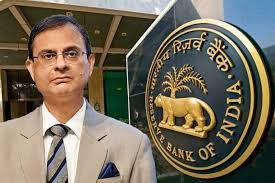
RBI FY26 Earnings: How the Central Bank Earned ₹4.28 Lakh Crore and Spent ₹1.41 Lakh Crore

Key Highlights

  • RBI reported a record ₹4.28 lakh crore total income in FY26, up 26% YoY.
  • Surplus transfer (dividend) to the government reached a record ₹2.87 lakh crore.
  • Foreign exchange operations generated ₹1.69 lakh crore in gains.
  • RBI sold $195 billion worth of foreign currency to support the rupee.
  • Interest income from government securities stood at ₹1.18 lakh crore.
  • Interest earned on foreign securities rose to ₹1.08 lakh crore.
  • Foreign deposits contributed ₹27,407 crore in income.
  • Total expenditure reached ₹1.41 lakh crore.
  • Provisions for investment losses and forex contracts accounted for ₹1.09 lakh crore.
  • Currency printing expenses stood at ₹4,875 crore, while employee costs rose to ₹10,136 crore.

News Summary

The Reserve Bank of India (RBI) recorded its highest-ever annual income of ₹4.28 lakh crore in FY26, enabling it to transfer a record surplus of ₹2.87 lakh crore to the central government.

A major contributor to this earnings surge was the RBI’s intervention in the foreign exchange market. Amid global uncertainty, foreign investor outflows, and a weakening rupee, the central bank sold approximately $195 billion of foreign currency reserves. The resulting exchange gains from these transactions amounted to ₹1.69 lakh crore, making it the largest source of income during the year.

To offset the liquidity impact of these forex sales and support monetary easing, RBI purchased nearly ₹9 lakh crore worth of government bonds. These holdings generated interest income of ₹1.18 lakh crore. Additionally, interest earned on foreign securities increased to ₹1.08 lakh crore, while foreign deposits contributed another ₹27,407 crore.

On the expenditure side, RBI spent around ₹1.41 lakh crore during FY26. The largest component was provisions worth ₹1.09 lakh crore, made to account for mark-to-market losses on domestic and foreign securities and losses arising from forward contracts used in rupee defence operations.

Operational expenses remained comparatively modest, with currency printing costing ₹4,875 crore and employee expenses increasing to ₹10,136 crore.

The strong earnings performance highlights how RBI’s core functions—managing foreign exchange reserves, maintaining liquidity, and stabilizing financial markets—can generate substantial income while supporting broader macroeconomic objectives.


Previous Post
Next Post

Most Recent Posts

  • All Post
  • 8th Pay Commission
  • Agriculture
  • AI Technology
  • Artificial Intelligence
  • Audio Products
  • Auto Industry
  • Automobile
  • Aviation
  • Bank
  • Banking
  • Beverages
  • Brand Insight
  • Bullion Market
  • Business
  • Business & Economy
  • Business & Trade
  • Business Leadership Post COVID-19
  • Business Terminology
  • Business Utilities
  • China technology news
  • Commodities
  • Companies
  • Consumer Affairs
  • Consumer Electronics
  • Consumer Finance
  • Consumer Markets
  • Consumer News
  • Consumer Rights
  • Corporate
  • Corporate Earnings
  • Corporate Governance
  • Corporate Social Responsibility
  • Country
  • CSR
  • Currency
  • Customs Duty
  • Cyber Security
  • Defence
  • Digital India
  • Digital passport for robots
  • Digital Payments
  • Diplomacy
  • Economy
  • Editor Choice
  • Education
  • Electric Vehicles
  • EV Technology
  • Farmers
  • Fashion
  • Financial Markets
  • Financial Planning
  • Fintech
  • Foreign Policy
  • Fuel
  • Future Energy
  • Gadgets & Apps
  • Geopolitics
  • Global Brand Alliance
  • Global Economy
  • Global Politics
  • Global Tech
  • Gold
  • Gold Market
  • Gold Prices
  • Government Policy
  • Government Policy & Regulation
  • Government Scheme
  • GST
  • Hatchback Segment
  • humanoid robot market
  • IBT Infographics
  • India Auto Market
  • India Business News
  • India Inc
  • India News
  • India-Canada Relations
  • India-South Korea Relations
  • India-US Relations
  • Indian Economy
  • Inflation
  • Infra
  • Infrastructure
  • Insurance
  • International Affairs
  • International Trade
  • Interview
  • Investing
  • Jobs & Careers
  • Leaderspeak
  • Lifestyle Tech
  • Loans & Credit
  • Macroeconomy
  • Markets
  • Mobility
  • Monetary Policy
  • MSME
  • Nano Tech
  • National
  • Oil & Gas
  • Others
  • Passenger Vehicles
  • Pension & Retirement
  • Personal Finance
  • Perspectives
  • Pharmaceuticals
  • Precious Metals
  • Public Policy
  • RBI
  • Real Estate & Realty Sector
  • Reliance Industries
  • Renewable Energy
  • Retail
  • Robotics & Automation
  • robotics standards
  • Rural Development
  • Science & Technology
  • Security
  • Semiconductor
  • Silver Prices
  • Smart Devices
  • Smart Mobility
  • Social Impact
  • Software Development
  • Space Technology
  • Stock Market
  • Sugar Industry
  • Taxation
  • Tech
  • Tech Branding
  • Technology
  • Top Story
  • Trade
  • Trade Agreement
  • Trade Basket
  • Trade Partner
  • Trade Policy,
  • Travel
  • Trending
  • UPI
  • Wealth Management
  • Wearables
  • World News
  • Worldview
  • zLead Slider
    •   Back
    • Healthcare
    • Auto
    • Fmcg
    • Hospitality
    •   Back
    • Cash Crop
    • Organic
    • New Era Agri
    • Processed Food
    •   Back
    • Construction
    • Power
    • Mining
    • Telecom
    •   Back
    • Export/Import
    • Trade Deal
    • Trade Fair
    •   Back
    • Policies
    • Industry
    • Finance
    •   Back
    • Others technology
    • Mobile phone
    • Gadgets
    •   Back
    • Manufacturing
    • Services
    • Startup

India Business & Trade is a thought leadership initiative of the Trade Promotion Council of India, a premier trade promotion body recognised by the Department of Commerce, Government of India.

Reach Us

India Business & Trade
M-62, Saket, New Delhi-110064, India

Subscribe To Newsletter

Stay ahead in the dynamic world of trade and commerce with India Business & Trade’s weekly newsletter.

Copyright © 2026 India Business & Trade. All Rights Reserved