
Highlights:
- Fuel prices remain unchanged on June 10 after recent hikes.
- Petrol and diesel costs have risen nearly ₹7.5 per litre since May 15.
- West Asia conflict disrupted global crude and gas supplies.
- India faced pressure due to dependence on Gulf energy imports.
- Oil Minister expects fuel prices to soften in coming months.
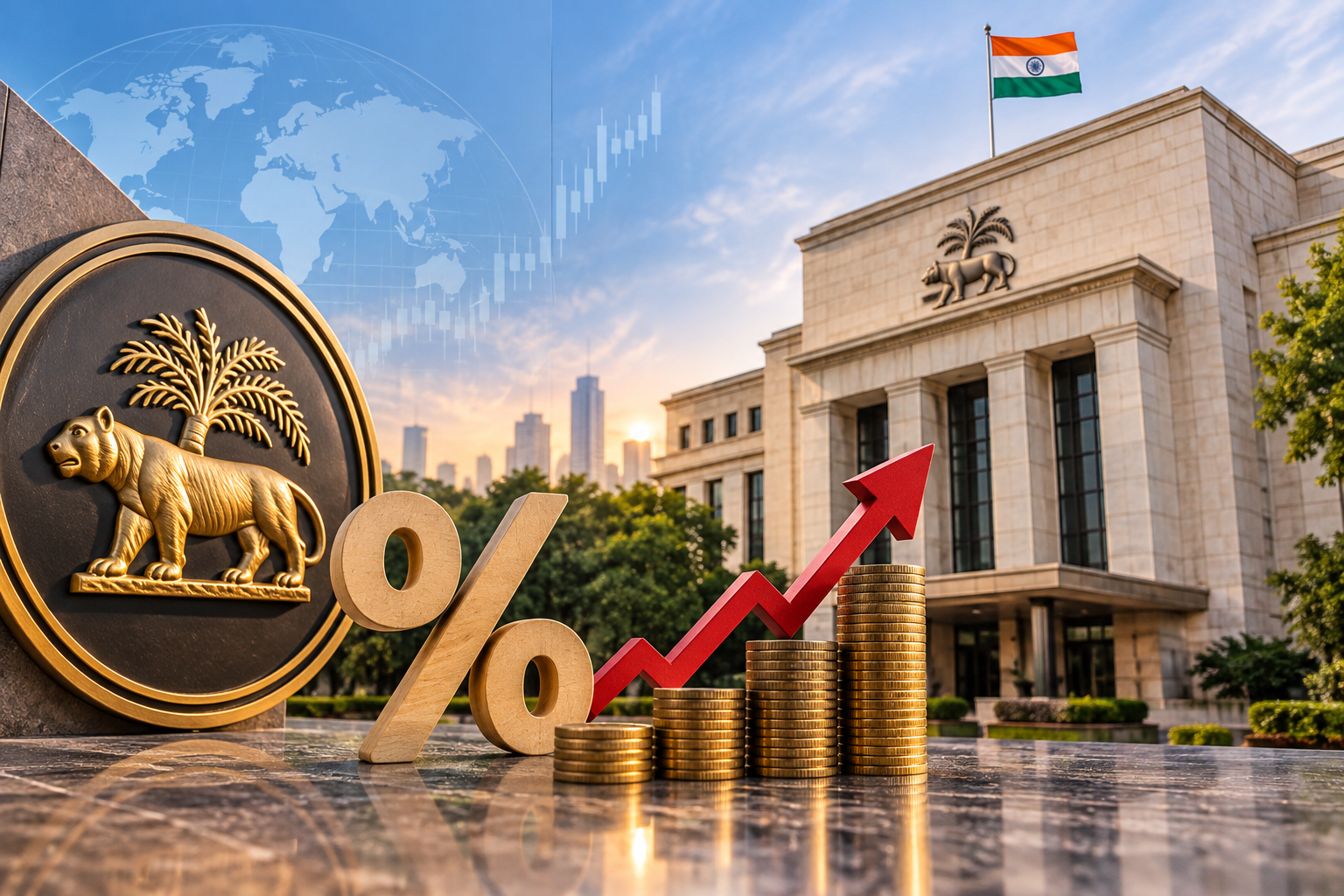
New Delhi, June 10: Petrol and diesel prices remained unchanged across major Indian cities on Tuesday, offering temporary relief to consumers after a series of steep increases over the past few weeks. The stability comes after oil marketing companies (OMCs) raised fuel prices by more than ₹2.50 per litre on May 25, marking the fourth hike in less than two weeks.
The cumulative increase in petrol and diesel prices since May 15 now stands at nearly ₹7.5 per litre, pushing retail fuel rates to their highest levels since May 2022. The recent surge has significantly impacted transportation costs and household budgets, sparking concerns among consumers and businesses alike.
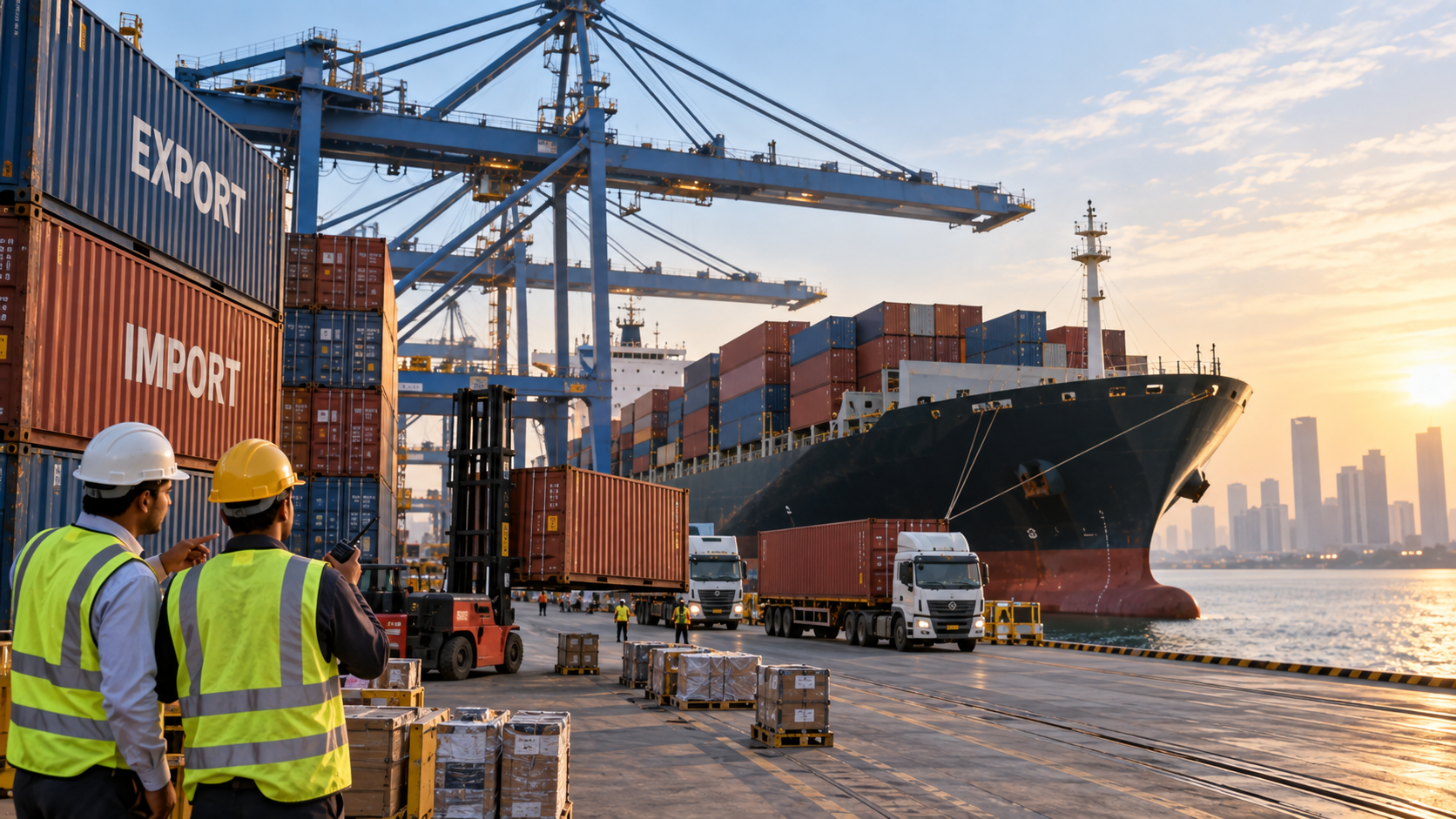
The fuel price hikes were primarily driven by rising international crude oil prices, which surged amid escalating geopolitical tensions and conflict in West Asia. The region remains a critical energy hub, with approximately one-fifth of global oil and gas supplies transported through the strategically important Strait of Hormuz.
India, one of the world’s largest energy importers, has been particularly vulnerable to disruptions in the region. Industry estimates indicate that nearly 40% of India’s crude oil imports, 65% of natural gas requirements, and 90% of LPG supplies are sourced from Gulf nations. Supply chain disruptions caused by the prolonged conflict led to increased procurement costs for refiners, eventually resulting in higher fuel prices for consumers.
Despite current concerns, the government remains optimistic about the medium-term outlook. Union Petroleum and Natural Gas Minister Hardeep Singh Puri has indicated that fuel prices may ease in the coming months as global supply conditions improve.
According to the minister, sufficient crude oil inventories are available globally, and additional supplies from countries such as Canada and the United States are expected to help stabilize the market. He noted that oil prices are unlikely to remain elevated indefinitely unless geopolitical tensions intensify further.
Market analysts believe that any decline in international crude prices could provide room for domestic fuel prices to moderate, although the pace of reductions will depend on global demand, supply dynamics, and currency movements.
For now, consumers continue to grapple with elevated fuel costs while closely watching developments in international energy markets.