Key Highlights
• SBI Research estimates RBI’s recent measures could attract USD 55-65 billion in foreign capital inflows during FY27.
• The inflows are expected to strengthen the rupee and improve India’s balance of payments position.
• RBI has introduced concessional forex swap facilities for FCNR(B) deposits and external commercial borrowings.
• Banking system deposit growth could rise to 14.5-15% in FY27, according to the report.
• The overall balance of payments is projected to record a surplus of USD 5-10 billion.
• Improved liquidity may help narrow the credit-deposit gap and support lower interest rates.
• The measures are aimed at attracting stable foreign capital without increasing domestic interest rates.
Foreign capital inflows could strengthen the rupee, improve liquidity and support a balance of payments surplus in FY27
The Reserve Bank of India’s recent policy measures aimed at attracting foreign capital are expected to generate inflows worth USD 55-65 billion during the current financial year, according to a report released by SBI Research. The report suggests that these initiatives could strengthen the Indian rupee, improve banking system liquidity, and push the country’s balance of payments (BoP) into surplus territory.
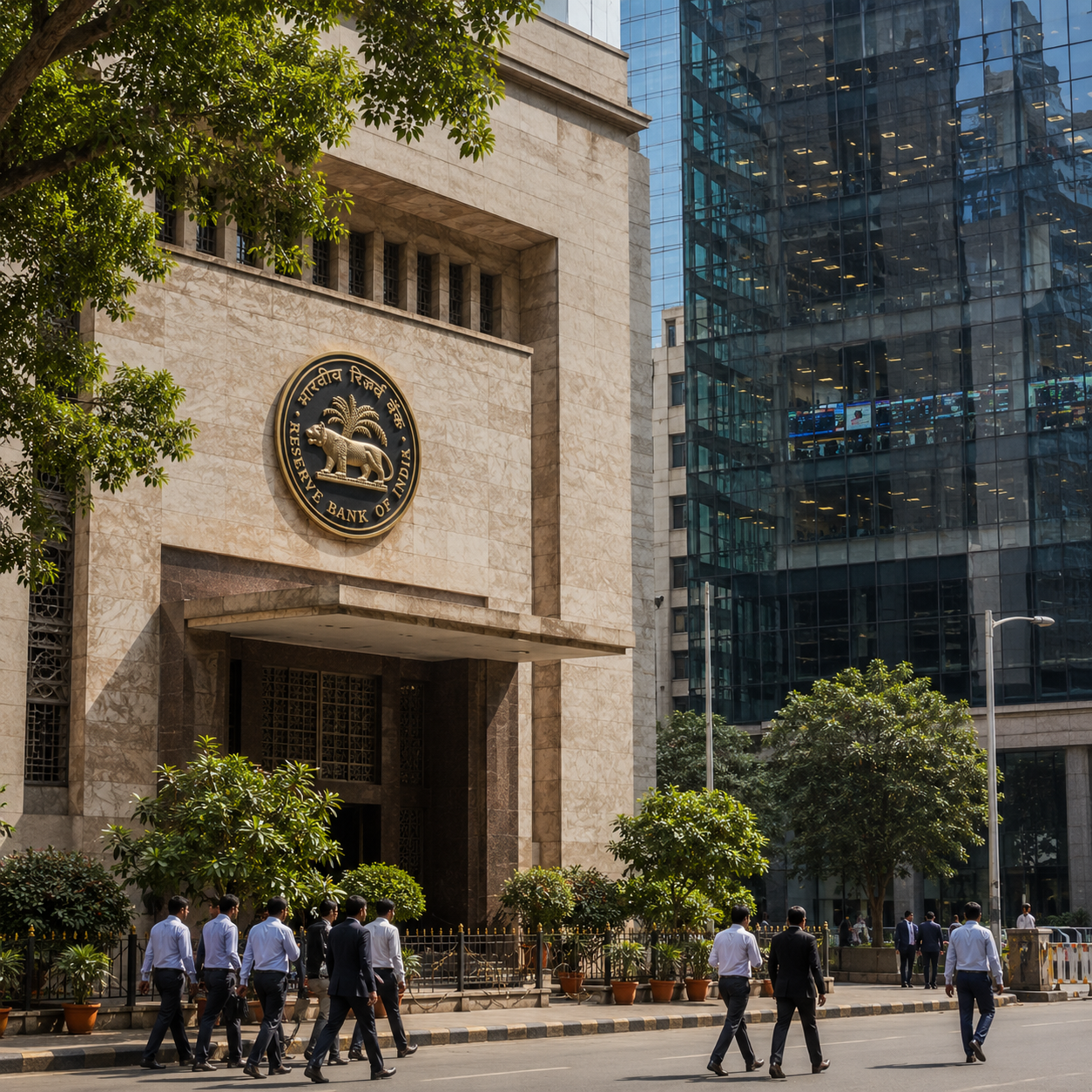
According to the latest Ecowrap report prepared by SBI’s Economic Research Department, the RBI’s actions taken in February and June 2026 represent a coordinated strategy to stabilize the rupee, deepen India’s debt markets, encourage long-term foreign capital inflows, and facilitate smoother access to external funding.
Following the June monetary policy announcement, the RBI introduced several measures designed to attract foreign currency inflows. These include a concessional foreign exchange swap facility to encourage public sector undertakings to raise funds through External Commercial Borrowings (ECBs). Similar benefits have also been extended to banks mobilizing fresh Foreign Currency Non-Resident Bank [FCNR(B)] deposits with maturities ranging from three to five years.
The report noted that while the February measures focused primarily on structural reforms and market development, the latest June initiatives are intended to support the rupee and attract foreign capital without putting upward pressure on domestic interest rates.
SBI Research estimates that the anticipated inflows of USD 55-65 billion could significantly improve liquidity across the banking system. Deposit growth for FY27 is projected to increase to approximately 14.5-15 percent, compared with expected credit growth of around 16 percent. This would help narrow the credit-deposit gap by nearly ₹1 lakh crore after adjusting for regulatory requirements.
The report further highlighted that a stronger deposit base could support a decline in the term structure of interest rates, benefiting both borrowers and financial institutions. Analysts also pointed out that a similar situation occurred during FY14 when FCNR(B) mobilization contributed to balancing deposit and credit growth.
One of the most significant projections in the report relates to India’s balance of payments outlook. SBI now expects the overall BoP to record a surplus of USD 5-10 billion during FY27, a substantial improvement from its earlier estimate of a USD 65-70 billion deficit.
The current account deficit is expected to remain manageable at around 1.5-1.7 percent of GDP. India’s balance of payments reflects all financial transactions between the country and the rest of the world, including trade, remittances, foreign investments, and external borrowings.
To help stabilize the rupee, the RBI has launched a special US dollar-rupee swap facility for fresh FCNR(B) deposits with tenures ranging from three to five years. The facility became operational on June 10 and will remain available until October 16, 2026.
Economists believe the measures could enhance investor confidence, support foreign exchange reserves, and provide greater resilience against global financial volatility. With global capital flows becoming increasingly competitive, the RBI’s proactive approach is expected to strengthen India’s position as an attractive destination for international investment while maintaining macroeconomic stability.