India’s Silver Imports Plunge More Than 80% in May After Government Raises Import Duty and Tightens Licensing Rules to Curb Record Inflows
Highlights
- India’s silver imports hit a record $12.05 billion in FY2025-26.
- Government raised silver import duty from 6% to 15%.
- DGFT moved silver imports to the restricted category.
- Silver imports fell 81.6% in May after policy changes.
- Gold imports remain unaffected by similar restrictions.
By
Ajay Srivastava
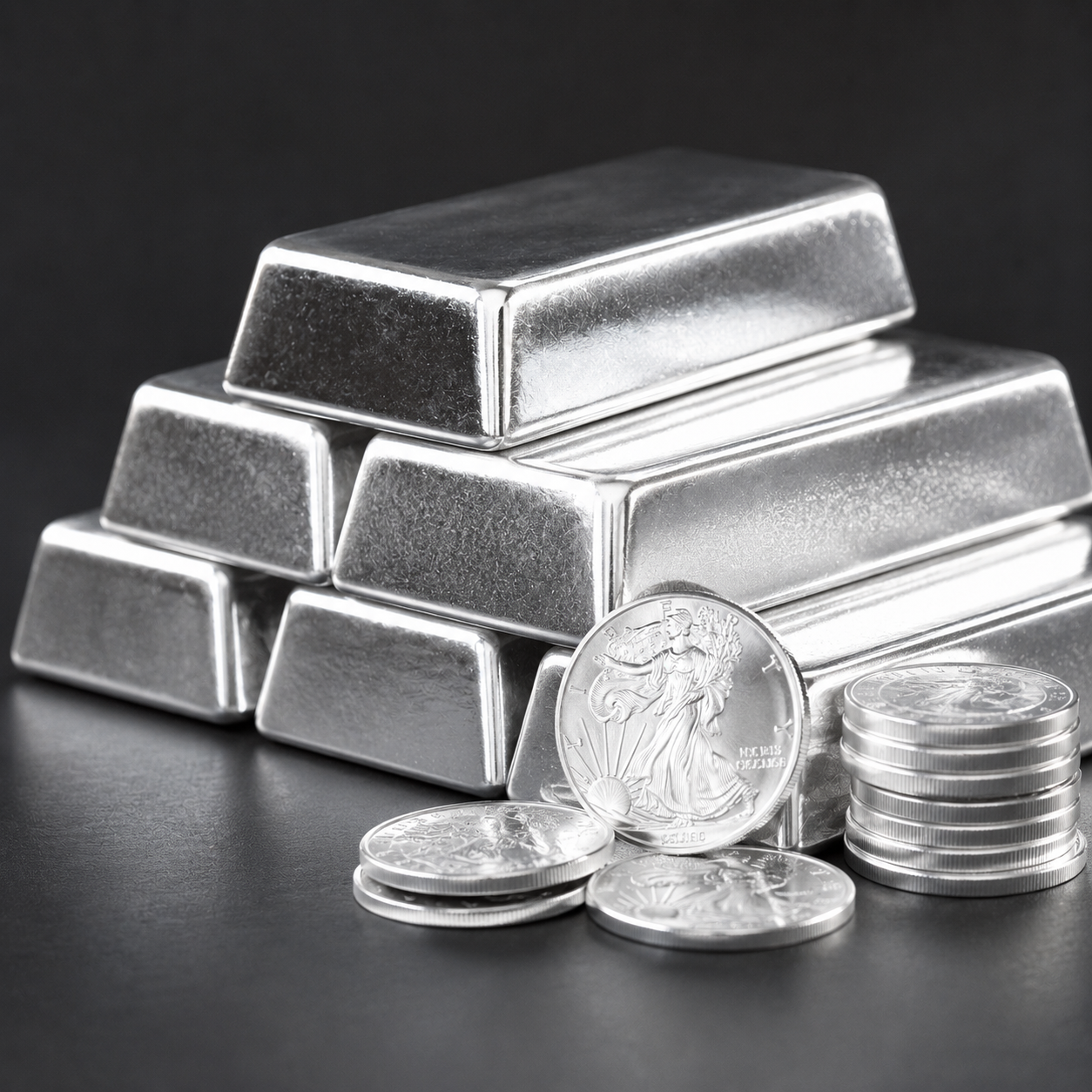
India’s silver import boom has come to an abrupt halt after the government introduced a series of measures aimed at controlling record inflows of the precious metal.
Silver imports surged from $4.83 billion in FY2024-25 to a record $12.05 billion in FY2025-26, marking a massive 149.6% year-on-year increase and making silver one of India’s fastest-growing import categories.
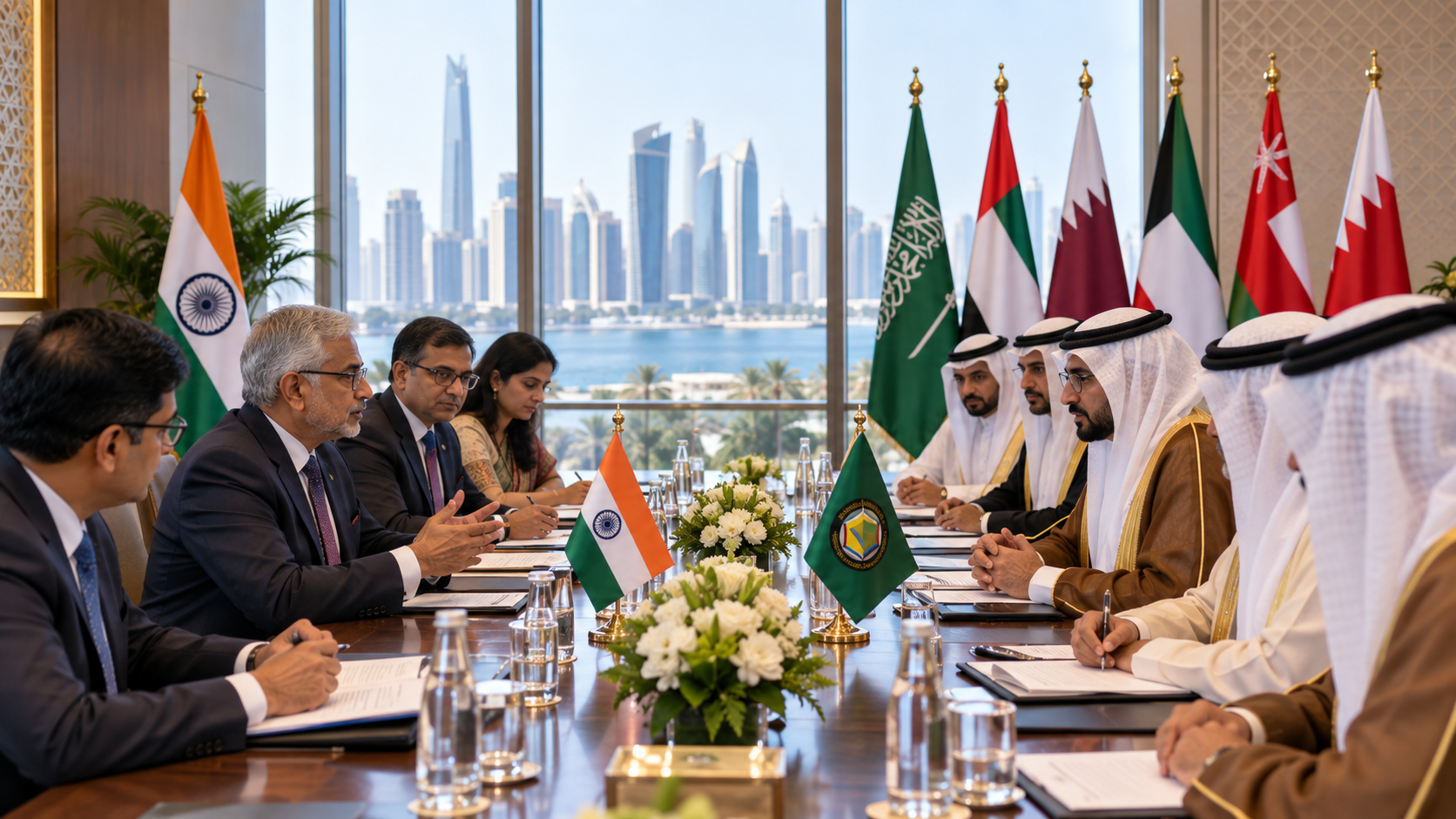
Concerned about the sharp rise in imports, the government increased the import duty on silver from 6% to 15% on May 12, 2026. However, the higher duty unintentionally created an 8-percentage-point tariff advantage for imports routed through the India-UAE Free Trade Agreement (FTA), raising concerns that traders could continue importing silver via the UAE at lower costs.
To address the issue, the Directorate General of Foreign Trade (DGFT) moved silver imports into the “restricted” category on May 16, 2026. Under the new framework, importers must obtain government licenses before bringing silver into the country.
The combined impact of higher duties and licensing requirements was immediate. Silver imports dropped from $411 million in April 2026 to just $76 million in May 2026, representing a steep 81.6% decline within a single month.
Industry observers believe future silver imports will largely depend on the number of licenses issued by the DGFT. Importers may continue sourcing silver from the UAE under preferential trade provisions or import from other countries while paying the full 15% duty.
Unlike silver, gold has not faced similar restrictions. Analysts note that the tariff advantage available under the UAE trade agreement for gold is only around 1% under a tariff-rate quota mechanism, limiting opportunities for large-scale arbitrage and reducing concerns over excessive imports.
The government’s move is aimed at managing import volumes, reducing potential trade distortions, and ensuring that preferential trade agreements are not used to bypass higher tariff structures.