Weak consumer spending and slowing investment signal mounting pressure on China’s economy, despite resilient manufacturing and high-tech growth.
Key Highlights:
- China’s retail sales declined 0.6% in May 2026, the first drop in three years.
- Fixed asset investment weakened sharply, reflecting slowing business activity.
- Consumer confidence remains subdued amid economic uncertainty.
- Labour Day holiday spending failed to boost retail demand.
- Industrial production rose 4.5%, supported by manufacturing activity.
- High-tech manufacturing output jumped 15.1% on strong AI-related demand.
China’s economy has shown fresh signs of weakness after retail sales recorded their first decline in three years, highlighting growing concerns over domestic demand and consumer confidence in the world’s second-largest economy.
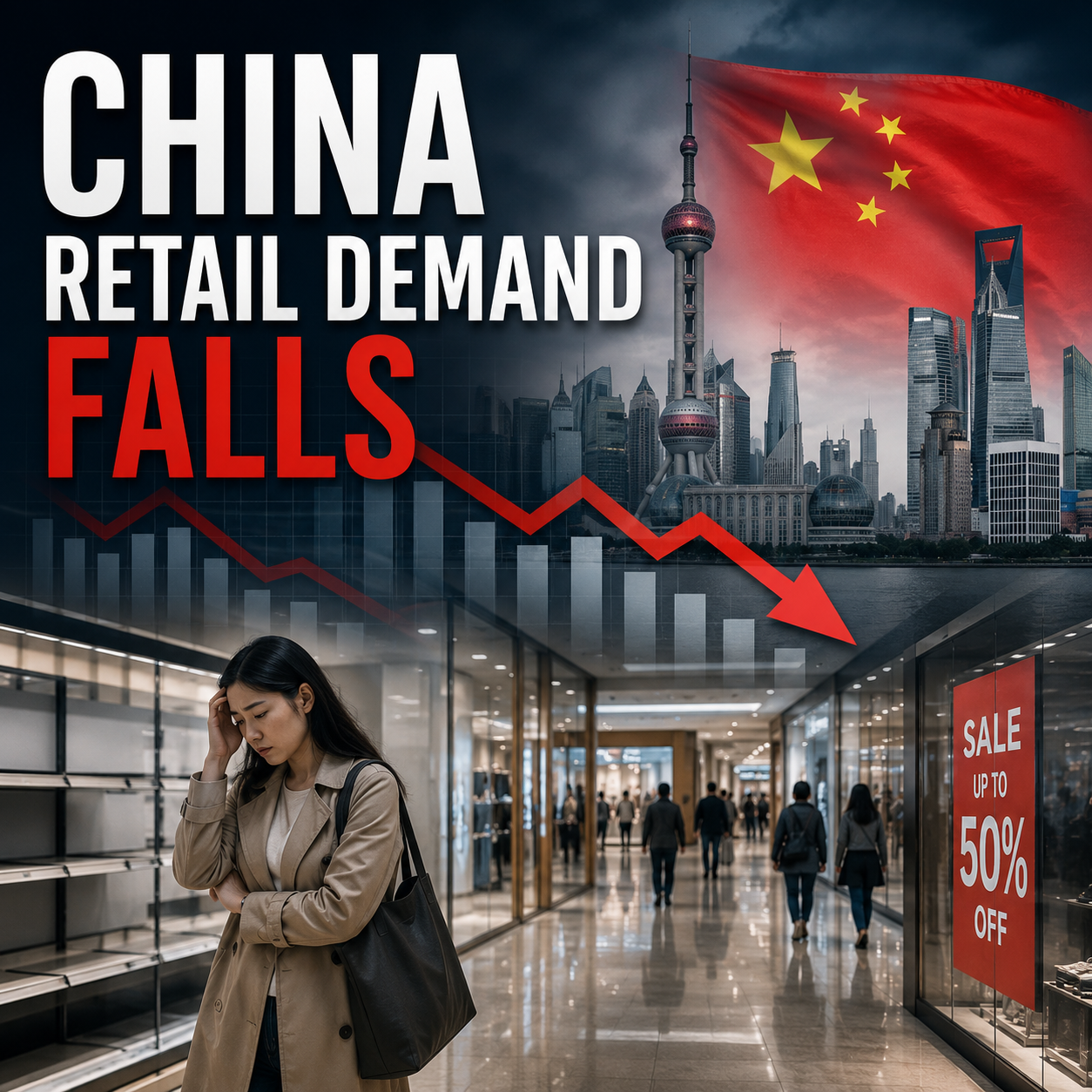
According to data reported by Reuters, China’s retail sales fell 0.6 percent year-on-year in May 2026, marking the first contraction since December 2022. The decline indicates that households are becoming increasingly cautious about spending amid ongoing economic uncertainties.
The slowdown was not limited to consumer spending. Fixed asset investment also weakened significantly, falling 4.1 percent during the January-May 2026 period, compared with a 1.6 percent decline recorded during January-April. The sharp deterioration points to reduced business investment and softer economic activity.
Economists attribute much of the pressure to the prolonged weakness in China’s real estate sector, which continues to weigh on investment sentiment and broader economic growth. Many companies remain hesitant to launch new projects, affecting demand across multiple industries.
Consumer caution has become increasingly visible across sectors, including automobile sales and discretionary spending. Analysts say households are prioritising savings over major purchases as concerns about future economic conditions persist.
Even the five-day Labour Day holiday in May failed to generate the expected boost in consumption. Government-backed consumer incentive programmes also appear to be losing momentum, limiting their ability to stimulate spending.
Businesses across the services sector have reported weaker demand. Some hospitality operators noted that reduced corporate spending on entertainment and events has affected revenues, forcing companies to offer discounts and promotions to attract customers.
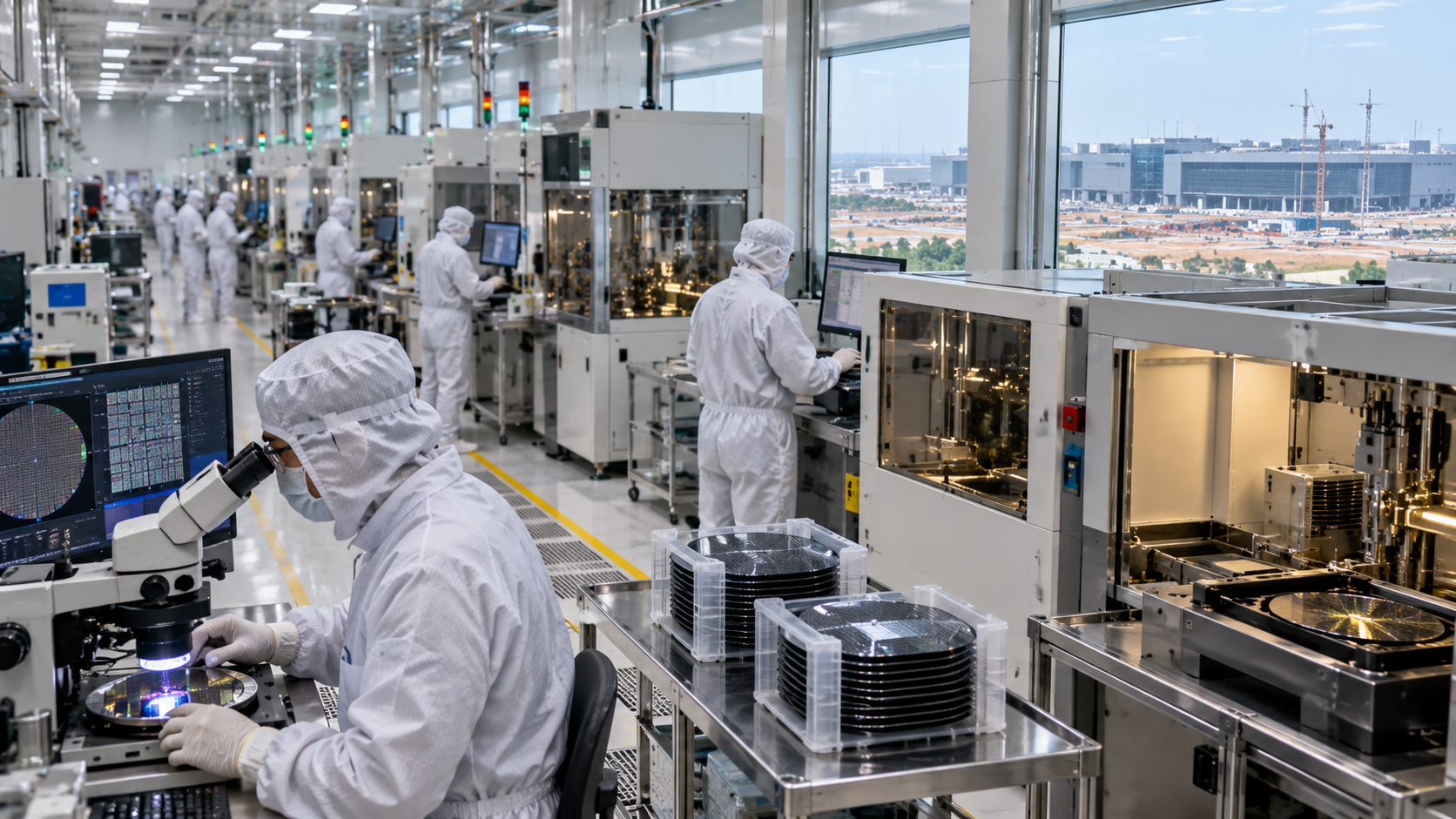
Despite the weakness in retail and investment activity, China’s manufacturing sector continues to provide some support to the economy. Industrial production increased 4.5 percent in May, improving from 4.1 percent growth in April.
High-tech manufacturing emerged as a bright spot, with output rising 15.1 percent year-on-year. Growing global demand for artificial intelligence-related products and advanced technologies has helped support activity in the sector.
The latest figures present a mixed picture for China’s economy. While factories and exporters continue to perform relatively well, domestic consumption and investment remain under pressure. Analysts warn that if weak consumer demand persists, Beijing may need to introduce additional stimulus measures to support growth and restore confidence.
The unexpected decline in retail sales is being viewed as a significant warning sign for China’s economic outlook and could increase pressure on policymakers to take further action in the coming months.