
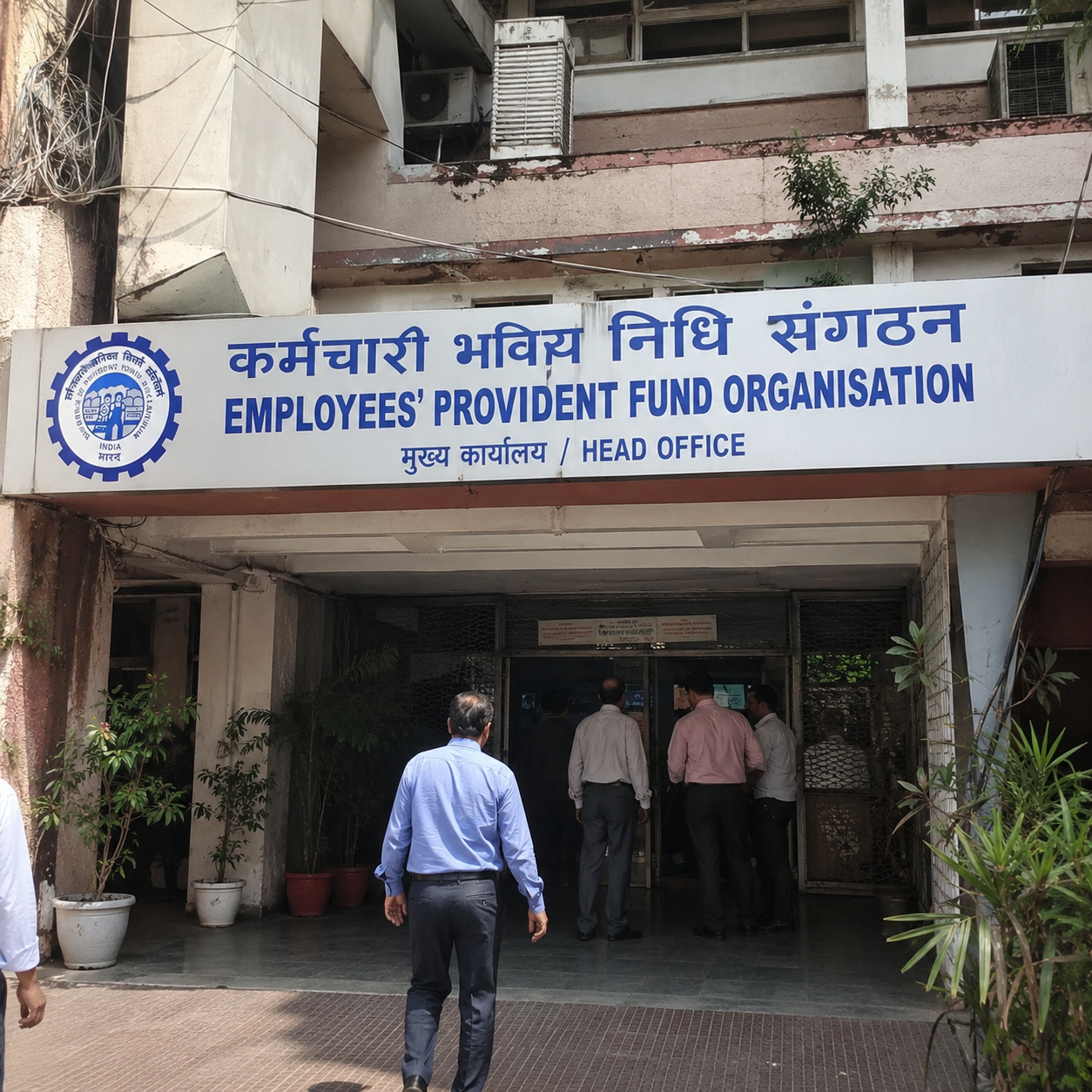
PF contribution rates, UAN and interest rules largely remain unchanged under the updated framework.
Key Highlights
- EPF Scheme, 2026 replaces the EPF Scheme, 1952.
- The new framework came into effect on June 29, 2026.
- Employee and employer contribution rates remain unchanged.
- Existing EPF withdrawal and VPF provisions continue.
- UAN and PF account portability remain unaffected.
- The scheme places greater emphasis on digital administration.
- Exempted provident fund trusts will face stricter oversight.
New Delhi, July 3, 2026: The Central government has notified the Employees’ Provident Funds Scheme, 2026, replacing the decades-old EPF Scheme, 1952, under the Code on Social Security, 2020.
The new scheme came into effect on June 29, 2026, and introduces a modern legal and administrative framework for managing provident fund accounts. For existing EPFO members, however, most major contribution and benefit provisions will continue without disruption.
PF Contribution Rate Remains Unchanged
Employees will continue contributing 12% of eligible wages towards their provident fund, while employers will contribute an equal amount under the existing structure.
The reduced contribution rate of 10% for establishments specifically notified by the government will also continue.
Employees may still make additional voluntary contributions through the Voluntary Provident Fund. Employers are not required to match these additional VPF contributions.
No Immediate Change in EPF Interest
The new scheme does not automatically revise the interest earned on EPF balances.
The annual EPF interest rate will continue to be recommended by the Central Board of Trustees and approved by the Central government.
Existing members do not need to open a new account or transfer their accumulated balance because of the change in the legal framework.
UAN and Account Portability Continue
The Universal Account Number will continue to serve as the permanent identification number for EPFO subscribers.
Members will be able to retain the same UAN while changing jobs, helping them transfer and manage their provident fund savings through a unified account.
Employers will also be responsible for helping eligible workers generate their UAN where required.
Greater Focus on Digital Services
The EPF Scheme, 2026 formally strengthens EPFO’s digital-first approach.
Online claim filing, electronic record maintenance, digital account statements, online employer returns and technology-based inspections will become central to the administration of the scheme.
The reforms are expected to make EPF services more transparent, paperless and accessible for subscribers and employers.
Stricter Oversight of Exempted PF Trusts
Establishments that operate their own exempted provident fund trusts will face stricter governance, reporting and compliance requirements.
The updated rules seek to ensure that privately managed PF trusts provide benefits and financial protection that are not less favourable than those offered by EPFO.
For ordinary EPFO subscribers, the transition is expected to remain seamless, with their existing balances, service history and account information continuing under the new framework.