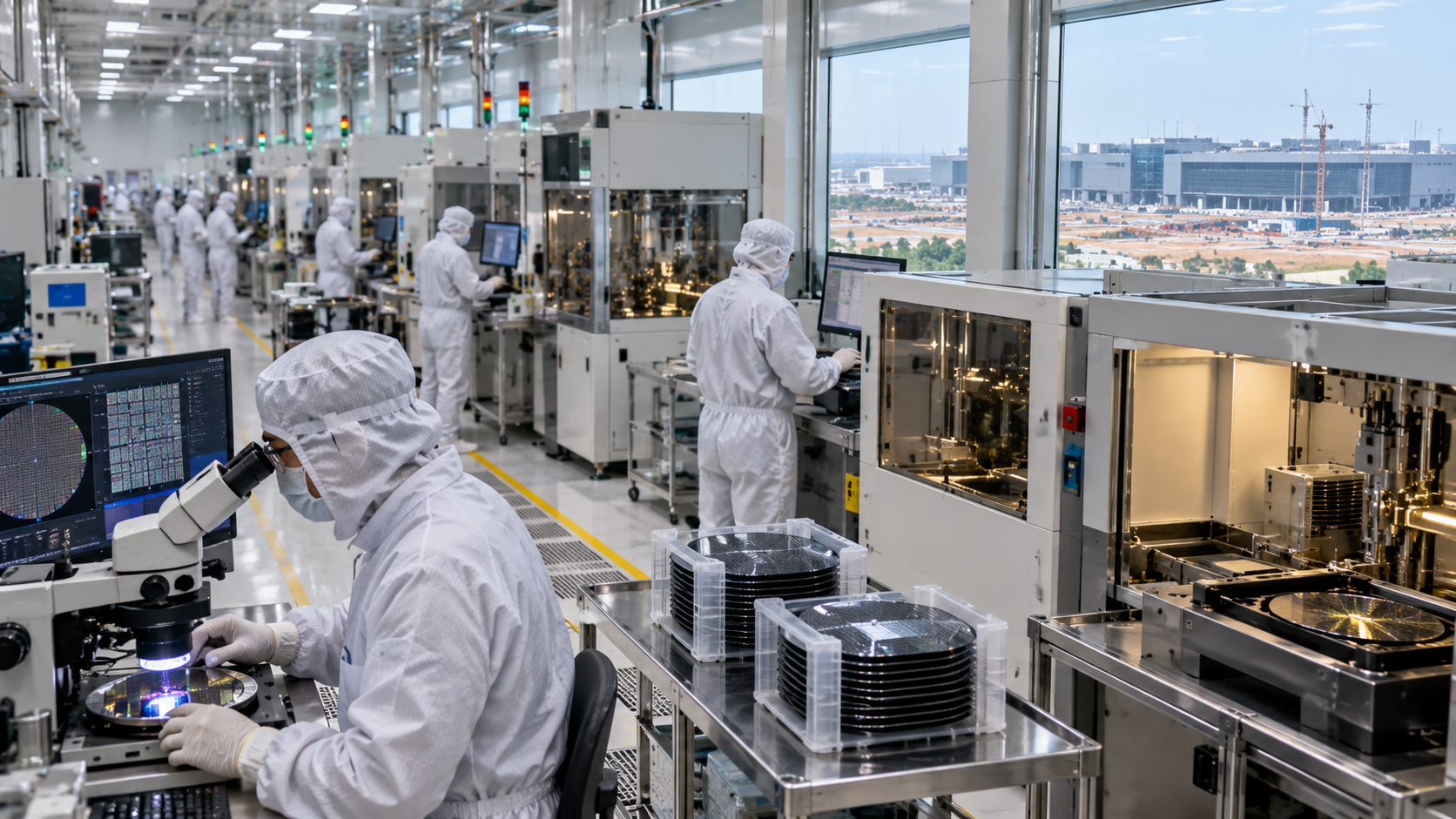

Customs relief on key electronics inputs aims to boost domestic manufacturing until March 2029.
Key Highlights
- The Centre has exempted customs duty on 85 capital goods used in lithium-ion cell manufacturing.
- Duty has also been waived on inputs for display assemblies and wireless charging modules.
- The exemptions will remain in effect until March 2029.
- The move is aimed at strengthening India’s electronics manufacturing ecosystem and supporting the PLI initiative.
- The policy is expected to encourage investments in battery manufacturing and increase domestic value addition.
New Delhi: The Union government has waived customs duty on 85 capital goods used in lithium-ion cell manufacturing, along with key inputs required for display assemblies and wireless charging modules, in a move aimed at accelerating domestic electronics manufacturing.
The exemptions, announced by the Finance Ministry, will remain in force until March 2029 and cover a range of components and manufacturing equipment, including backlight units, frames, anisotropic conductive film, cathode and anode extrusion coating machines, powder dryers and slurry transfer systems.
According to government officials, the duty relief is intended to strengthen local manufacturing of display assemblies used in the automotive, medical and industrial sectors, while also promoting greater value addition in smartphone production through support for wireless charging components.
The revised notification also broadens the scope of customs exemptions for lithium-ion cell manufacturing by removing restrictions tied to specific battery applications. This means the benefits will now extend to batteries used across consumer electronics, electric vehicles, energy storage systems and other industries.
Industry experts said the decision will improve cost competitiveness, encourage localisation of high-value manufacturing and accelerate investments in India’s battery ecosystem. The move is also expected to reinforce the government’s Production Linked Incentive (PLI) programme by supporting the development of advanced electronics manufacturing capabilities.
The policy comes as India continues to expand its electronics manufacturing base, with the government seeking to strengthen domestic production, reduce import dependence and position the country as a global manufacturing hub.