India has started supplying gasoline to Russia through trader-mediated channels as damage to Russian refineries has created a domestic fuel shortage. The development highlights India’s growing role as a global refining hub while Russian crude imports continue to hit record highs.
Key Highlights
- India-origin gasoline has reached Russia through international traders.
- Russia’s refinery capacity has been hit by repeated drone attacks during the Ukraine war.
- Around 45% of Russia’s refining capacity was reportedly offline in June 2026.
- India’s imports of Russian crude touched a record high in June.
- India exports 350,000–400,000 barrels of gasoline per day to global markets.
- The government says Indian companies are not directly selling fuel to Russia.
Reverse Oil Flow: Why India Is Supplying Gasoline to Russia
In a surprising shift in global energy trade, India has emerged as a supplier of gasoline to Russia, a country traditionally known as one of the world’s largest exporters of crude oil and refined petroleum products.
The development comes as Russia struggles with fuel shortages after repeated Ukrainian drone attacks damaged several of its refineries. According to industry estimates, nearly 45% of Russia’s refining capacity was offline during June 2026, significantly reducing the country’s ability to produce gasoline and diesel. As a result, Moscow has begun importing gasoline to meet domestic demand.
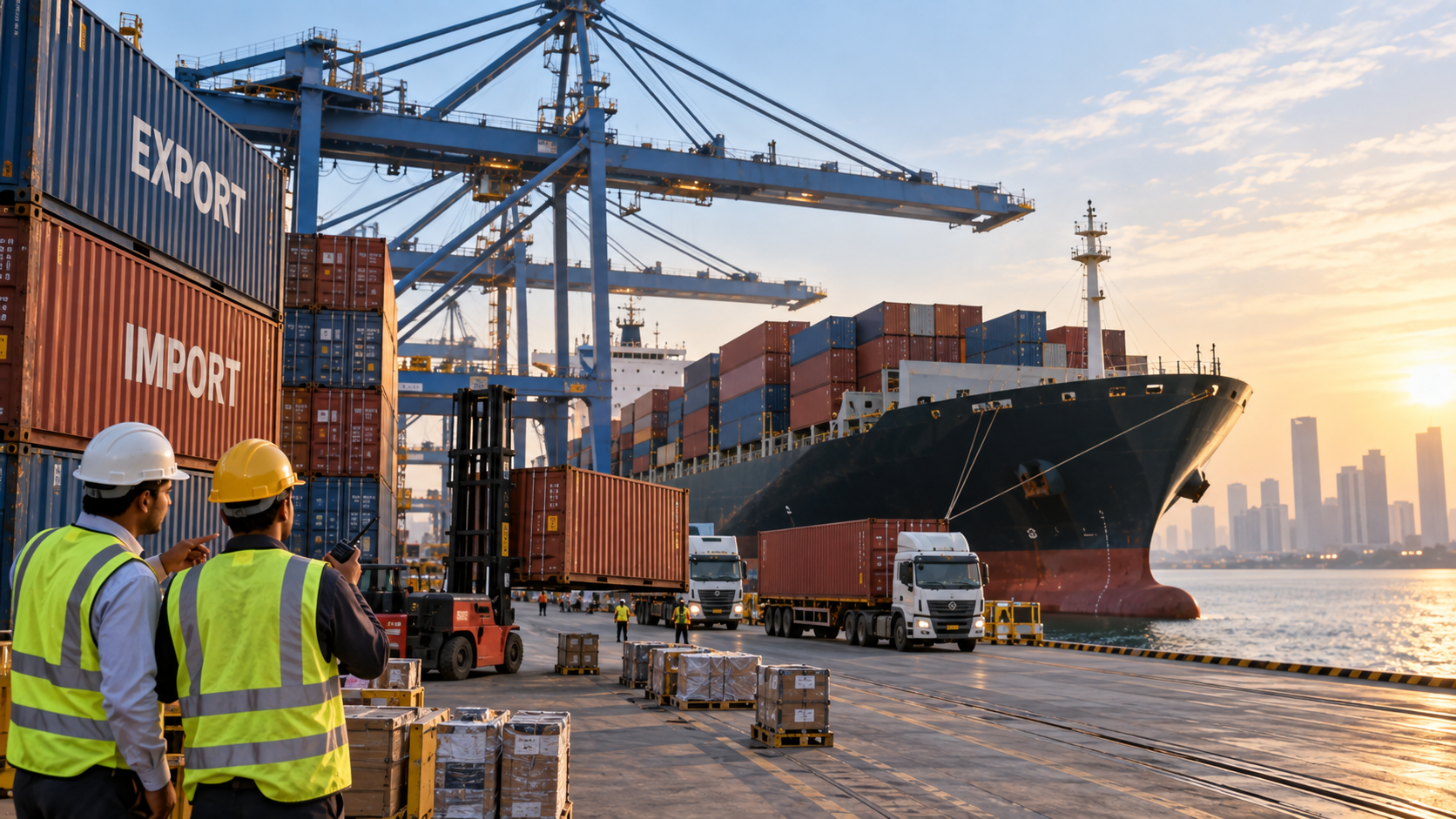
According to reports, around 60,000 metric tonnes of gasoline produced at Nayara Energy’s refinery in Gujarat reached Russia through international traders. However, Union Petroleum Minister Hardeep Singh Puri clarified that Indian companies are not directly exporting fuel to Russia. Instead, traders are purchasing Indian-origin petroleum products and supplying them to Russian buyers.
The Ukraine conflict has created an unusual situation in the global oil market. While Russia continues exporting large volumes of crude oil, its damaged refining infrastructure has reduced its capacity to convert crude into transportation fuels. Experts estimate that Russia’s gasoline production has fallen sharply, forcing it to seek imports until refinery repairs are completed.
India is well positioned to fill this gap. The country is among the world’s largest exporters of refined petroleum products, shipping roughly 350,000 to 400,000 barrels of gasoline daily to markets across Asia, Africa, Europe and North America. Indian refineries already produce Euro-5 standard gasoline, making them capable of supplying fuel that meets Russian quality requirements.
Analysts believe this trade further strengthens India’s position as a global refining hub. Indian refiners continue to import discounted Russian crude, process it into higher-value fuels and export those products worldwide.
Although the current trade volumes are relatively small and are unlikely to significantly impact India’s refining industry, future geopolitical developments and additional sanctions on shipping, traders or financial institutions could influence this emerging trade route. For now, India’s role in the global energy supply chain continues to expand as it balances commercial interests with international diplomatic considerations.