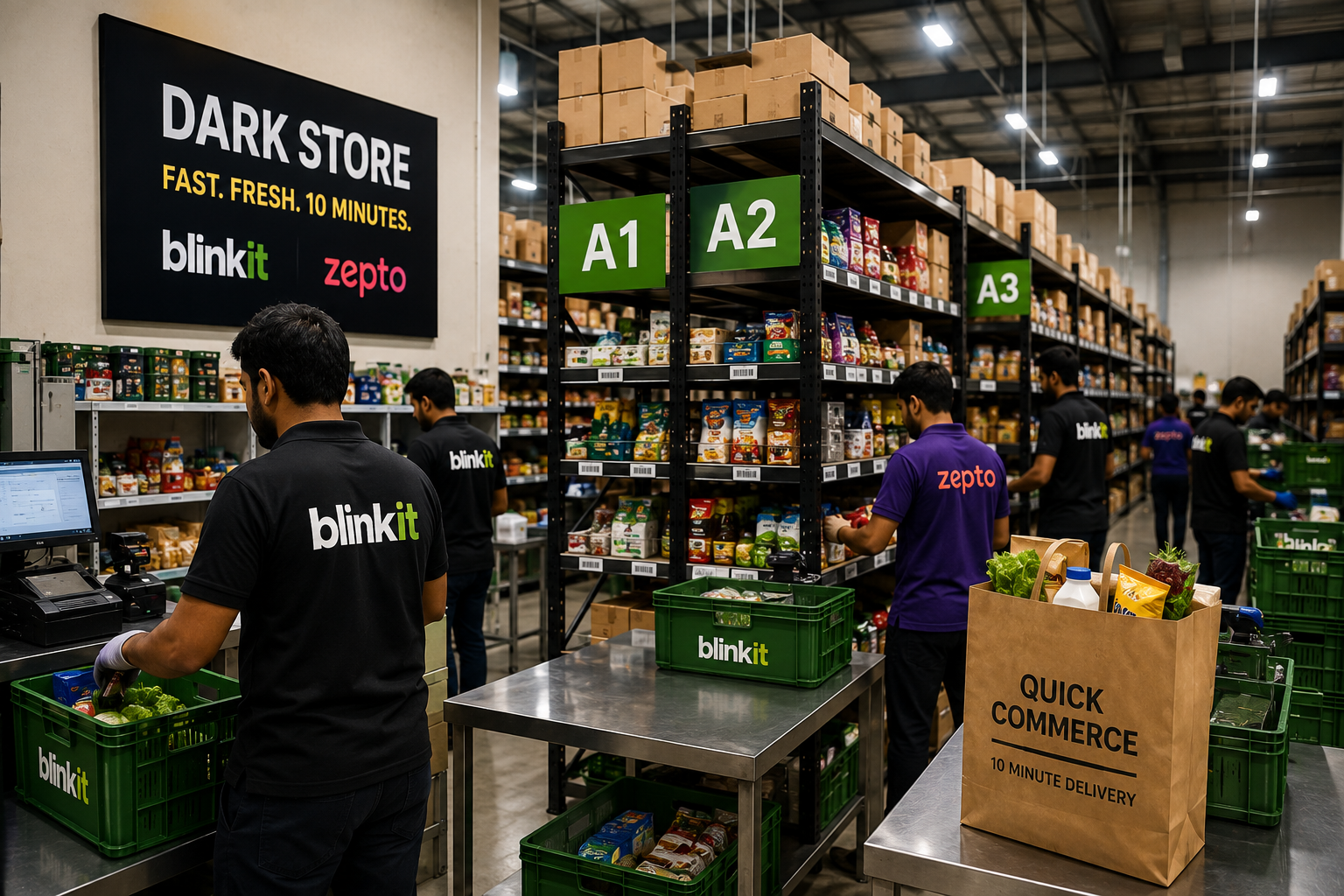
Dark stores are the backbone of India’s booming quick-commerce industry. While they promise attractive revenue, profitability depends on investment, order volume and efficient operations.
Highlights
- Dark stores enable 10–12 minute deliveries for quick-commerce platforms.
- Initial investment ranges from ₹15 lakh to ₹1 crore, depending on scale.
- Revenue and profits largely depend on daily order volumes and location.
New Delhi:
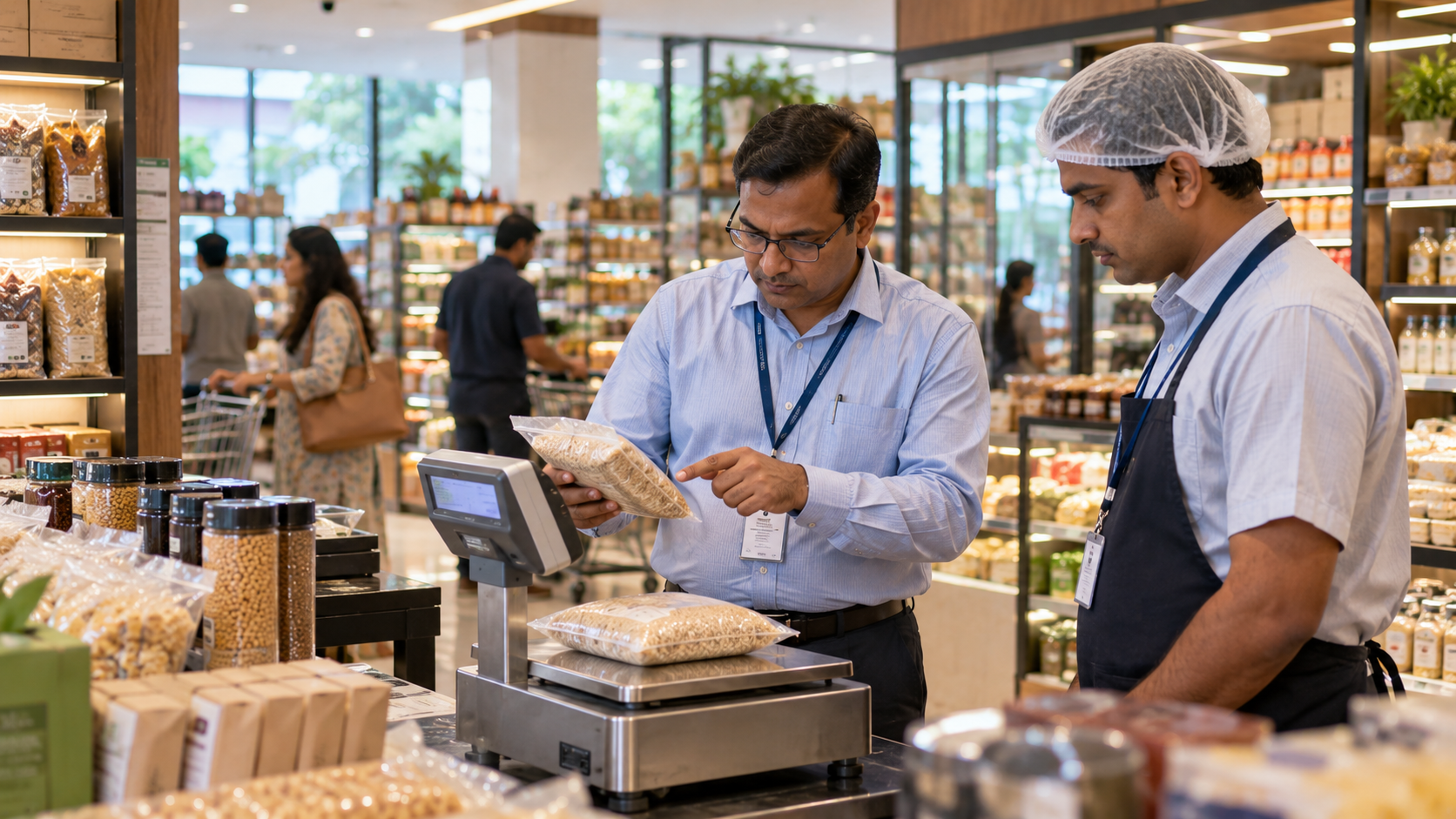
The rapid growth of quick-commerce platforms such as Blinkit and Zepto has increased demand for dark stores—small warehouses designed exclusively to process online orders. Unlike traditional retail outlets, customers do not visit these facilities. Instead, orders are picked, packed and dispatched to delivery partners for ultra-fast deliveries.
Setting up a dark store requires significant investment. A small-scale facility can be established with an investment of around ₹15–20 lakh, covering warehouse space, storage racks, technology infrastructure and initial inventory. In metro cities, where rental and operational costs are higher, the investment may rise to ₹20–40 lakh. Large-format stores or franchise-based operations can require ₹40–80 lakh, with some setups costing as much as ₹1 crore.
According to industry estimates, a typical dark store processes 800–1,500 orders per day. With an average margin of ₹20–40 per order, monthly gross revenue can range between ₹5 lakh and ₹15 lakh, depending on demand.
However, gross revenue does not translate directly into profit. Expenses such as warehouse rent, employee salaries, electricity, logistics, technology costs and inventory wastage significantly reduce earnings. In the initial months, net profit margins are generally estimated at 5–10%, while many stores take six to twelve months to reach the break-even point.
A standard dark store usually requires 2,000–3,000 square feet of warehouse space, storage racks, cold storage facilities, packing systems, trained staff and an initial inventory worth ₹3–7 lakh.
Individuals cannot simply purchase a Blinkit or Zepto dark store. Instead, they must partner with the company through its franchise or partner model. The company typically provides the technology platform and order flow, while the partner invests in setting up and operating the facility.
As India’s quick-commerce market continues to expand, dark stores present a promising business opportunity. However, industry experts believe success depends on selecting the right location, maintaining high order volumes and managing operating costs efficiently. Prospective investors are advised to carefully review the official terms and business model of the company before making any investment decisions.