Government Seeks Industry Feedback
Key Highlights
- Government has released the draft CAFE III fuel efficiency norms for passenger vehicles.
- The proposed regulations will replace the existing CAFE II norms from April 2027.
- Stakeholders have been invited to submit suggestions before the norms are finalized.
- The framework aims to improve fuel efficiency and reduce vehicle emissions.
- The proposed standards will apply to M1 category passenger vehicles manufactured or imported in India.
New Delhi: The government has released the draft Corporate Average Fuel Economy (CAFE III) norms, inviting automobile manufacturers, industry bodies and other stakeholders to provide feedback on the proposed fuel efficiency standards for passenger vehicles. The new regulations are expected to replace the existing CAFE II norms after they expire on March 31, 2027.
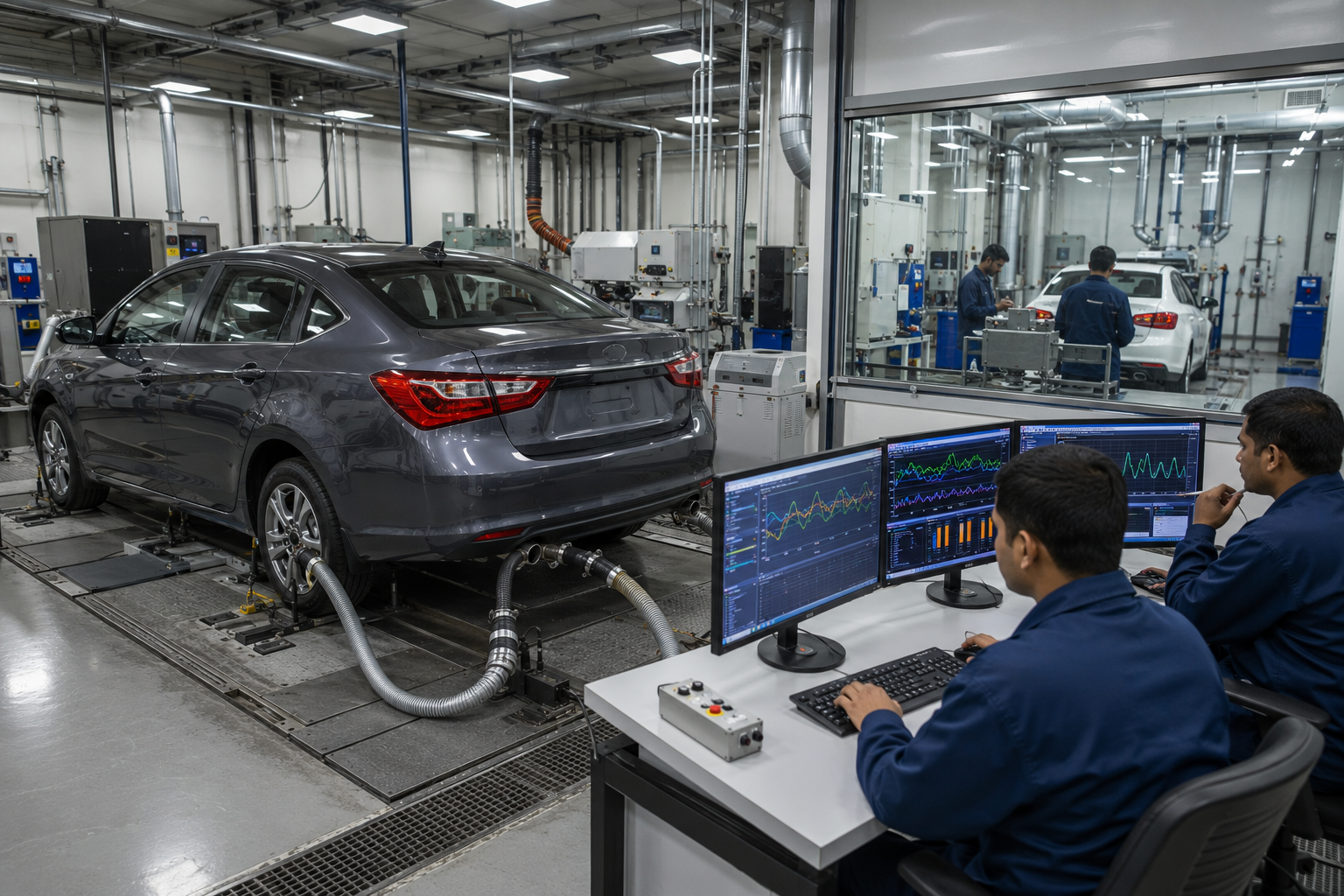
The proposed CAFE III framework will apply to M1 category passenger vehicles, covering cars manufactured or imported for sale in India between 2027-28 and 2031-32. The objective is to improve fuel economy, lower carbon emissions and support the country’s long-term energy conservation goals.
According to the government, the new standards are designed to encourage automakers to develop more fuel-efficient vehicles while reducing dependence on fossil fuels. The regulations are also expected to contribute to India’s climate commitments by promoting cleaner mobility technologies across the passenger vehicle segment.
The Ministry has invited comments from automobile manufacturers, industry associations, experts and the general public before finalising the norms. Stakeholders can submit their suggestions until August 6, 2026, after which the government will review the feedback and issue the final notification.
The draft CAFE III norms form an important part of India’s roadmap for improving vehicle efficiency over the next five years. Once implemented, the regulations are expected to drive technological innovation, strengthen energy security and support the transition towards cleaner and more sustainable transportation.