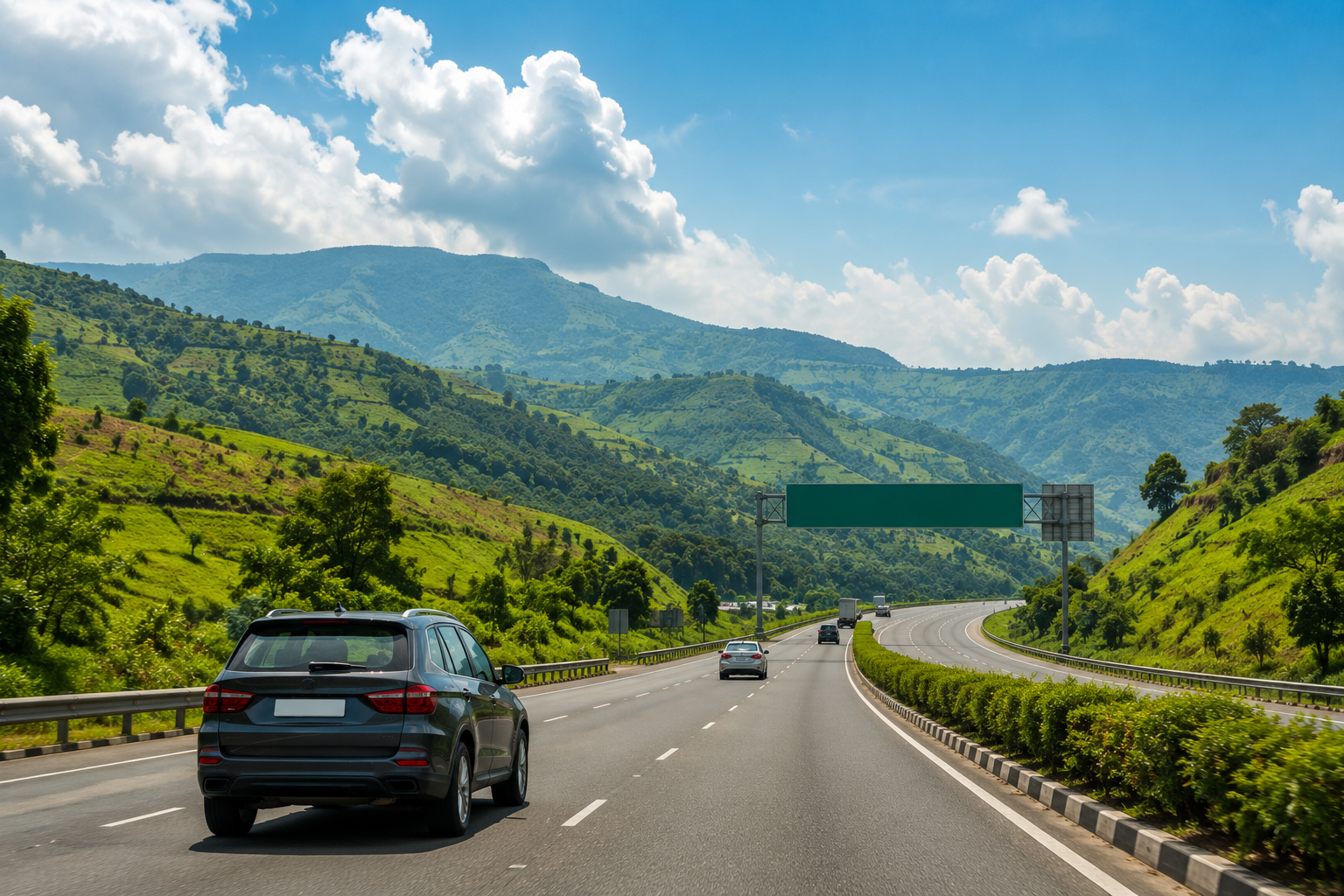
Uber Intercity Travel Index highlights rising demand for regional road travel as improved highways, safer mobility options and long weekend tourism reshape travel preferences across India.
Key Highlights
- Uber Intercity reports strong growth in road travel across India.
- Mumbai–Pune remains the country’s most popular intercity route.
- Regional Tier-2 city corridors are witnessing the fastest growth.
- Long weekends significantly boosted intercity travel demand.
- Heritage, pilgrimage and leisure destinations saw higher bookings.
- New Call2Ride service enables booking without the Uber app.
- Safety features and round-trip bookings are driving user preference.
- Improved highways continue to reshape India’s travel landscape.
New Delhi: India’s improving highway infrastructure is transforming the way people travel, with road trips becoming increasingly popular for both leisure and weekend getaways. According to Uber’s Intercity Travel Index (April–June 2026), travellers are now exploring more regional destinations as faster roads and improved connectivity make intercity journeys more convenient.
Among the country’s busiest travel corridors, Mumbai–Pune, Delhi–Agra, Bengaluru–Mysuru, Lucknow–Kanpur, and Ahmedabad–Vadodara remained the most travelled routes during the quarter. At the same time, routes such as Delhi–Dehradun, Chennai–Puducherry, Bengaluru–Mysuru, Delhi–Chandigarh, and Ahmedabad–Vadodara recorded the fastest year-on-year growth, highlighting increasing demand for regional road travel.
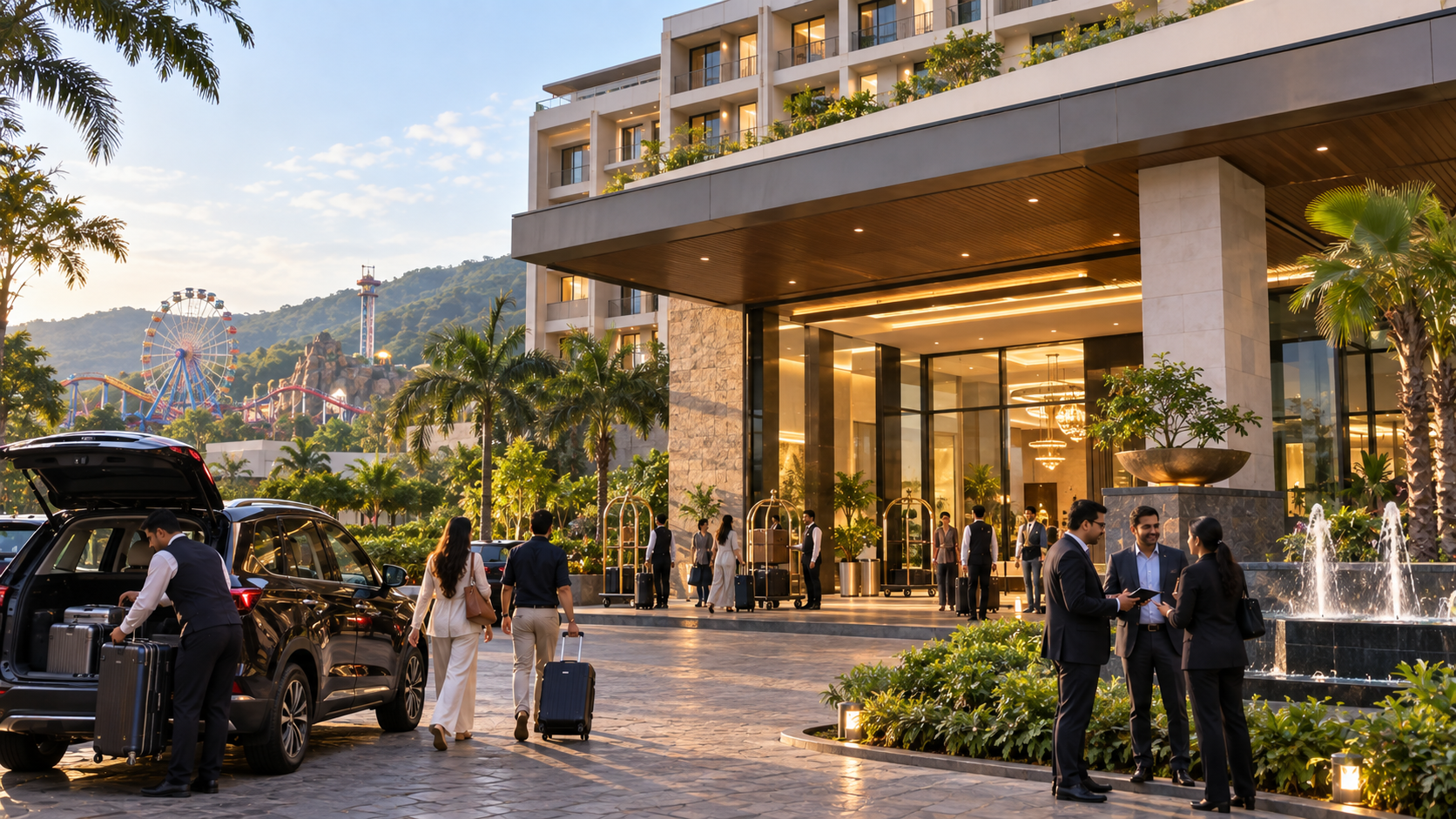
The report also showed rising interest in heritage, pilgrimage and leisure destinations during the summer season. Cities including Agra, Mysuru, Prayagraj, Ajmer and Udaipur attracted large numbers of travellers, while destinations such as Dehradun, Puducherry, Kochi, Nashik and Aurangabad emerged as popular choices for weekend escapes.
Long weekends continued to play an important role in travel demand. Uber recorded a significant surge in bookings around the May Day and Bakrid holiday weekends, with some users completing nearly 30 intercity trips and others travelling close to 1,500 kilometres over the three-month period.
According to Uber India & South Asia, the combination of expanding highway infrastructure and safer intercity mobility services is encouraging more Indians to choose road travel instead of conventional transport options. The trend is no longer limited to metro cities, with Tier-2 city connections now contributing significantly to overall growth.
To improve accessibility, Uber has introduced Call2Ride (C2R), allowing customers to book intercity rides simply by calling a dedicated phone number without using the mobile application. The company also reported increasing demand for round-trip bookings, which provide travellers with greater convenience by eliminating the need to arrange return transportation separately.
Uber added that technology-driven safety features, including 24×7 Safety Line, RideCheck, Audio Recording, Share Your Trip and expanded intercity route availability, have further strengthened customer confidence in long-distance road travel.
With better highways, growing tourism demand and digital mobility solutions, India’s intercity travel ecosystem continues to evolve rapidly, making road trips an increasingly preferred choice for leisure and regional connectivity.