Middle East conflict disrupts aluminium can supply, forcing Coca-Cola to change packaging and increase Diet Coke prices in India.
Highlights
- Diet Coke has become more expensive in India.
- Aluminium can supply has been hit by the Middle East conflict.
- Coca-Cola is sourcing different, larger cans for the product.
- Bigger cans have increased packaging costs.
- The higher packaging cost has been passed on to consumers.
- Global geopolitical tensions are now impacting everyday consumer products.
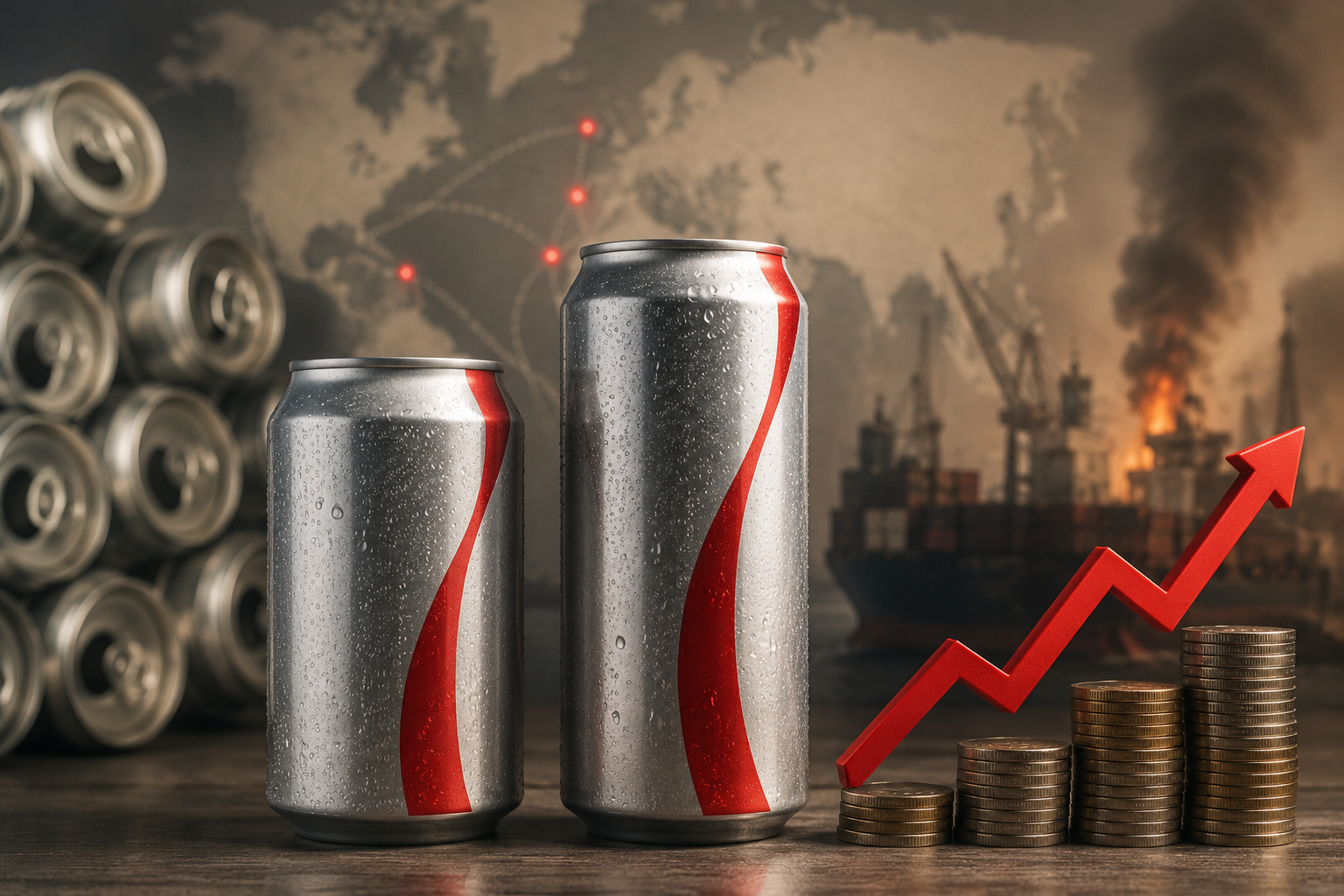
If you’ve noticed that a can of Diet Coke costs more than before, you’re not alone. Coca-Cola has increased the price of Diet Coke in India due to disruptions in the global supply chain caused by the ongoing conflict in the Middle East.
The conflict has affected the availability of aluminium cans, an essential packaging material for soft drinks. With regular can supplies becoming difficult, Coca-Cola has had to source alternative aluminium cans, which are larger and more expensive than the ones it previously used.
This change in packaging has pushed up the overall production cost of Diet Coke. Instead of absorbing the additional expense, the company has revised retail prices, making the beverage costlier for consumers.
The development highlights how geopolitical tensions can directly affect everyday products sold in India. Although the drink itself has not changed, the cost of packaging and logistics has increased because of disruptions in global supply chains.
Industry experts say aluminium prices and packaging availability have become more volatile as shipping routes and supplies from the region remain under pressure. Beverage companies that rely on imported packaging materials are particularly vulnerable to such disruptions.
For consumers, the price increase means paying more for the same soft drink. While the change may appear small on a single purchase, it reflects the broader impact that international conflicts can have on retail prices, inflation and supply chains.
If supply conditions improve and aluminium availability normalises, packaging costs could stabilise. Until then, products dependent on imported packaging materials may continue to face pricing pressure.