Signs long-term AI chip supply deals
Key Highlights
- Samsung expects chip shortages to continue until 2028.
- Supply constraints likely to worsen further during 2027.
- Long-term supply deals signed with five major data centre companies.
- Agreements cover 60–70% of Samsung’s future chip production capacity.
- Semiconductor division posted over 250-fold jump in operating profit.
- HBM4 chip revenue expected to more than triple in the third quarter.
- Foundry business expected to recover with higher utilization and pricing.
- Texas fabrication plant remains on track to begin operations this year.
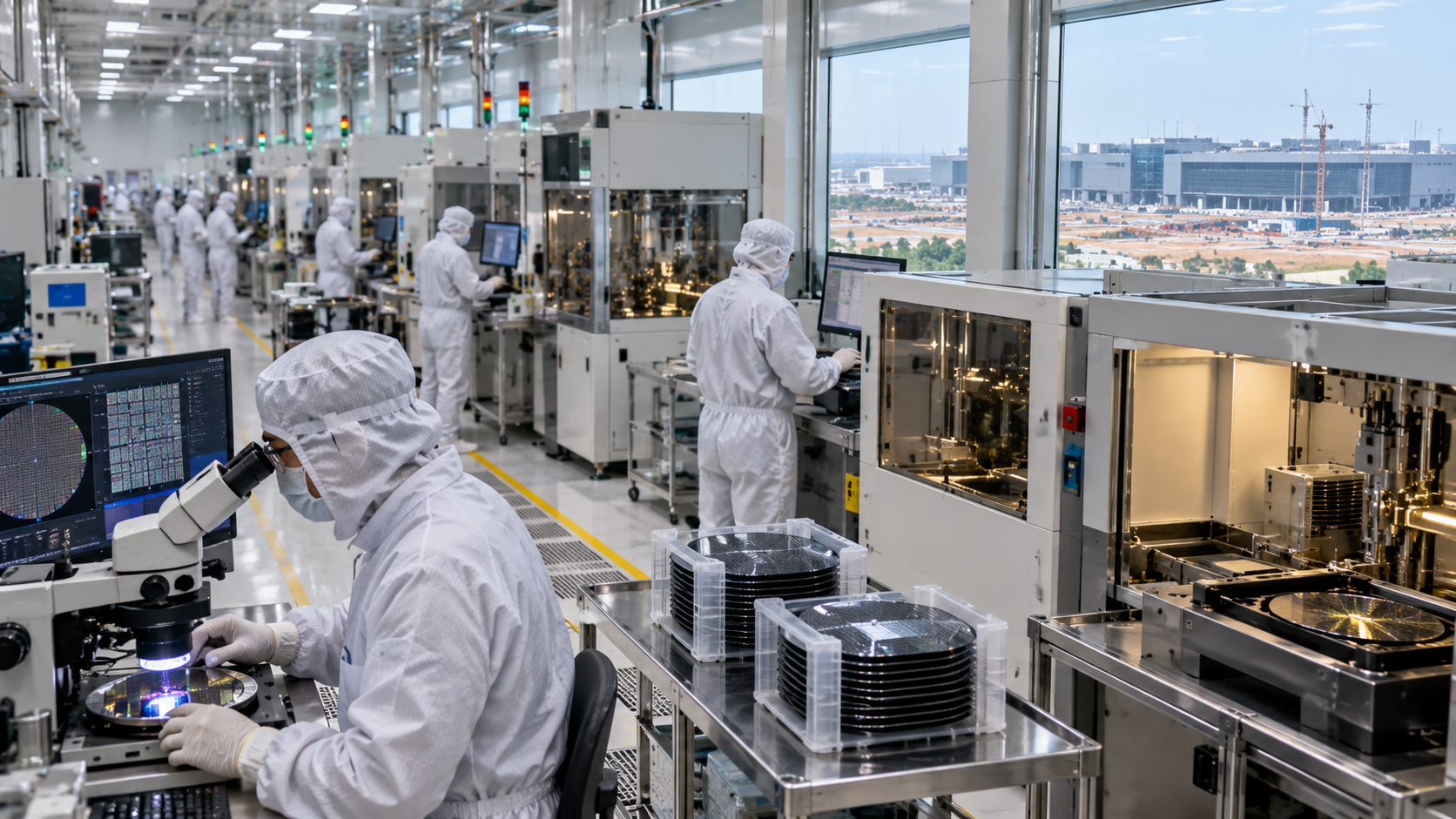
Samsung Electronics has projected that the global semiconductor shortage will persist until 2028, highlighting the sustained surge in demand for artificial intelligence (AI) infrastructure as the primary driver behind tightening chip supplies worldwide.
The South Korean technology giant made the announcement while reporting exceptionally strong second-quarter earnings, led by its semiconductor division, which recorded an operating profit of 89.2 trillion won. The performance reflects booming demand for advanced memory chips used in AI servers and data centres.
According to Jaejune Kim, Executive Vice President of Samsung’s memory business, supply constraints are expected to become even more severe in 2027 before continuing into 2028. To secure future production, Samsung has already signed long-term supply agreements with five of the world’s leading data centre operators and is close to finalising similar contracts with five additional global customers.
The agreements are designed to cover approximately 60% to 70% of Samsung’s long-term production capacity and include upfront payments as well as minimum pricing clauses. These arrangements are intended to reduce investment risks while ensuring stable chip supplies for customers amid growing AI demand.
Samsung’s optimistic outlook contrasts with recent investor concerns that spending on AI infrastructure could slow. Instead, the company believes demand from hyperscale cloud providers and AI computing platforms will continue to drive strong growth in the semiconductor market over the coming years.
The company also expects revenue from its next-generation High Bandwidth Memory (HBM4) chips to more than triple during the third quarter. Samsung supplies HBM products to leading AI chip companies, including Nvidia and Advanced Micro Devices (AMD), and aims to strengthen its position in the rapidly expanding AI memory market.
Meanwhile, Samsung said its foundry business, which competes with Taiwan Semiconductor Manufacturing Company (TSMC) and Intel, is expected to recover in the near future as factory utilisation rates improve and semiconductor prices remain elevated.
The company reaffirmed that its semiconductor fabrication facility in Taylor, Texas, remains on schedule to begin operations later this year. It also plans to construct a second fabrication plant, with commercial production expected around 2030.
Despite record semiconductor earnings, Samsung’s mobile division reported a quarterly operating loss due to higher memory chip prices increasing component costs. Nevertheless, the company said its diversified business model and strong cash generation eliminate the need for raising fresh capital.
Industry analysts believe Samsung’s latest guidance reinforces expectations that AI-driven semiconductor demand will remain robust for several years, supporting continued investments across the global chip manufacturing ecosystem.