PM E-DRIVE aims to strengthen India’s EV ecosystem with nationwide charging stations.
Government also continues support through FAME-II, PLI schemes and electric bus initiatives.
Highlights
- ₹2,000 crore allocated under the PM E-DRIVE Scheme for EV public charging stations across India.
- PM E-DRIVE has an overall outlay of ₹10,900 crore to support nearly 28.3 lakh electric vehicles.
- Assam has sold 42,035 EVs under the scheme, with 40,009 vehicles receiving incentives worth ₹99.10 crore.
- Assam is yet to submit a proposal for EV charging stations under PM E-DRIVE.
- Government is also promoting EV adoption through FAME-II, PLI-Auto, ACC Battery PLI and PM e-Bus Sewa schemes.
- GST on EVs and charging equipment has been reduced to 5%, while battery-operated vehicles enjoy additional policy benefits.
Story
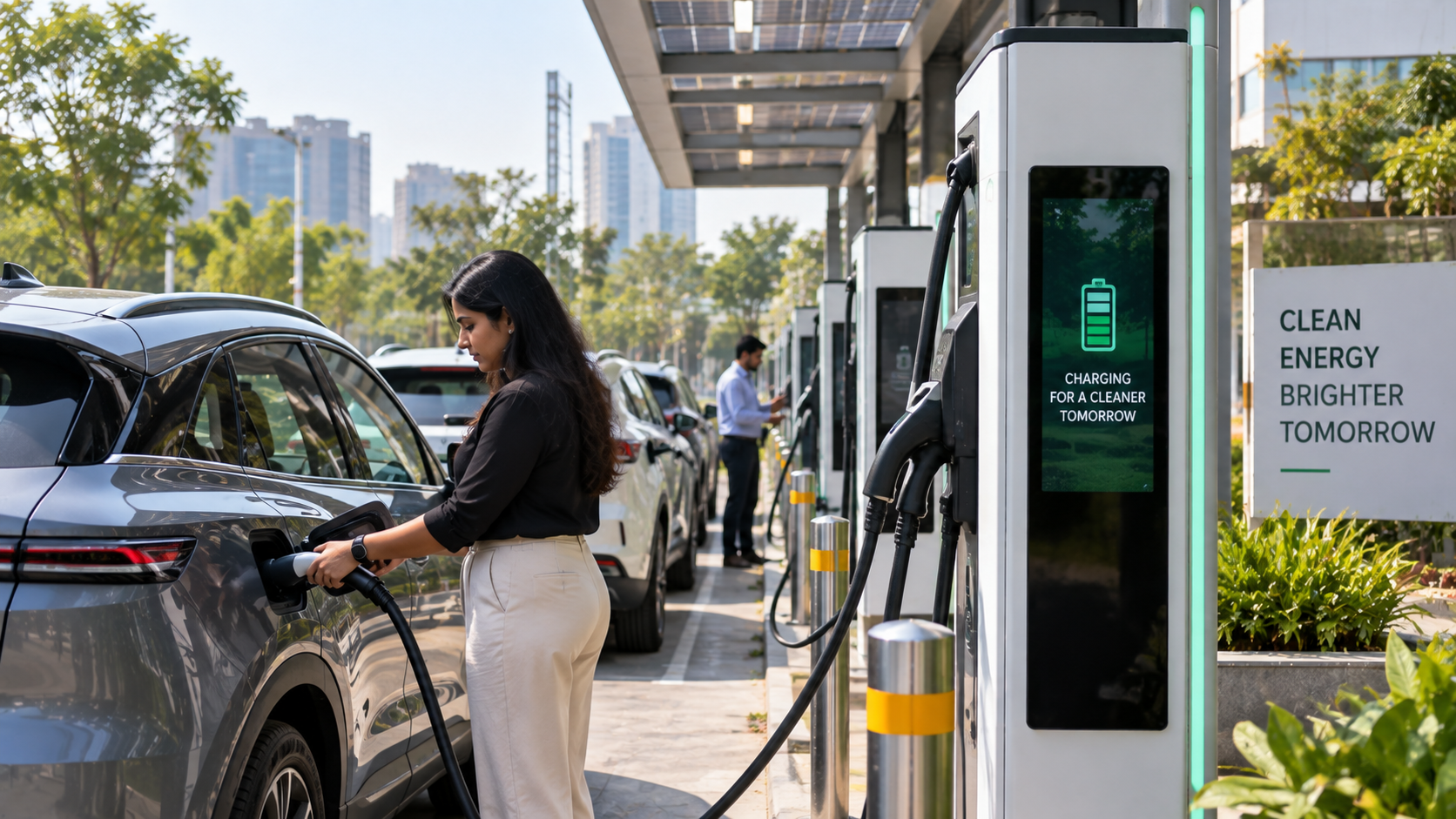
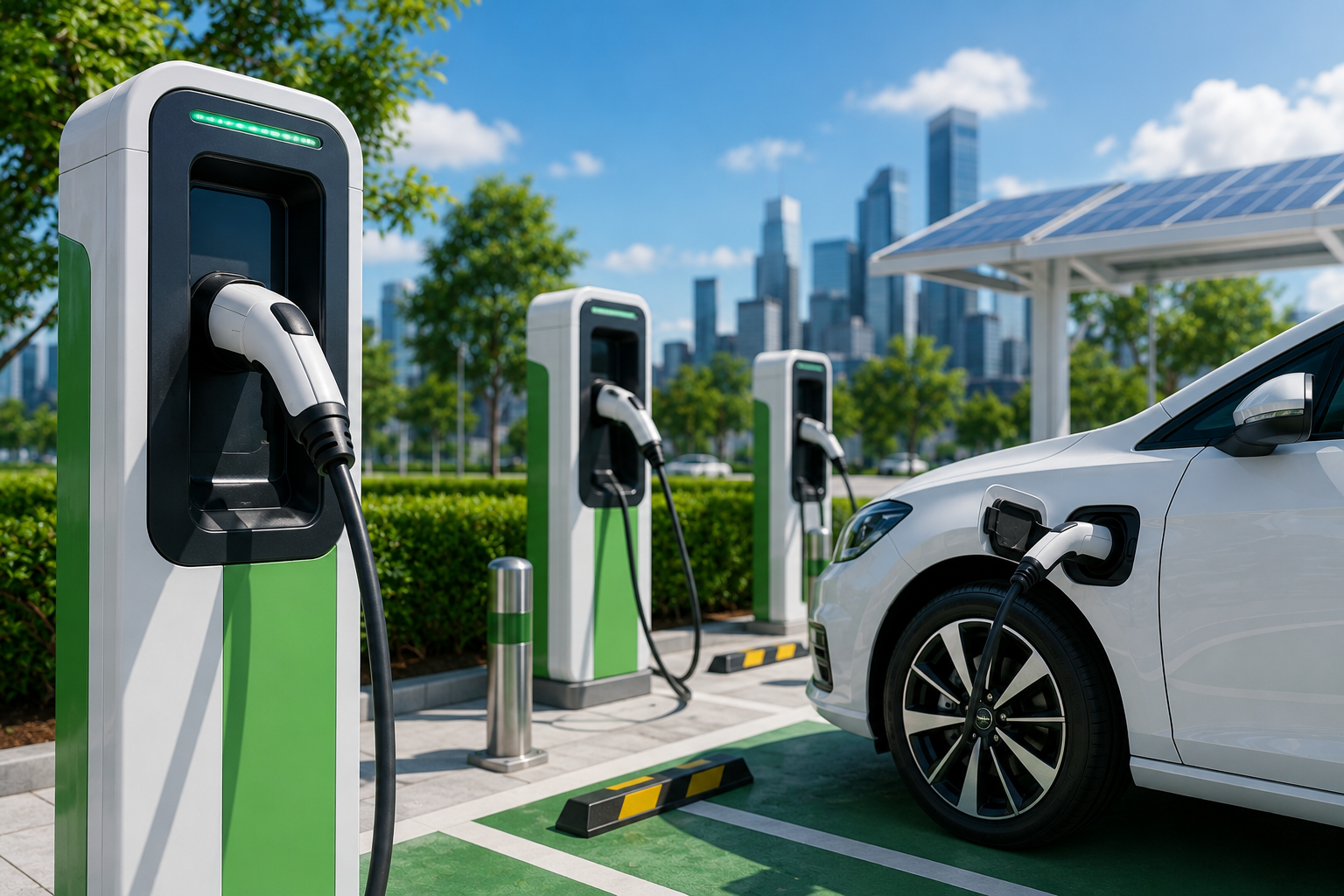
The Ministry of Heavy Industries has announced that ₹2,000 crore has been earmarked under the PM Electric Drive Revolution in Innovative Vehicle Enhancement (PM E-DRIVE) Scheme for the deployment of Electric Vehicle Public Charging Stations (EVPCS) across India. The initiative aims to strengthen charging infrastructure and accelerate the country’s transition towards electric mobility.
The PM E-DRIVE Scheme is being implemented on a pan-India basis, and no state-wise allocation has been made. According to the ministry, Assam has not yet submitted any proposal for setting up EV public charging stations under the scheme.
As of July 22, 2026, a total of 42,035 electric vehicles have been sold in Assam under PM E-DRIVE, including 8,003 vehicles in Cachar district. Out of these, 40,009 vehicles have received government incentives, with ₹99.10 crore reimbursed to automobile manufacturers.
The PM E-DRIVE Scheme, launched with a total financial outlay of ₹10,900 crore, supports incentives for around 28.30 lakh electric vehicles, including electric two-wheelers, three-wheelers, trucks, buses and ambulances. Apart from charging stations, the scheme also funds the modernisation of vehicle testing agencies.
To improve electric public transport, the government has allocated ₹4,391 crore for the deployment of 14,028 electric buses under PM E-DRIVE. Of these, 13,800 buses have been allocated to seven major cities—Delhi, Bengaluru, Hyderabad, Mumbai, Ahmedabad, Pune and Surat—while 200 electric buses have been approved for the Union Territory of Jammu & Kashmir.
The ministry highlighted that several complementary schemes are also driving India’s EV ecosystem. Under the FAME-II Scheme, around 16.72 lakh electric vehicles and 5,297 electric buses have been supported, while ₹912.50 crore was allocated for public charging infrastructure. The PLI-Auto Scheme and the PLI for Advanced Chemistry Cell (ACC) Batteries are boosting domestic manufacturing of electric vehicles and batteries.
In addition, the government has reduced GST on electric vehicles and charging equipment to 5%, introduced green registration plates for battery-operated vehicles, and advised states to waive road tax on EVs. These measures are aimed at making electric vehicles more affordable while expanding charging infrastructure and strengthening India’s clean mobility ecosystem.