Passenger vehicle and two-wheeler makers reported healthy growth in July.
Tax relief, lower interest rates and festive demand boosted automobile sales.
Highlights
- Passenger vehicle sales jumped 34.36% YoY to 4.69 lakh units in July.
- Two-wheeler sales also remained strong, supported by healthy rural and urban demand.
- Maruti Suzuki crossed 2 lakh domestic vehicle sales for the first time in a single month.
- Lower interest rates and tax relief encouraged customers to buy new vehicles.
- Industry expects festive season demand to keep sales momentum intact despite commodity cost concerns.
Story
India’s automobile industry maintained its strong growth momentum in July 2026, with both passenger vehicle (PV) and two-wheeler manufacturers reporting healthy sales as consumer demand remained resilient. Improved affordability, better financing options and positive consumer sentiment helped the sector deliver another impressive month.
Passenger vehicle wholesales rose 34.36% year-on-year to around 4.69 lakh units, driven by strong demand across hatchbacks, SUVs and utility vehicles. The growth was supported by lower borrowing costs, tax relief measures and improving economic conditions, encouraging buyers to upgrade or purchase new vehicles.
India’s largest carmaker, Maruti Suzuki, achieved a significant milestone by crossing 2 lakh domestic vehicle sales in a single month for the first time. Other manufacturers, including Tata Motors, Mahindra & Mahindra, Hyundai, Kia and Toyota, also reported healthy demand, reflecting broad-based strength across the passenger vehicle segment.
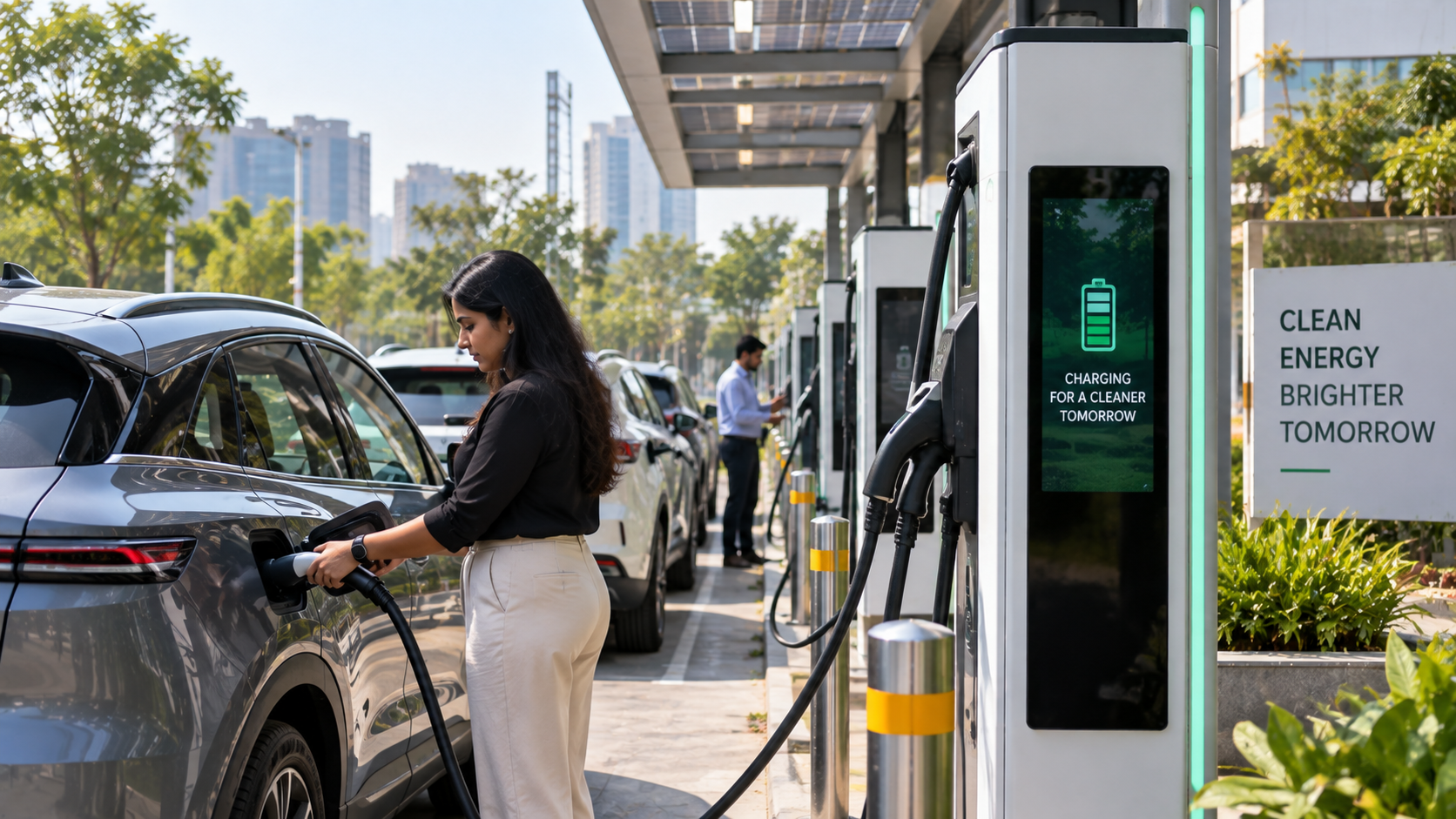
The two-wheeler market also remained on a strong footing as demand from both urban and rural areas continued to improve. Better monsoon conditions, higher rural incomes and easier access to financing supported motorcycle and scooter sales, while electric two-wheelers maintained robust growth as buyers increasingly opted for cleaner mobility solutions.
Industry experts believe the upcoming festive season could provide another boost to vehicle sales. However, automakers continue to monitor global commodity prices and geopolitical developments, which could increase input costs and affect profit margins. Despite these challenges, the overall outlook for the Indian automobile industry remains positive, with strong consumer demand expected to sustain growth in the coming months.