The Tata-backed online grocer is investing heavily in quick commerce to compete with Blinkit, Zepto and Swiggy Instamart.
Higher spending on dark stores and fulfilment infrastructure widened losses in FY26.
Highlights
- BigBasket’s FY26 loss widened 66% to ₹3,073 crore.
- Revenue rose 7.7% year-on-year to ₹8,223 crore.
- Investments in BBNow, dark stores and fulfilment centres increased.
- The company is rebuilding market share in the quick commerce segment.
- Blinkit, Zepto and Swiggy Instamart continue to dominate the market.
- Tata Digital is betting on long-term growth despite short-term profitability pressure.
BigBasket’s aggressive push into India’s fast-growing quick commerce market has come at a significant financial cost, highlighting the challenges Tata Group faces in catching up with market leaders. The Tata Digital-backed online grocery platform reported a 66% jump in net losses to ₹3,073 crore in FY26, even as its revenue increased 7.7% to ₹8,223 crore, according to Tata Sons’ latest annual report.
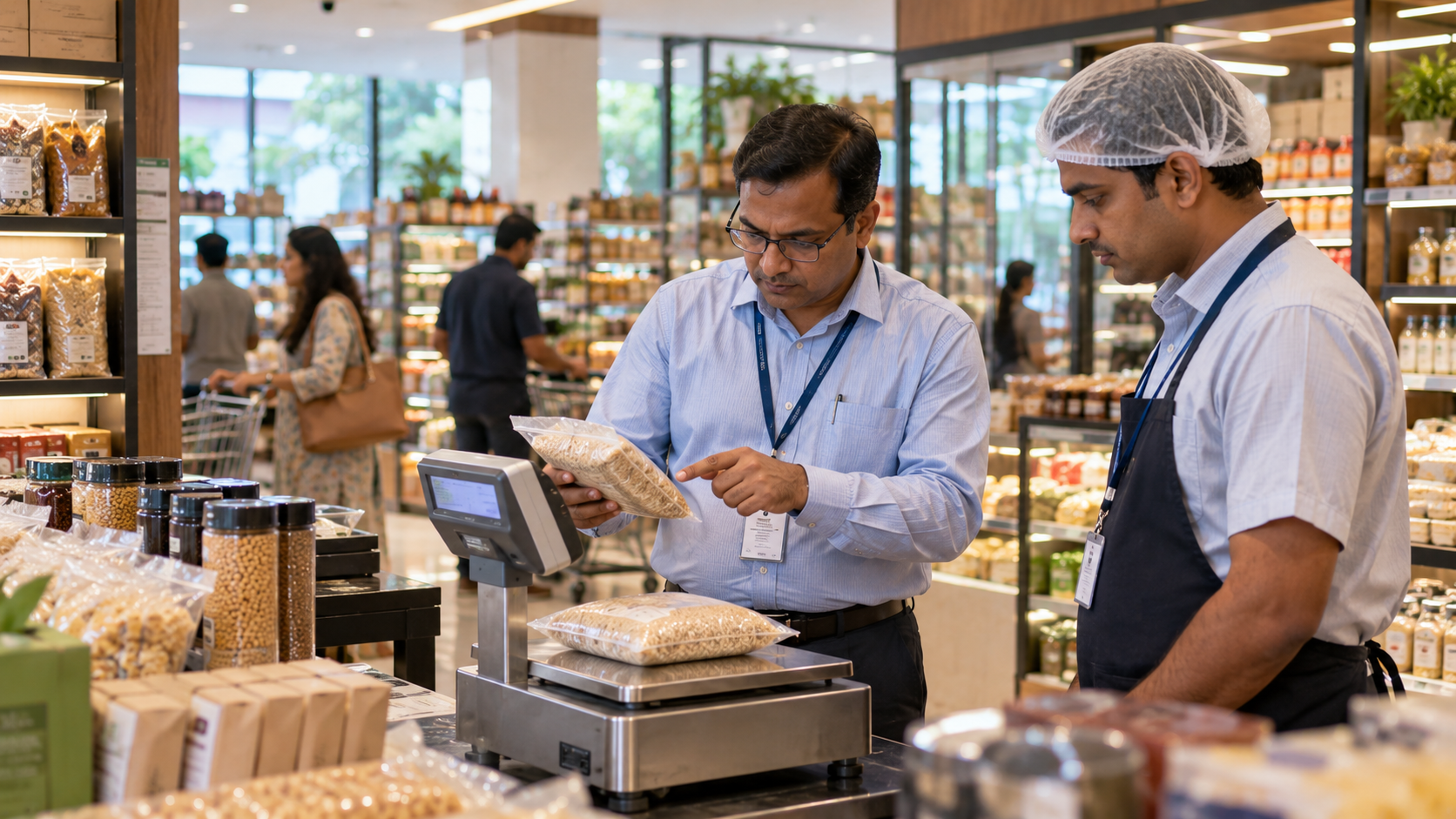
The widening losses reflect the heavy investments the company is making to strengthen its position in the highly competitive instant delivery business. BigBasket has been expanding its BBNow quick commerce service while investing in dark stores, fulfilment infrastructure and logistics to improve delivery speeds and customer experience.
India’s quick commerce market has become one of the country’s fastest-growing retail segments, led by players such as Blinkit, Zepto and Swiggy Instamart. These companies have rapidly expanded their networks and customer base, forcing rivals to increase spending to remain competitive.
Industry experts believe BigBasket’s delayed shift towards quick commerce has made its transition more expensive. While the company continues to grow its revenue, profitability has come under pressure due to higher operating costs and aggressive investments aimed at regaining market share.
The financials also show that despite consistent revenue growth over the past five years, the company’s losses have remained elevated as it focuses on expansion instead of short-term profits. Tata Digital’s strategy now hinges on improving unit economics while scaling its quick commerce operations.
With demand for instant grocery deliveries continuing to rise across urban India, BigBasket is expected to maintain its investment-led approach. The company believes strengthening its delivery network and expanding BBNow will help it compete more effectively in the long run, even if profitability takes longer to achieve.