UPI Linkages Gain Fresh Momentum
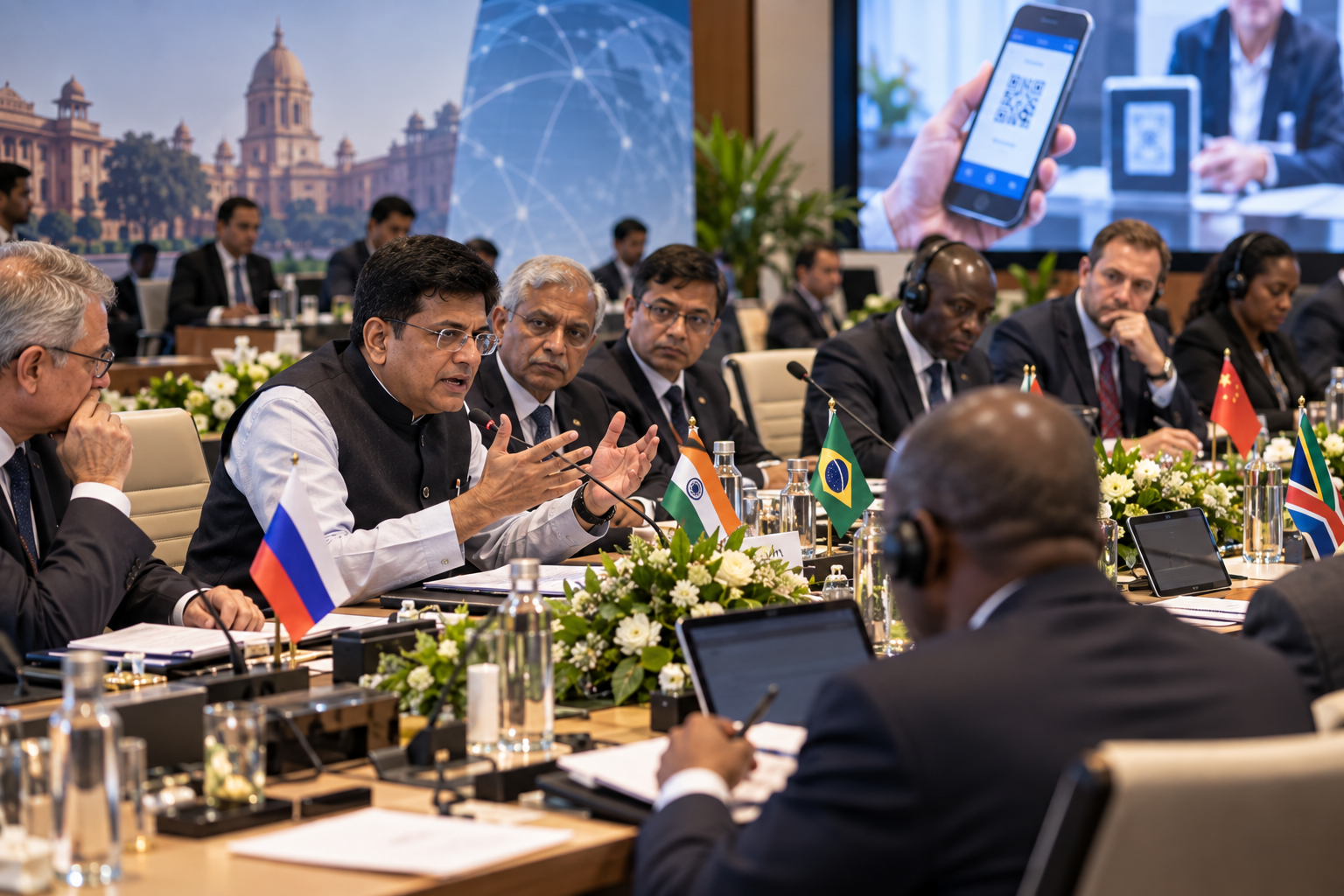
India has called for deeper financial and trade integration among BRICS countries, with Commerce and Industry Minister Piyush Goyal urging members and partner nations to expand local-currency trade and link their instant payment systems.
Speaking at the BRICS Business Forum ahead of the two-day BRICS Summit in New Delhi, Goyal said stronger payment connectivity could make cross-border trade more efficient while reducing dependence on traditional international payment channels. He also called for digital trade to become more global and for BRICS nations to cooperate on emerging technologies.
India has already taken steps in this direction through its Unified Payments Interface (UPI). The country’s instant payment system is currently linked with payment systems in 11 countries, and New Delhi wants to expand its international reach further.
Within the BRICS grouping, India has integrated UPI with the United Arab Emirates’ fast-payment system, Aani. India has also explored mechanisms for settling trade with Russia in local currencies.
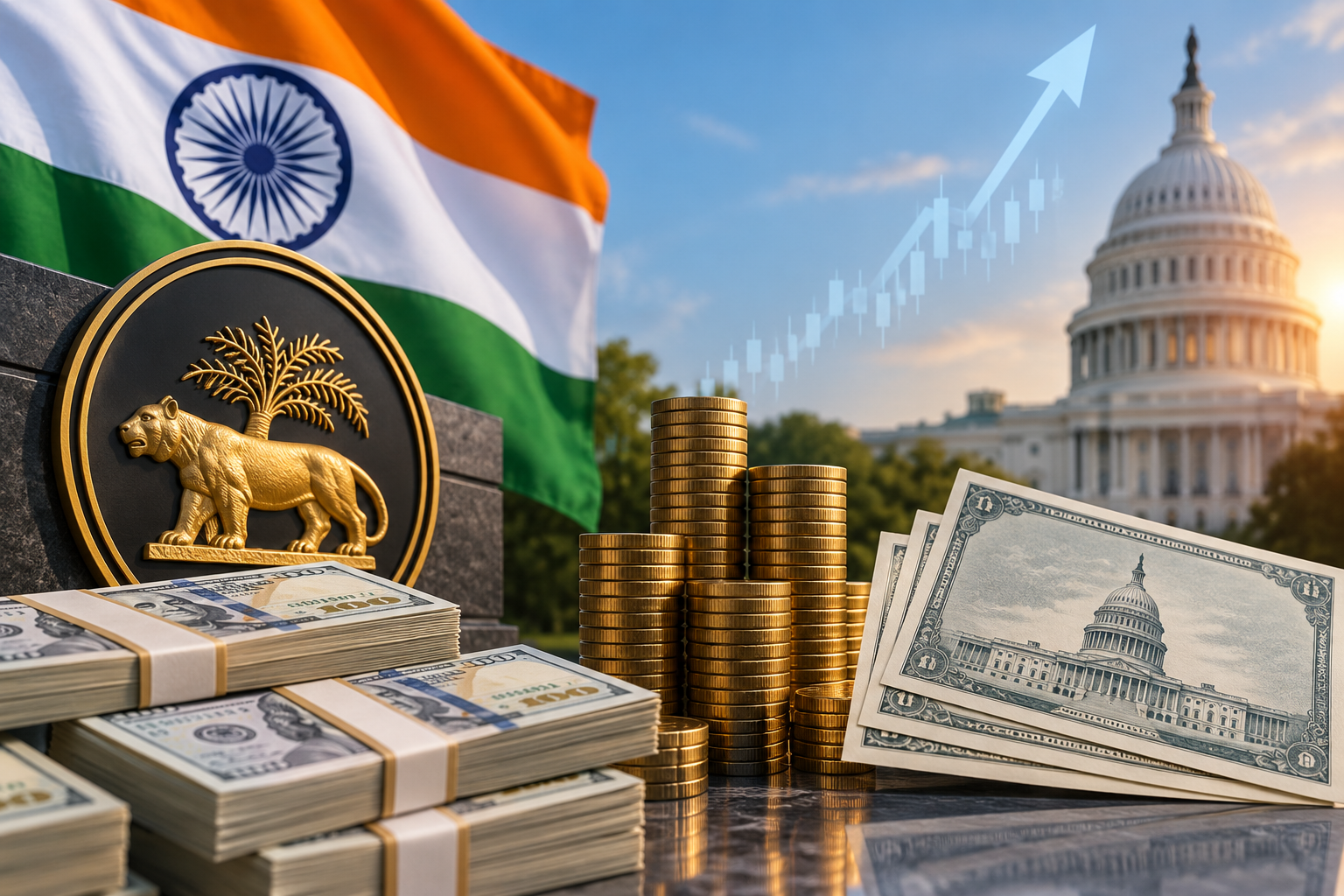
Goyal’s proposal comes as BRICS countries seek greater economic resilience amid fragmentation in global trade and financial markets. Local-currency settlement could provide an alternative for businesses conducting cross-border transactions, potentially reducing the need for multiple currency conversions and lowering some transaction costs.
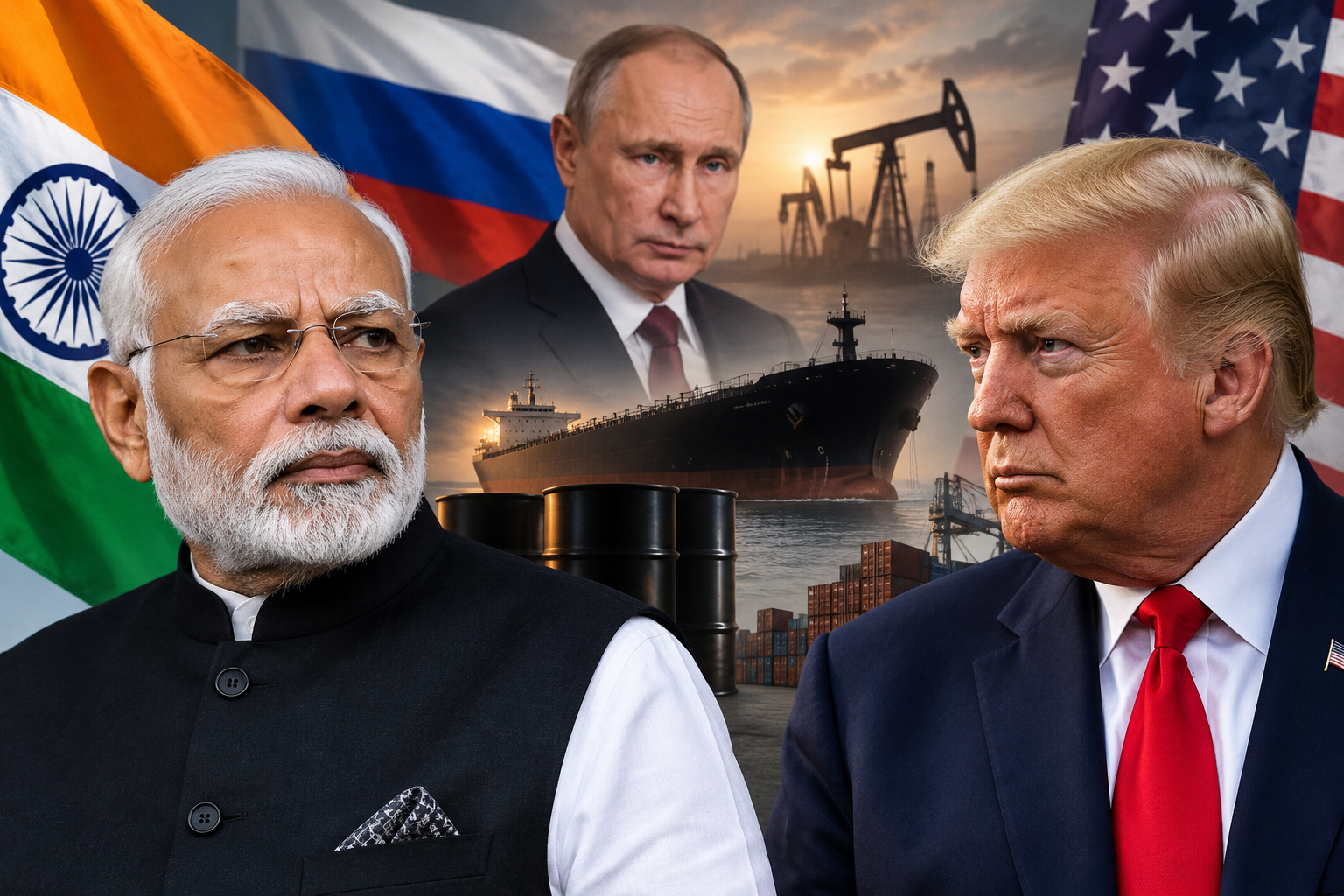
The issue has gained additional importance because Russia and Iran, both BRICS members, remain exposed to international sanctions. Russia faced restrictions on major banks’ access to the Society for Worldwide Interbank Financial Telecommunication, or SWIFT, following the Russia-Ukraine conflict. This encouraged Moscow to accelerate the use of alternative payment and settlement arrangements.
Russia’s Minister of Economic Development Maxim Reshetnikov said at the forum that the share of Russia’s export settlements conducted in dollars and euros has fallen dramatically. According to him, these currencies accounted for 85% of Russian export settlements three years ago, while their share has now fallen to 11%.
Reshetnikov said Russia’s alternative international financial arrangements had become an important source of leverage and now connect thousands of banks across several countries.
The development reflects a wider BRICS effort to create more diversified channels for trade and financial transactions. However, the emphasis remains on providing alternatives rather than necessarily replacing the dollar with a single common BRICS currency.
A proposal for a common BRICS currency had been discussed earlier, but the idea has lost momentum. The immediate focus is increasingly on practical mechanisms such as local-currency settlements and interoperable payment systems.
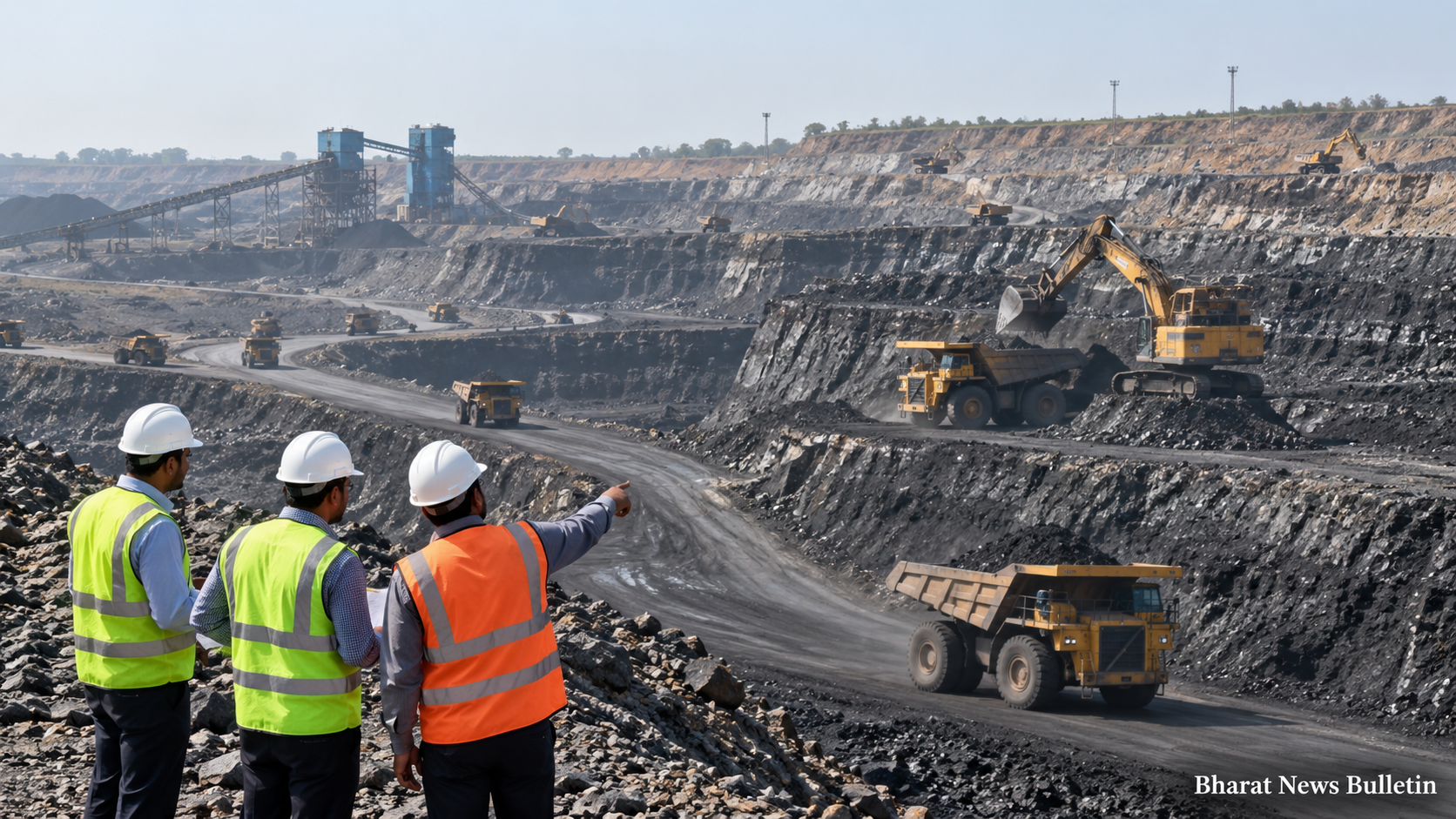
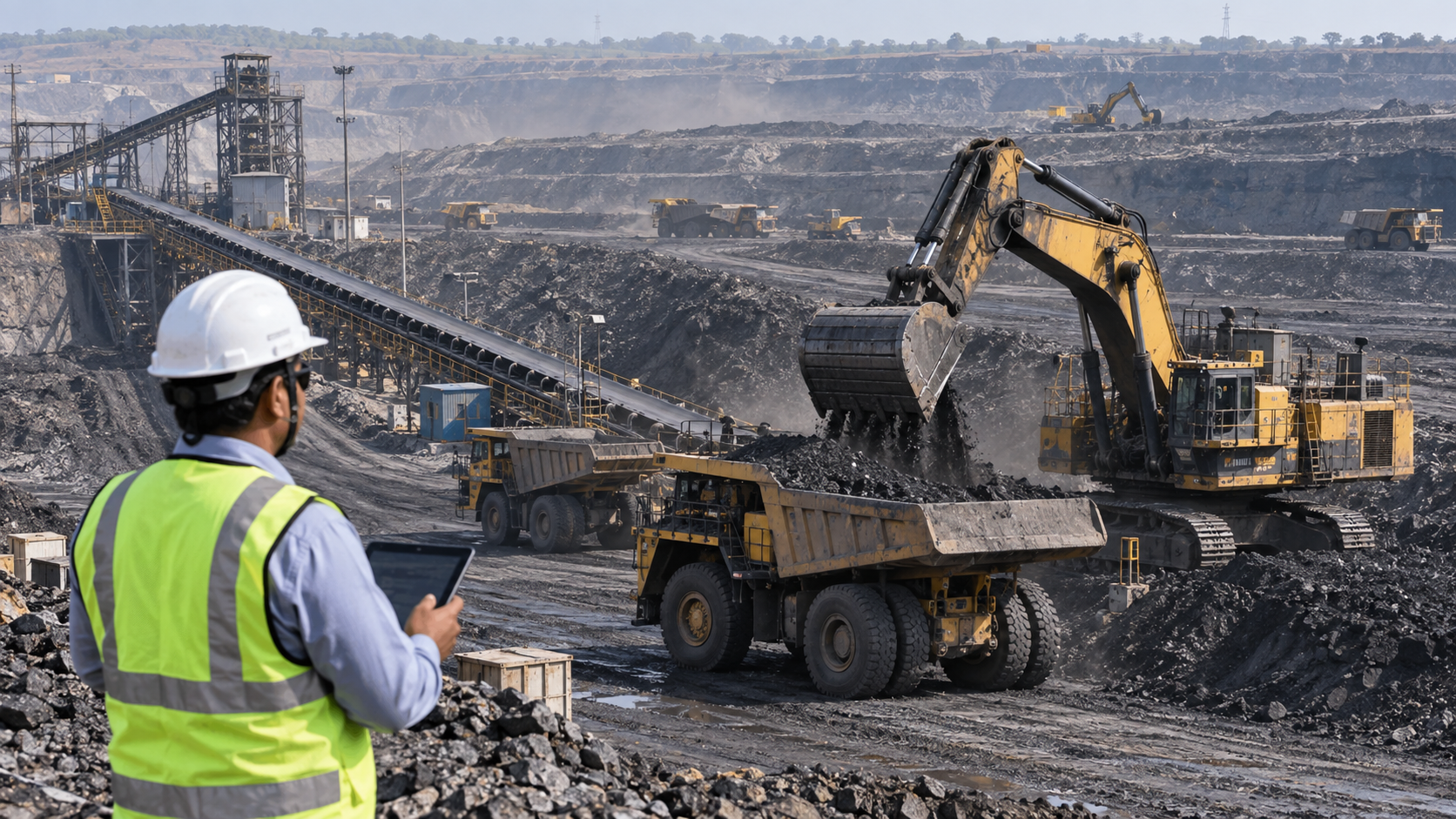
Goyal also argued that financial connectivity alone would not be enough to increase intra-BRICS trade. He called on member countries to open their markets to one another, particularly for raw materials and critical minerals.
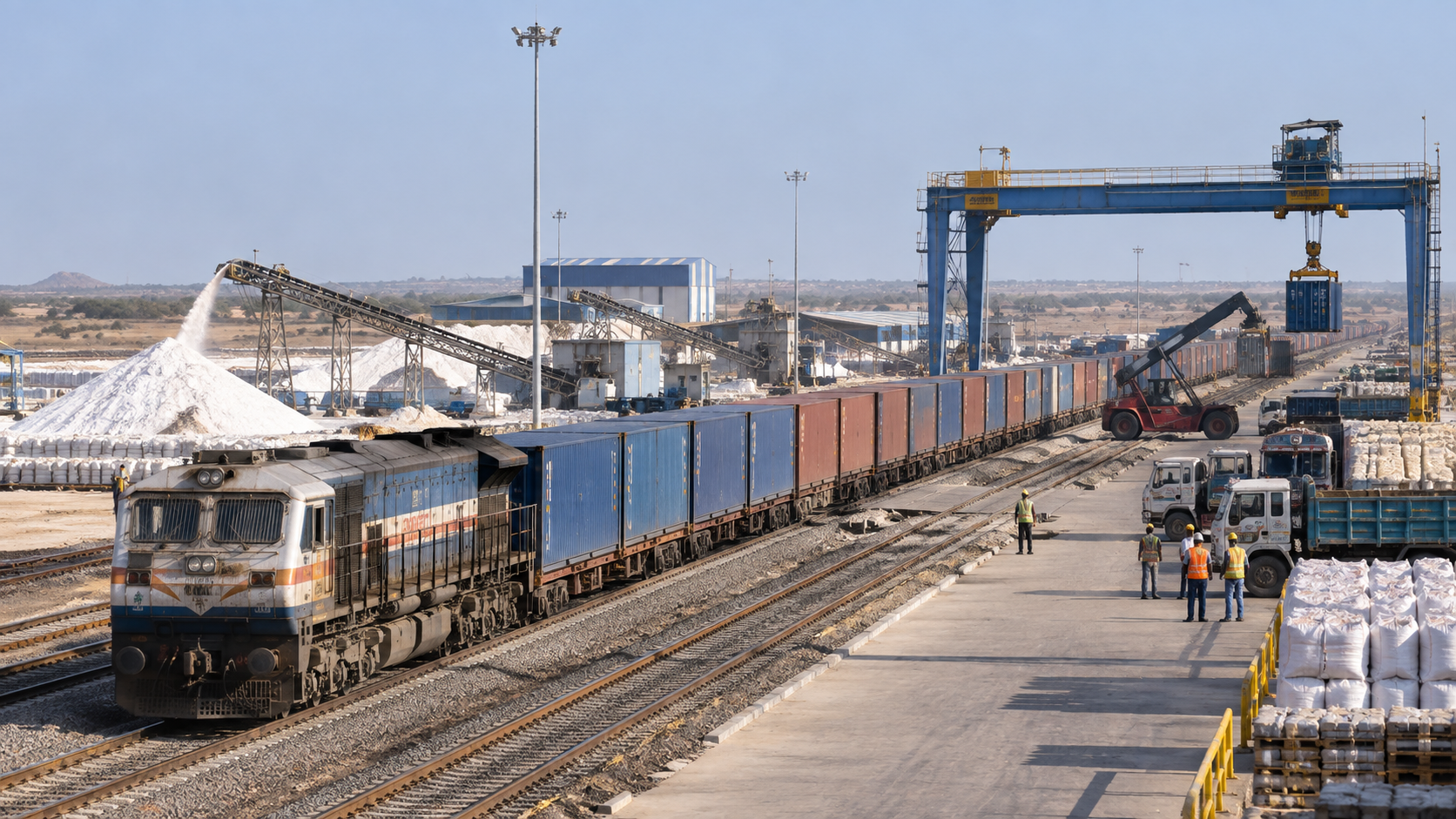
According to the minister, resilient supply chains require two-way trade flows. He also highlighted the importance of reducing non-tariff barriers, which can increase the cost and complexity of international trade even when conventional tariffs are low.
He called for simplified regulatory procedures and faster clearance of consignments to make market access easier for businesses operating across BRICS economies.
The push for stronger supply-chain cooperation comes at a time when companies and governments are seeking to diversify sources of critical commodities and reduce exposure to disruptions in major global trade routes.
Russia has separately proposed establishing a BRICS Green Exchange, a unified trading platform through which producers, traders and buyers could directly transact in strategic agricultural commodities. Reshetnikov argued that BRICS economies are among the world’s leading producers and consumers but continue to depend on price benchmarks reflecting other markets.
He also proposed a BRICS Special Economic Zone Association, which could provide another platform for cooperation among investment and industrial zones across member economies.
For India, deeper payment-system integration could complement its broader efforts to internationalise digital public infrastructure. UPI’s overseas expansion has already demonstrated that India’s domestic payment technology can be adapted for cross-border use.
The larger challenge will be ensuring interoperability among countries with different banking systems, currencies, regulations and financial infrastructures. A common framework would require coordination among central banks, payment operators, commercial banks and regulators.
Nevertheless, Goyal’s proposal places digital payments and local-currency settlement at the centre of India’s economic agenda for the expanded BRICS grouping. If payment systems become more closely connected and regulatory barriers are reduced, businesses could find it easier to conduct transactions across member economies.
With the BRICS Summit beginning in New Delhi, discussions around payment connectivity, local currencies, critical minerals and resilient supply chains are likely to remain important elements of the bloc’s evolving economic agenda.