Domestic LPG, CNG and PNG prices remain unchanged as commercial LPG rates are reduced
Highlights
- Commercial 19-kg LPG cylinder prices have been reduced from July 1 across major cities.
- Domestic 14.2-kg LPG cylinder prices remain unchanged for household consumers.
- CNG and PNG rates continue to remain stable after the last revision in May.
- Government says fuel supplies have normalized as the West Asia crisis eases.
- Lower commercial LPG prices are expected to provide relief to hotels, restaurants and small businesses.
New Delhi, July 4: Consumers using domestic LPG cylinders will continue to pay the same prices in July, while commercial establishments have received some relief with a reduction in the price of 19-kg LPG cylinders.
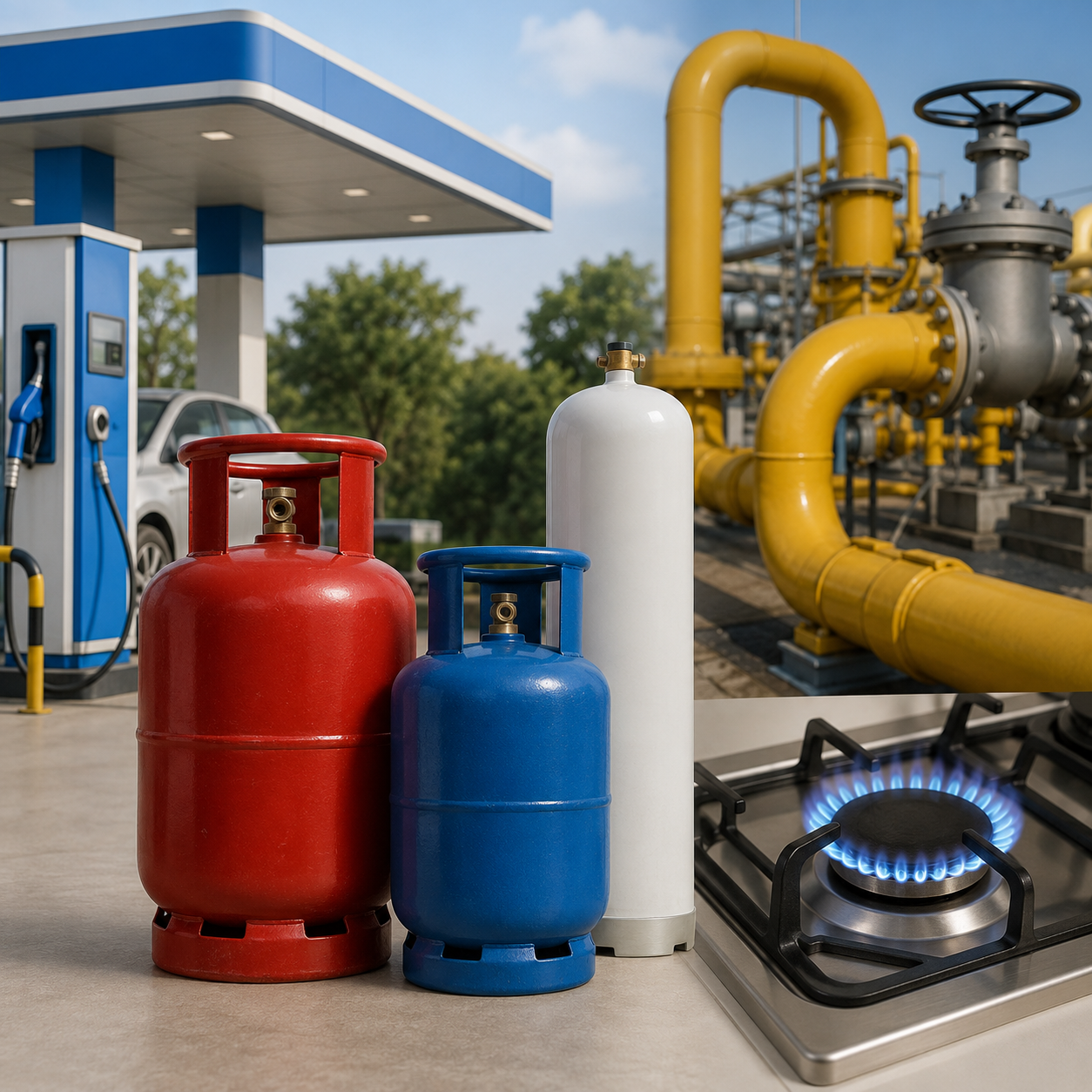
State-owned oil marketing companies cut commercial LPG cylinder prices from July 1, marking the first reduction of 2026. Depending on the city, prices have been lowered by ₹173 to ₹183.50 per cylinder, benefiting restaurants, hotels, caterers and other commercial users.
However, there has been no change in the price of 14.2-kg domestic LPG cylinders used by households. In Delhi, a domestic LPG cylinder continues to cost ₹942, while prices vary across cities depending on local taxes and transportation costs.
Compressed Natural Gas (CNG) and Piped Natural Gas (PNG) prices have also remained unchanged across major cities. In Delhi, CNG is priced at ₹83.09 per kg, while PNG is available at ₹49.59 per standard cubic metre (SCM). Similar stability has been seen in Mumbai, Bengaluru, Hyderabad, Chennai, Gurugram and other cities.
The government said the supply of LPG, CNG and PNG remains adequate across the country as the situation in West Asia continues to improve. Commercial LPG supplies, which were temporarily affected during the regional conflict, have now returned to normal levels following improved domestic production and the arrival of imported LPG cargoes.
The reduction in commercial LPG prices comes as supply restrictions imposed during the peak of the crisis have been withdrawn. The move is expected to lower operating costs for food businesses, hotels and other commercial establishments that depend heavily on LPG.
The easing of fuel supply pressures has also led to a reduction in aviation turbine fuel (ATF) prices, providing some relief to airlines after fuel costs had surged during the conflict.
Despite the recent improvement, official data shows India’s LPG consumption declined 8% year-on-year during the first half of 2026 due to disruptions in imports through the Strait of Hormuz. Supply constraints, rather than weak demand, were the primary reason for the decline. Industry experts believe the normalization of imports and improved availability could help stabilize fuel supplies and prices in the coming months.