State-owned oil companies said E20 petrol samples across refineries, depots and fuel stations met prescribed quality standards.
Only four isolated cases were detected during testing and were corrected promptly, the companies said.
Highlights
- IOC, BPCL and HPCL rejected claims of widespread E20 fuel contamination.
- Nationwide random testing found petrol quality within prescribed specifications.
- Oil companies tested samples across refineries, distilleries, depots and retail outlets.
- Only four isolated cases were reportedly found and corrected immediately.
- Government standards prescribe strict limits for chloride content in ethanol used for blending.
- Oil companies said there is “no cause for alarm” over the quality of E20 petrol.
State-owned oil marketing companies Indian Oil Corporation (IOC), Bharat Petroleum Corporation Limited (BPCL) and Hindustan Petroleum Corporation Limited (HPCL) have rejected allegations of excessive chloride and moisture contamination in E20 petrol.
The companies said an intensive testing exercise conducted across the country found no evidence supporting claims of widespread contamination in ethanol-blended petrol.
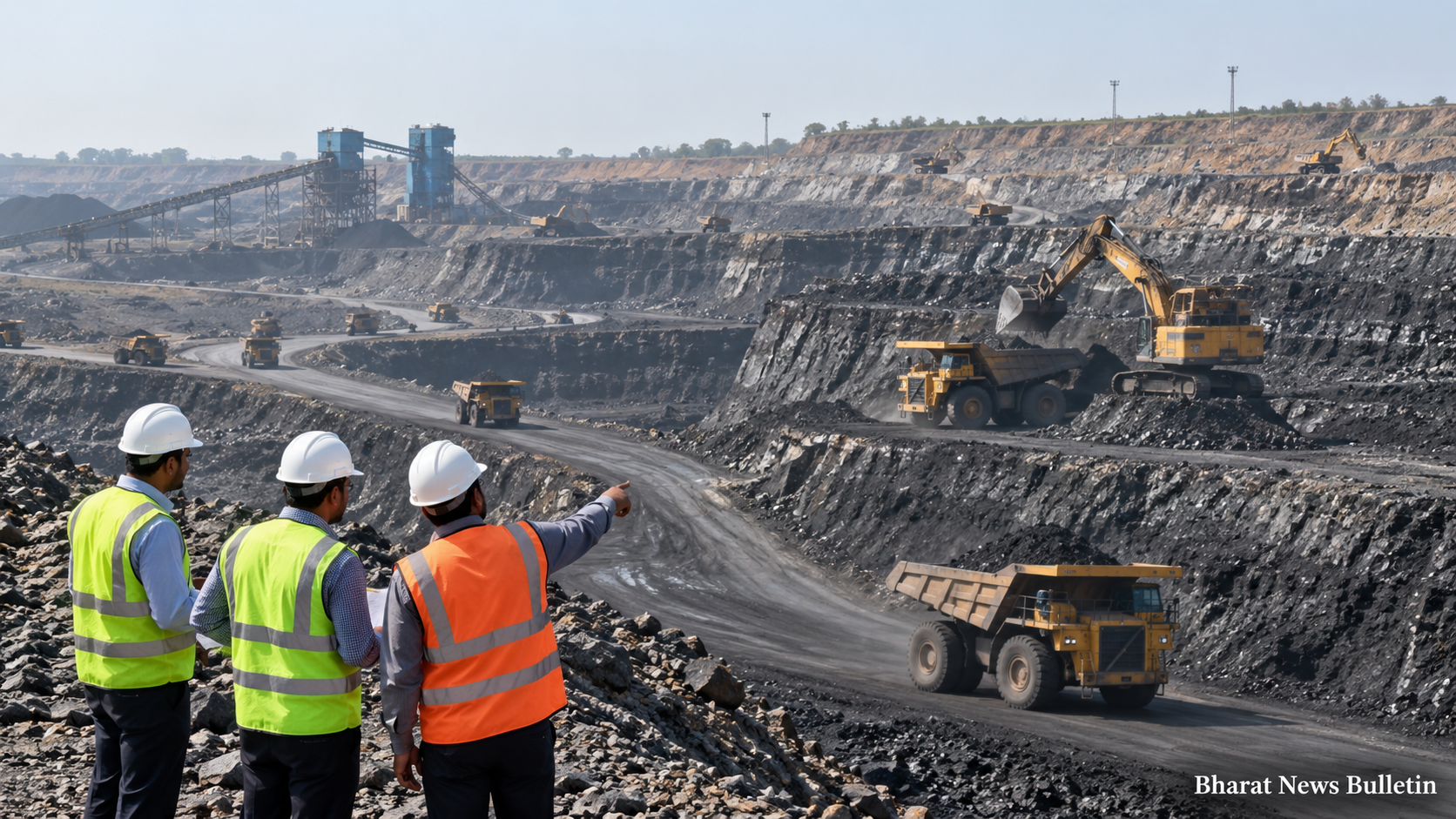
According to the oil marketing companies, scientifically designed random testing was carried out across different stages of the E20 fuel supply chain. Samples were collected from refineries, ethanol distilleries, storage depots, terminals and retail fuel outlets.
The companies said the samples consistently remained within the prescribed quality specifications and consumers therefore have “no cause for alarm” regarding the quality of E20 petrol.
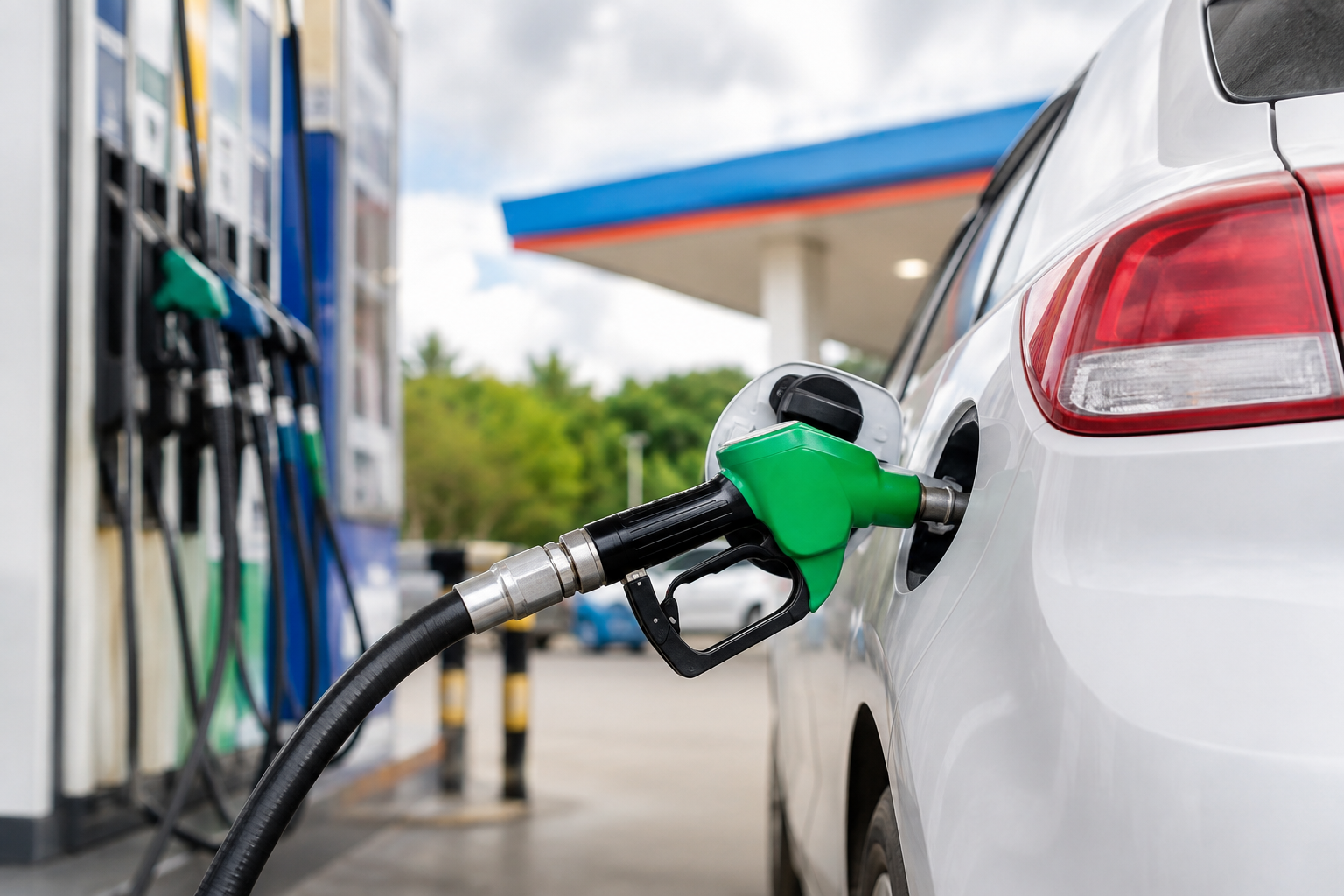
The clarification follows concerns raised in recent reports about possible contamination in Ethanol Blended Motor Spirit, commonly known as E20 petrol. E20 contains up to 20% ethanol blended with petrol and is being supplied across the country as part of India’s ethanol-blending programme.
IOC, BPCL and HPCL said the government has laid down strict specifications for chloride content in ethanol supplied for petrol blending. High chloride levels can raise concerns about corrosion and fuel-system performance, making compliance with prescribed standards important.
To maintain fuel quality, oil companies said a high-frequency monitoring mechanism has been put in place throughout the supply chain. This includes repeated quality checks at ethanol production facilities as well as petroleum storage and distribution points.
The companies also acknowledged that four isolated cases were detected during the testing exercise. However, they said corrective action was taken promptly and the instances did not indicate any systemic quality problem with E20 petrol.
The clarification comes at a time when debate around E20 fuel has increased, particularly over its compatibility with older vehicles, mileage and its potential impact on vehicle components.
Oil marketing companies, however, maintained that the contamination allegations should not create panic among consumers and said their nationwide monitoring exercise showed that E20 petrol being supplied through the retail network complies with established fuel-quality norms.