Key Highlights
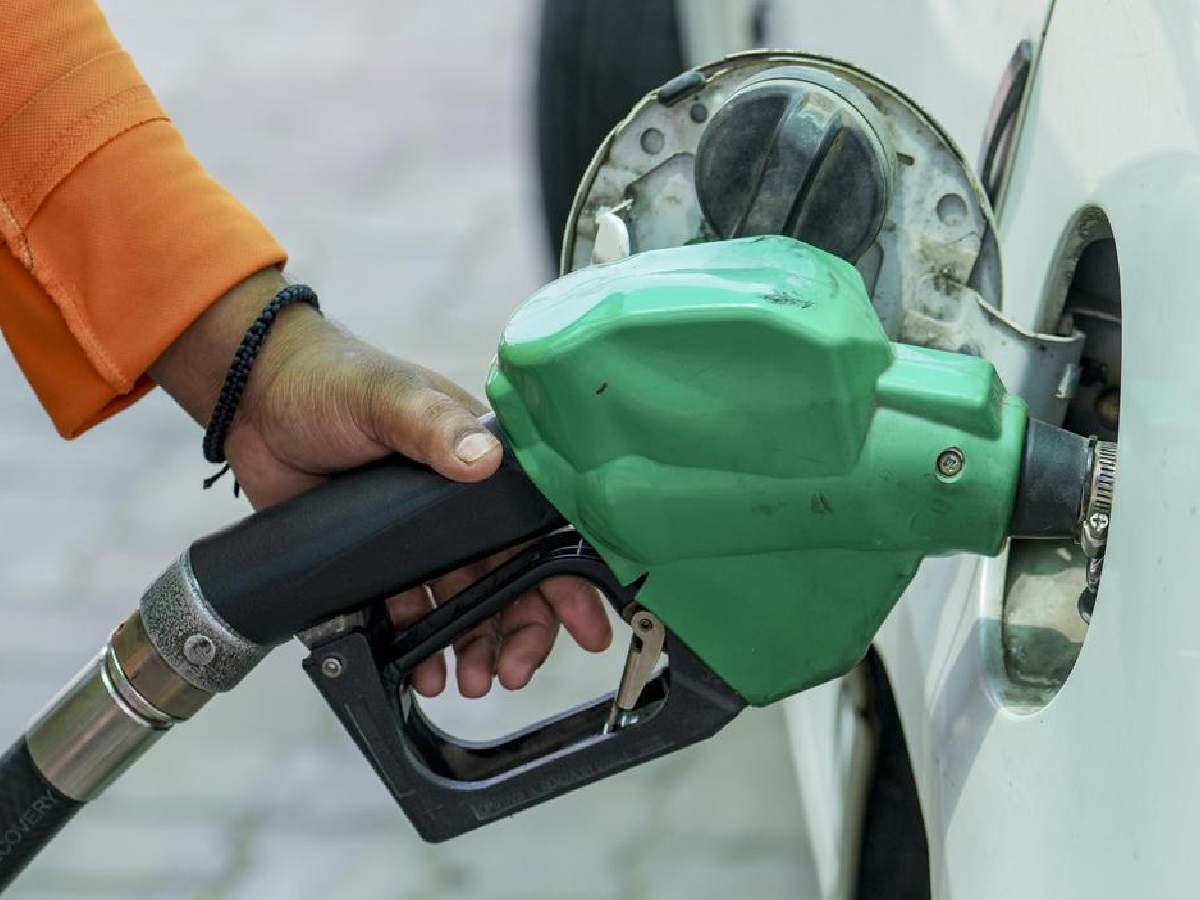
- Petrol and diesel prices have increased by around ₹7.5 per litre since May 15.
- Total fuel price hikes could reach ₹10 per litre if crude oil prices remain elevated.
- Crisil estimates a 36 basis point impact on CPI inflation from the current hike.
- Inflation impact could rise to 48 basis points if fuel prices increase by ₹10 per litre.
- Higher transport and logistics costs are expected to push up both food and core inflation.
- Road transport accounts for 71% of India’s freight movement, with fuel forming 42% of operating costs.
- Food categories likely to be affected include dairy, fruits, pulses, tea, coffee, spices, eggs, meat and fish.
- Sectors such as clothing, electronics, cement, ceramics, chemicals and metals may face higher costs.
- Companies could pass increased costs to consumers through price hikes or shrinkflation.
- GST cuts introduced in September 2025 may provide partial relief but are unlikely to fully offset energy-driven inflation.
News Summary
Rising petrol and diesel prices are expected to create fresh inflationary pressures across the Indian economy, according to a new report by Crisil.
Fuel prices have increased by approximately ₹7.5 per litre since mid-May, and further hikes remain possible if global crude oil prices continue to stay elevated. Crisil estimates that the current increase could add around 36 basis points to consumer inflation, with the impact rising to nearly 48 basis points if cumulative hikes touch ₹10 per litre.
The report highlights that the inflationary impact extends beyond fuel costs. Higher transportation and logistics expenses are expected to increase costs across supply chains, particularly because road transport accounts for the majority of freight movement in India and fuel represents a significant share of operating expenses.
Food inflation could see renewed pressure, especially in categories dependent on extensive transportation networks, including dairy products, fruits, vegetables, pulses, spices, tea, coffee, eggs, meat and fish.
Core inflation may also rise as manufacturers face higher input costs for crude derivatives, petroleum products and transportation. Industries such as apparel, consumer electronics, construction materials, chemicals and metals are particularly vulnerable to cost increases.
While GST rate reductions implemented in 2025 continue to support affordability across several consumer categories, analysts believe the benefits may only partially offset the inflationary impact of higher fuel prices.