BAT BMS and Epoch Li-ion apps to be taken down after reports of remote shutdown of moving e-rickshaws in Delhi
Highlights
- Centre orders removal of BAT BMS and Epoch Li-ion from Google Play Store and Apple App Store.
- Apps were allegedly misused to remotely disable moving e-rickshaws in Delhi.
- Both applications are Bluetooth-based battery management system (BMS) tools for lithium-ion batteries.
- MeitY says it will work with app stores to prevent potentially harmful apps from reaching the public.
- Government aims to strengthen safeguards against misuse of connected technologies.
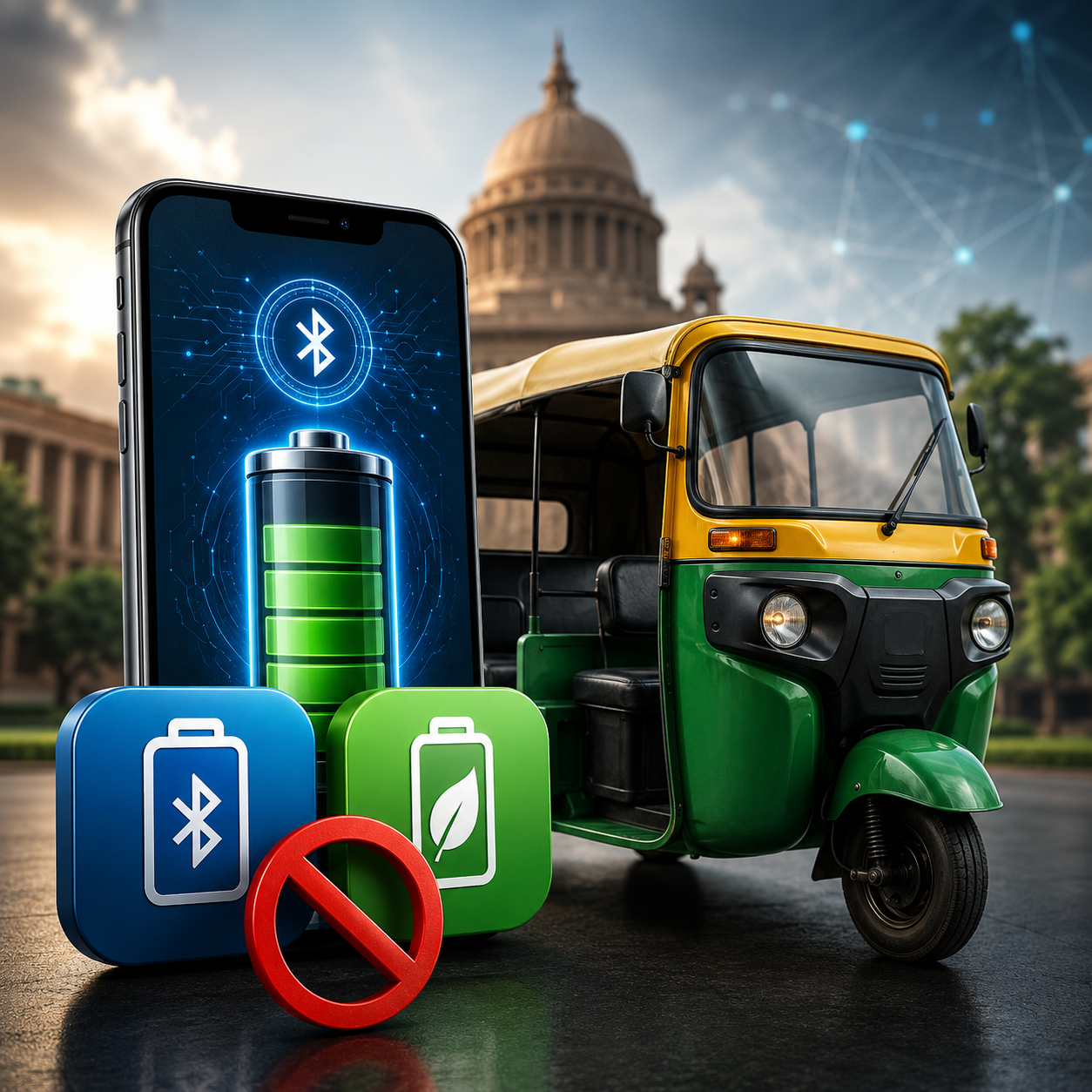
New Delhi: The Central Government has directed the removal of two mobile applications—BAT BMS and Epoch Li-ion—from both the Google Play Store and Apple App Store following reports that they were being misused to remotely disable moving e-rickshaws in Delhi.
The two applications are designed as Battery Management System (BMS) tools that connect to lithium-ion batteries via Bluetooth. Their intended purpose is to help users monitor battery health, configure settings, and manage battery performance. However, reports suggested that some individuals were exploiting the apps to remotely shut down e-rickshaws as a “prank,” raising serious concerns over road safety and public security.
The alleged misuse has highlighted the growing cybersecurity risks associated with connected vehicles and Bluetooth-enabled devices. A sudden battery shutdown while a vehicle is in motion could potentially endanger both drivers and passengers, especially in busy urban traffic.
Responding to the issue, the Ministry of Electronics and Information Technology (MeitY) has ordered the removal of both applications from major app marketplaces. Speaking to NDTV Profit, MeitY Secretary S. Krishnan said the government would engage with Google and Apple to ensure that applications with the potential to cause public harm are not made easily available.
The move reflects the government’s increasing focus on digital safety as connected technologies become more common across transportation and consumer electronics. While battery management apps serve legitimate technical purposes, authorities believe stronger safeguards are needed to prevent unauthorized access and misuse.
Industry experts say manufacturers of lithium-ion batteries and BMS software may now be expected to introduce additional security features such as stronger authentication, encrypted communication, and restricted Bluetooth access. These measures could help ensure that only authorized users are able to control battery systems.
The incident also serves as a reminder that software designed for maintenance and diagnostics can pose significant risks if used irresponsibly. As electric mobility expands across India, regulators are likely to place greater emphasis on cybersecurity standards for connected vehicle technologies and mobile applications.