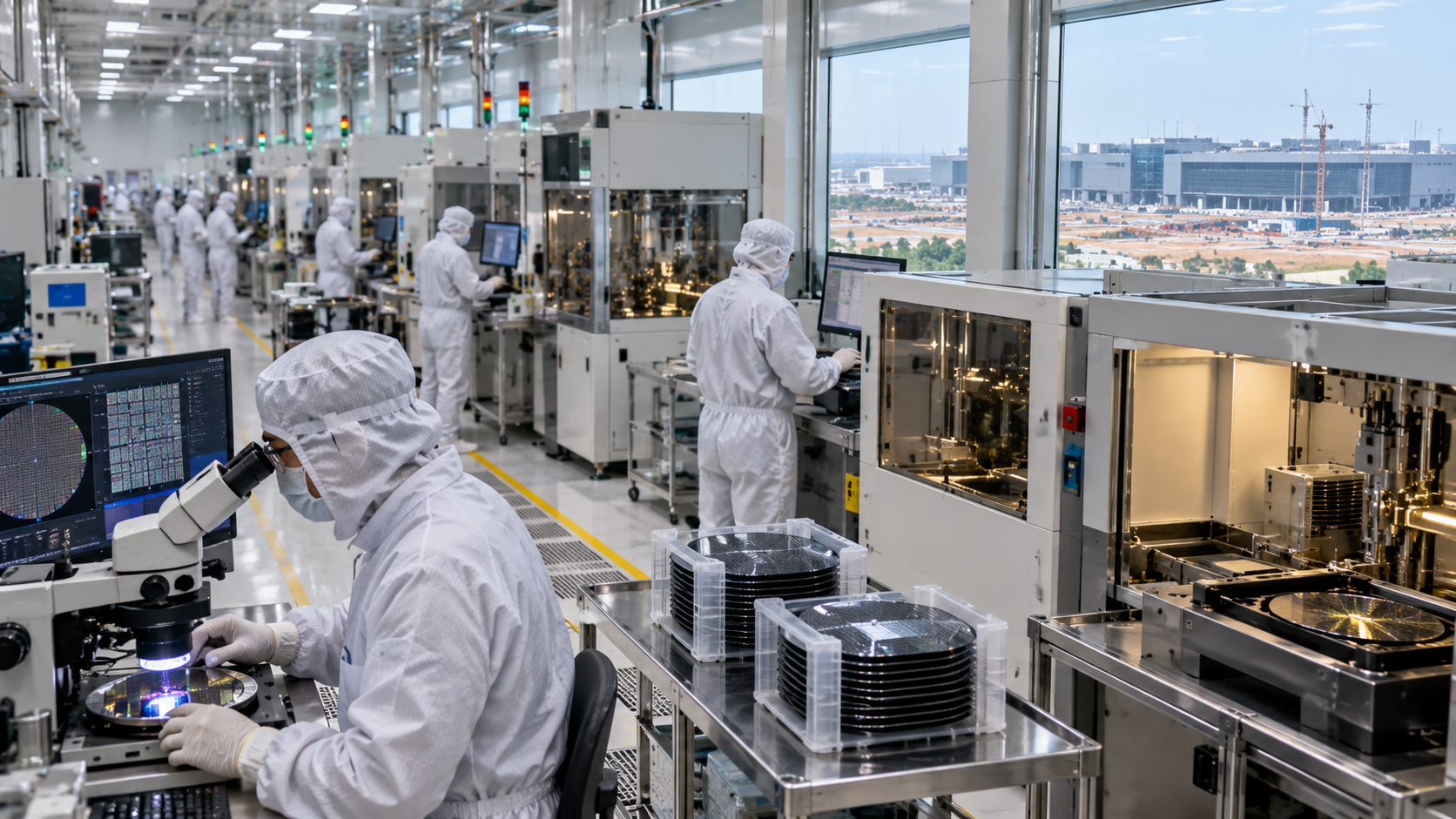
Proposal aims to attract more foreign investment and create jobs
Key Highlights
- Government reviewing downstream FDI regulations.
- Proposal under inter-ministerial consultation.
- Move aims to boost foreign investment.
- Focus on job creation and ease of doing business.
- Over 90% of FDI already comes through the automatic route.
- India attracted USD 843 billion in FDI during FY15-FY26.
- Reforms expected to strengthen India’s investment climate.
The Central Government is considering easing foreign direct investment (FDI) norms for downstream investments as part of its broader strategy to attract higher overseas capital and generate employment.
According to sources, the proposal is currently under inter-ministerial discussions and is aimed at making India’s investment framework more competitive and investor-friendly. If approved, the changes could simplify indirect foreign investments by eligible Indian companies into other domestic businesses.
Downstream investment refers to investments made by an Indian company with foreign ownership into another Indian entity through equity subscription or acquisition. The proposed relaxation is expected to improve investment flexibility and encourage global companies to expand operations in India.
The government has consistently liberalised India’s FDI policy over the past few years. Today, most sectors permit up to 100% foreign investment through the automatic route, with only a few strategically important sectors requiring prior government approval.
Officials said the government regularly reviews FDI regulations after consultations with industry stakeholders to ensure India remains an attractive destination for global investors.
India has received cumulative FDI inflows of USD 843 billion between FY2014-15 and FY2025-26, representing a 169% increase compared to the previous 12-year period. More than 90% of total FDI currently enters the country through the automatic approval route.
Industry experts believe the proposed changes could further strengthen investor confidence, improve ease of doing business, and support growth across manufacturing, infrastructure, startups, and services. The government is yet to announce a timeline for implementing the revised norms.