Key Highlights
- Finance Ministry warns of fresh inflation risks.
- Rising petrol, diesel, and LPG prices increasing household expenses.
- Weak rupee making imports costlier.
- Below-normal monsoon could trigger food inflation.
- Wholesale inflation jumps to 8.3%, highest in over 3 years.
- RBI monetary policy decision due on June 5, 2026.
- Iran conflict and oil supply concerns remain major risks.
- Strait of Hormuz disruptions could significantly impact India’s economy.
India may face renewed inflationary pressures in the coming months as rising fuel prices, a weakening rupee, and concerns over a below-normal monsoon create fresh challenges for households and businesses. In its latest monthly economic review, the Finance Ministry’s Department of Economic Affairs cautioned that policymakers must remain vigilant as multiple risk factors converge at the same time.
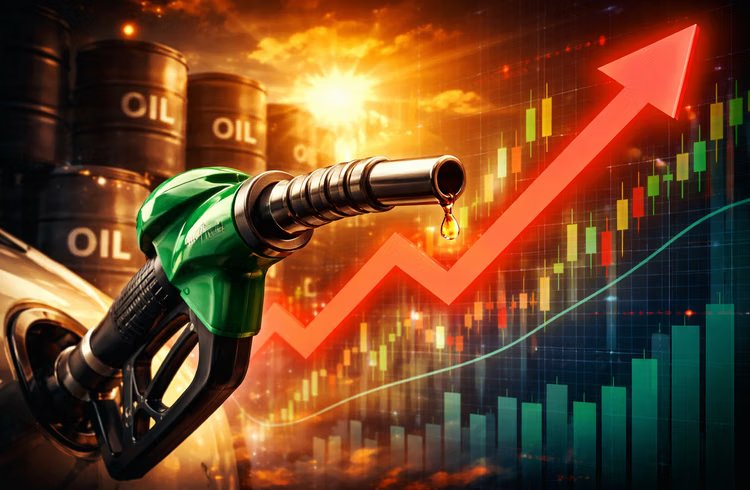
The ministry noted that while India’s economy continues to show resilience and domestic demand remains relatively stable, external developments are increasing pressure on prices. The ongoing geopolitical tensions linked to the Iran conflict have pushed global crude oil prices higher, leading to increases in petrol, diesel, and cooking gas prices across the country. A weaker rupee has further amplified the impact by making imports more expensive.
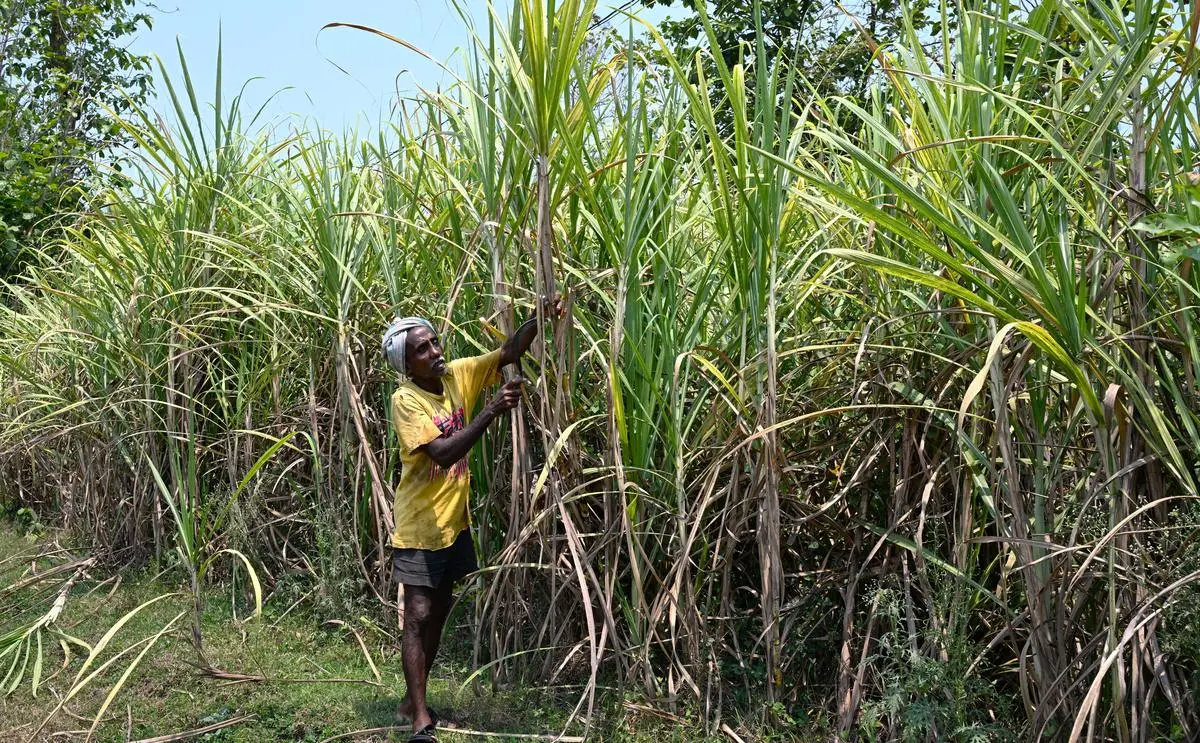
Adding to these concerns is the possibility of below-normal monsoon rainfall. Agriculture remains highly dependent on monsoon performance, and any significant rainfall deficit could affect crop production, increase food prices, and weaken rural consumption. Economists warn that food inflation could become a major concern if rainfall remains below expectations during the crucial sowing season.
The warning comes just ahead of the upcoming monetary policy decision by the Reserve Bank of India (RBI). Although retail inflation remained below the RBI’s 4% target in April, wholesale inflation surged sharply. The Wholesale Price Index (WPI) rose 8.3% year-on-year, its highest level in more than three years, indicating rising production costs for manufacturers. Analysts believe businesses may gradually pass these higher costs on to consumers, resulting in increased prices for everyday goods and services.
The Finance Ministry also highlighted the strategic importance of the Strait of Hormuz, describing any disruption there as one of the biggest risks to India’s economic outlook. Since a significant portion of India’s crude oil imports pass through this route, prolonged instability could further elevate fuel costs and inflationary pressures. The government emphasized the need for a flexible policy approach involving monetary, fiscal, and structural measures to balance inflation control with long-term economic growth.
Why It Matters
- Higher fuel prices may increase transportation and logistics costs.
- Food prices could rise if monsoon rainfall remains weak.
- Household budgets may face pressure from rising living costs.
- Businesses could pass higher production costs to consumers.
- RBI may adopt a more cautious stance on interest rates and monetary policy.
Key Numbers
- Wholesale Inflation (WPI): 8.3% YoY
- Retail Inflation (CPI): Below RBI’s 4% target in April
- Rupee: Near record lows against the US dollar
- RBI Policy Announcement: June 5, 2026