Minister says agencies have undervalued India’s growth story.
Key Highlights
- Piyush Goyal said Moody’s, Fitch and S&P had been unfair in their assessment of India.
- He argued that the agencies had not fully recognised India’s growth and strong economic fundamentals.
- Goyal praised CareEdge for what he described as an objective sovereign-rating assessment.
- He said some economies with weaker fundamentals had received better ratings than India.
- The minister called for greater transparency and objectivity in rating methodologies.
- He urged banks, authorities and rating agencies to hold an open discussion on the issue.
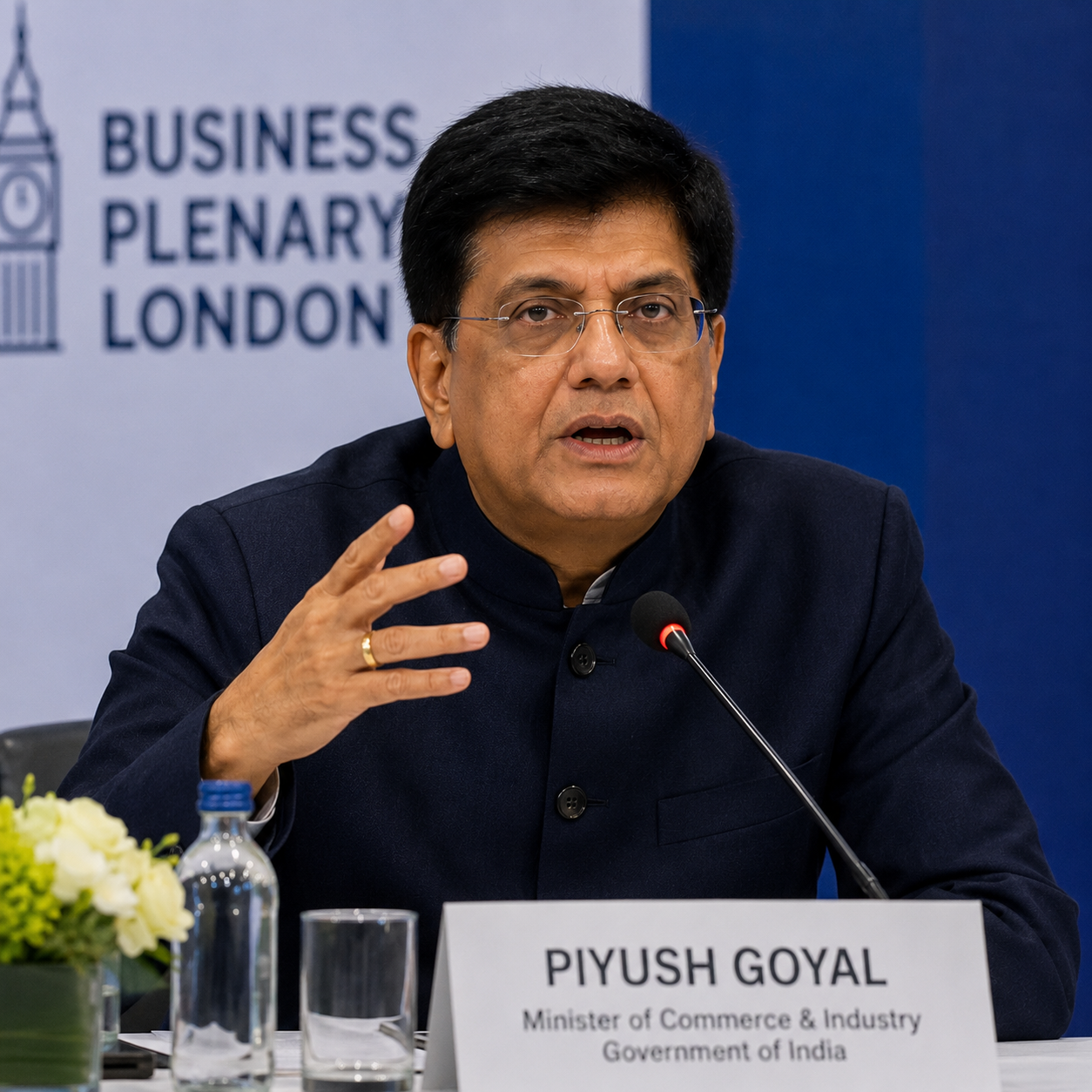
London, June 26, 2026: Commerce and Industry Minister Piyush Goyal has criticised leading global credit-rating agencies for failing to adequately recognise India’s economic growth, strong fundamentals and sovereign capabilities.
Speaking at a business plenary session in London, Goyal said agencies including Moody’s, Fitch Ratings and S&P Global Ratings had been “unfair to India” in their assessments.
He argued that India’s economic potential, long-term growth prospects and capacity to meet its financial commitments had not been fully reflected in the country’s sovereign ratings.
CareEdge Assessment Praised
Goyal praised Indian rating agency CareEdge for what he described as an objective assessment of India’s economic fundamentals.
He placed on record his appreciation for the agency and its team, saying its evaluation had more accurately captured the country’s growth story and sovereign capabilities.
The minister clarified that he was not alleging improper motives on the part of international rating agencies. However, he expressed surprise at how India had been rated compared with some other economies.
Questions Ratings of Weaker Economies
Goyal said several countries with weaker fundamentals and limited future growth prospects had received better sovereign ratings than India from global agencies.
According to him, such differences raise questions about the transparency, consistency and objectivity of existing sovereign-rating methodologies.
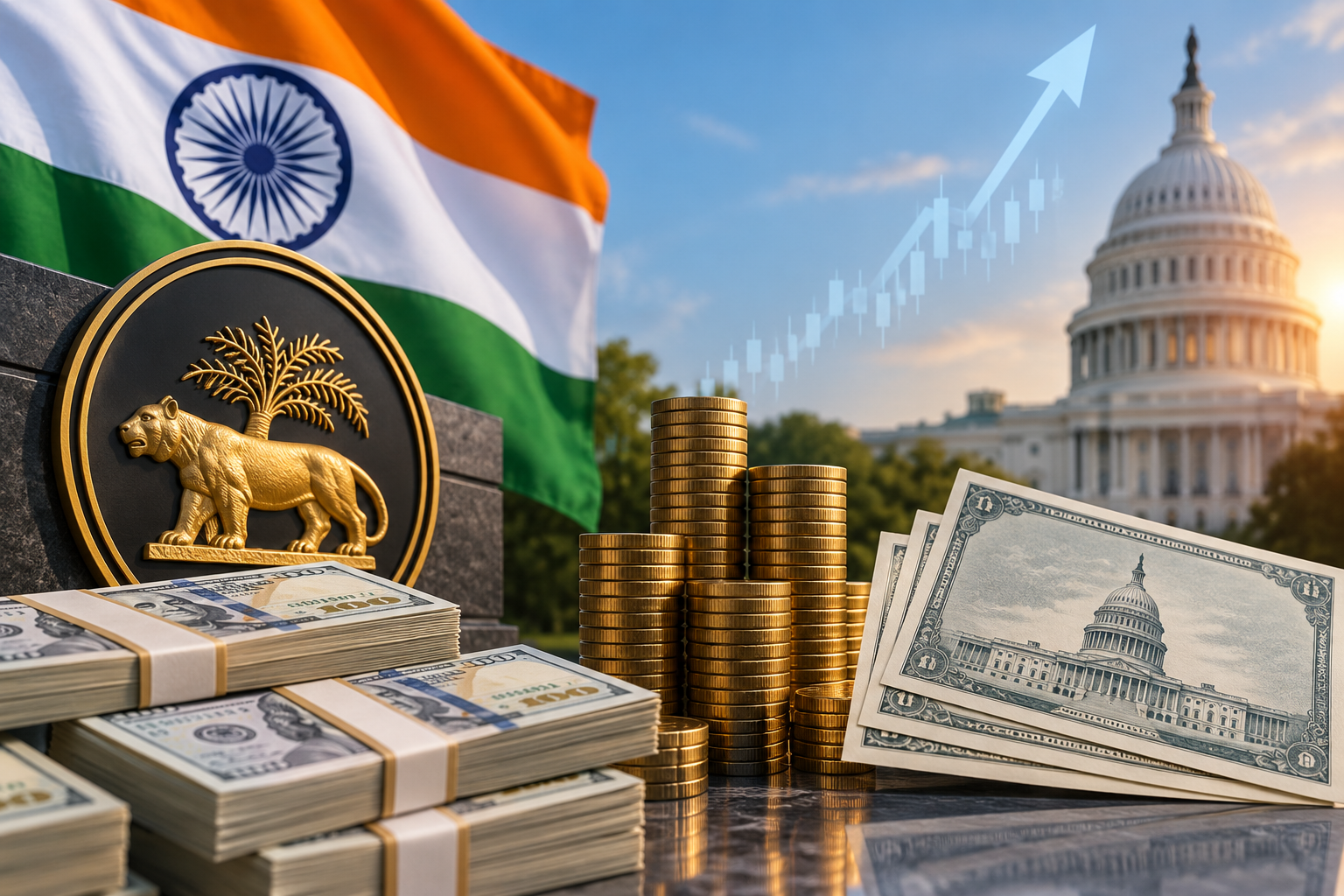
Sovereign ratings influence a country’s borrowing costs and can affect the investment decisions of global funds, banks and financial institutions.
A stronger rating generally enables governments and companies to raise money internationally at lower interest rates, while a weaker rating may increase borrowing costs.
Calls for Open Debate
Goyal urged financial institutions, regulators and rating agencies to engage in wider discussions about the methods used to assess sovereign creditworthiness.
Addressing representatives of financial institutions, including HSBC, he suggested that Moody’s, Fitch and S&P should participate in an open debate to explain and defend their assessments.
He said greater deliberation could help improve confidence in the global rating system and encourage more consistent treatment of emerging economies.
India’s Growth Story
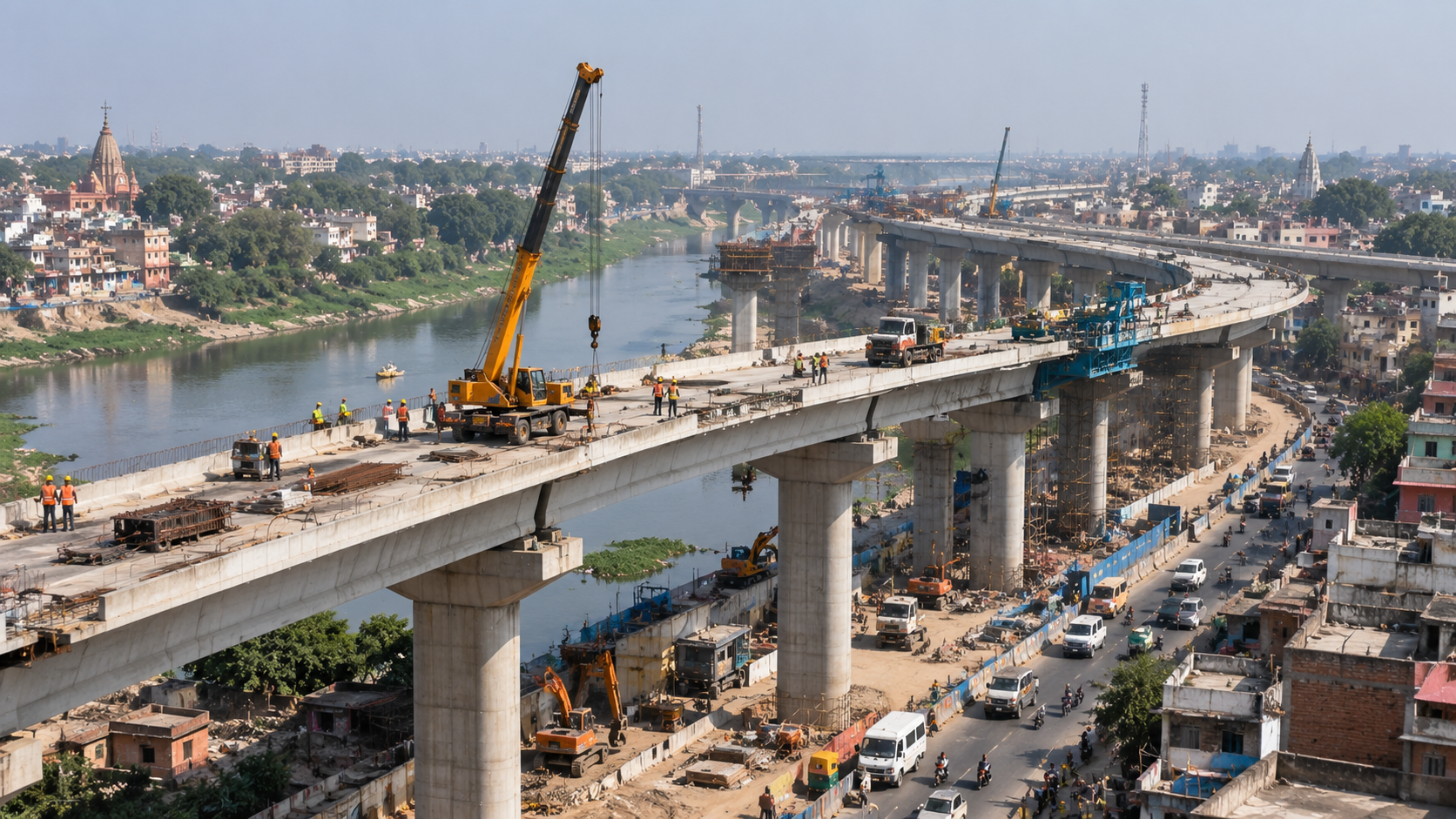
India has remained among the world’s fastest-growing major economies, supported by domestic consumption, public infrastructure investment, expanding digital services and manufacturing growth.
Goyal argued that these strengths, along with India’s long-term economic prospects, should receive greater weight in sovereign assessments.
He also called for support for Indian efforts aimed at bringing more objectivity into the global credit-rating ecosystem.
The remarks have renewed debate over whether international rating agencies adequately account for the growth potential and structural strengths of emerging economies such as India.